Your House Smells Like Nothing (And That’s the Problem) | How To Make Your House Smell Good

Most homes have zero scent identity. People burn one candle in the living room and assume that covers it. The rest of the house smells like whatever was last cooked, last cleaned, or whatever the dog tracked in.
Scent is part of design. It’s the part you can’t see, which is exactly why it works. A house with an intentional scent feels more put-together than a house without, even if the furniture is identical.
This is the system, and my guide for how to make your house smell good!
For more ways to improve your space, check out 5 Ways Your Home Can Make You Feel Better and How To Make A Room Look Expensive.
how to make your house smell good
Why Your Nose Stops Working
Your olfactory system adapts to scent within about 20 minutes. That candle you can’t smell anymore is still doing its job. Your guests can smell it. You can’t.
This is called olfactory fatigue, and it’s why your house probably smells more like itself than you think. To test: leave for an hour, come back, and pay attention to the first breath you take when you walk in. That’s what your house smells like.
If it smells like nothing, that’s a design gap.
How to make your house smell good
The Three-Zone System
Single-candle thinking is the problem. A house has different rooms doing different things, and they need different scent profiles. Here’s the layered system that works.

How to make your house smell good
Zone 1: The Entryway. Base Note.
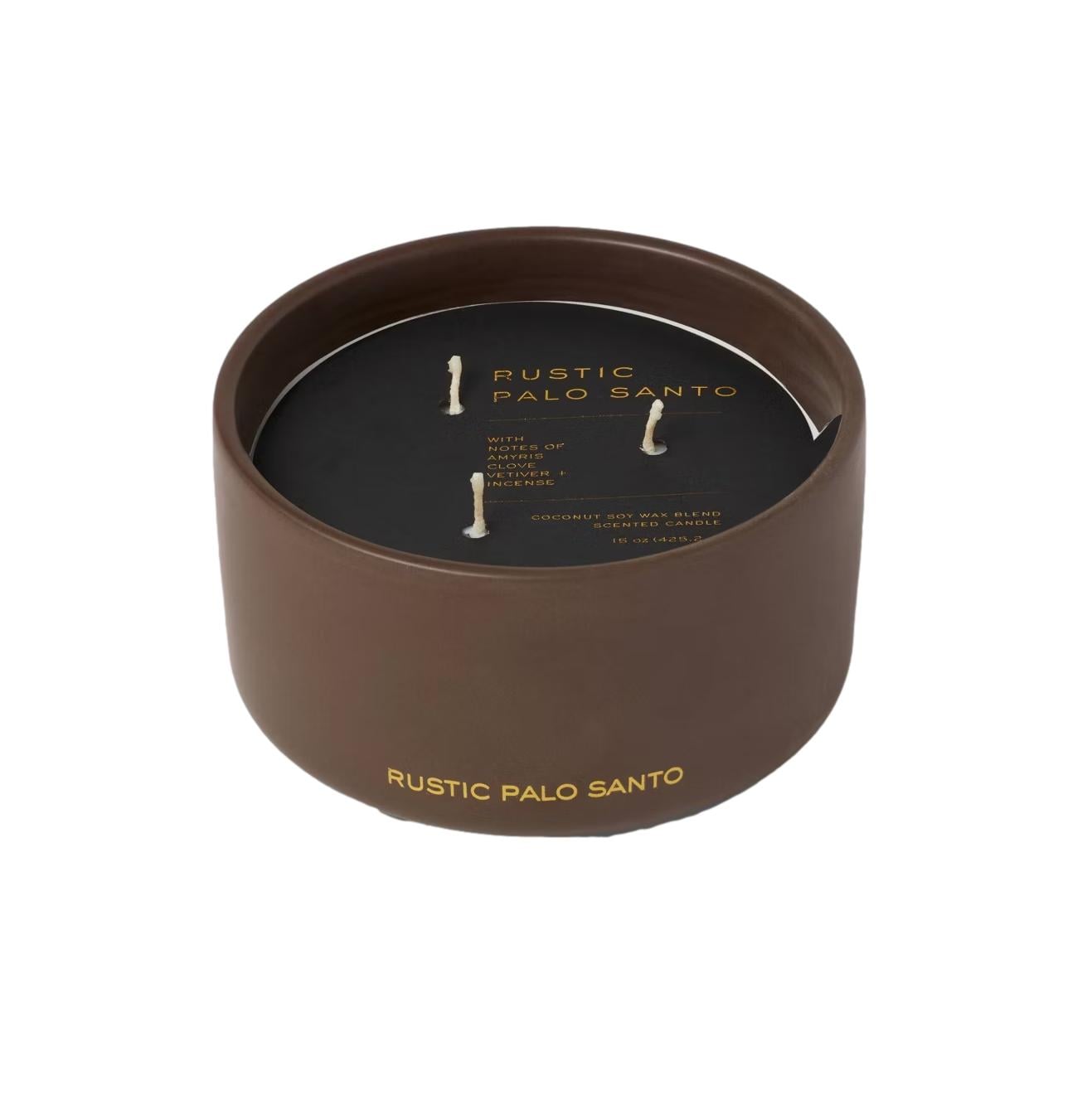
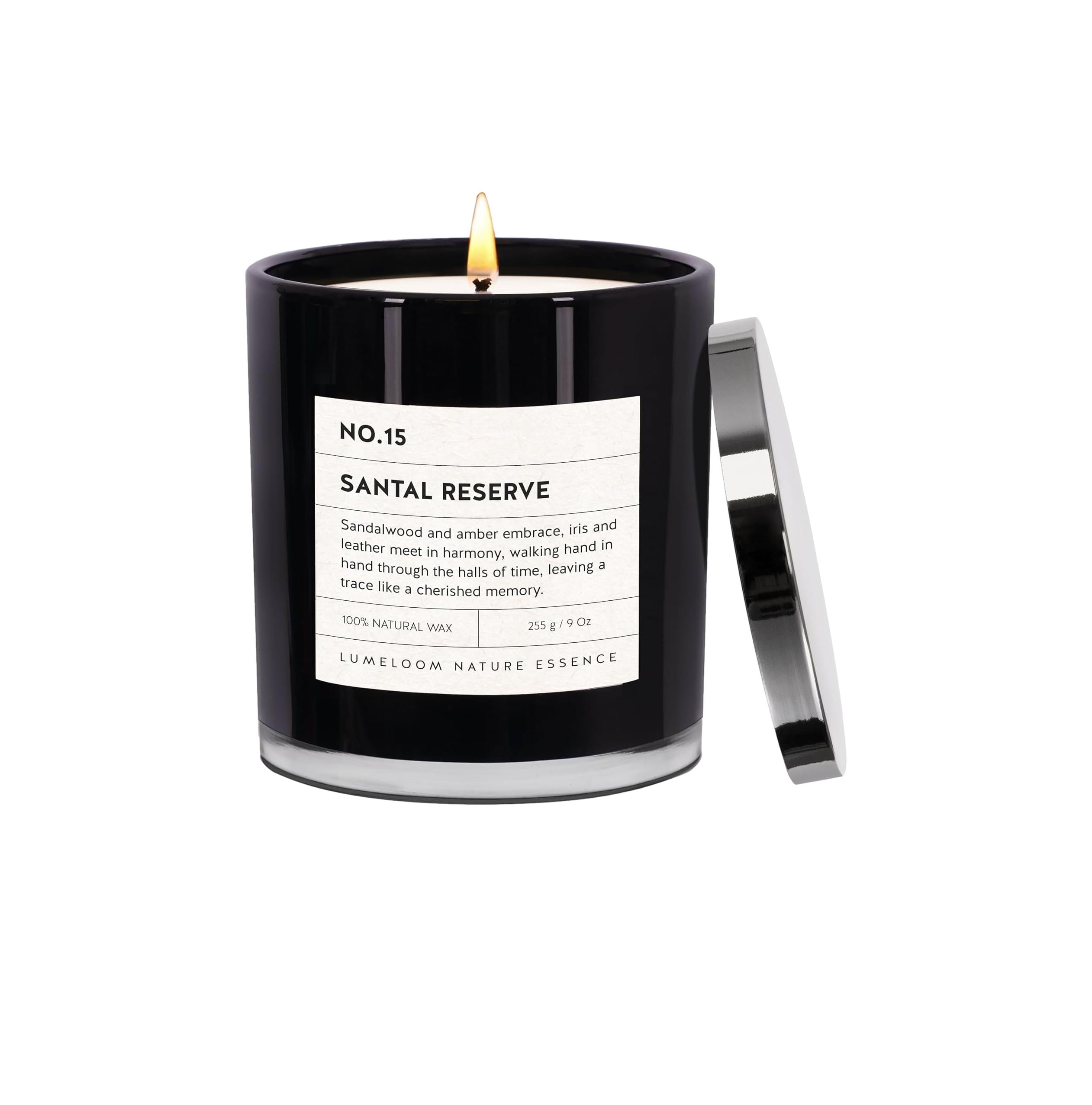
This is the first thing a guest experiences. It sets the tone for the whole house. You want something warm and grounding. Cedar, sandalwood, vetiver, smoked oud. Not floral, not citrus. Something that says “you’re inside now.”
A reed diffuser works well here because you don’t have to remember to light it. The scent is always on.

How to make your house smell good
Zone 2: The Living Areas. Mid Note.
This is where you spend most of your time. The scent should be present but not loud. Fig, tomato leaf, green tea, white flowers, light citrus. Something fresh enough to layer over the food smells from your kitchen.
A candle that you actually light, plus a backup unlit candle for visual continuity. The lit candle creates the active scent. The unlit one keeps the scent layer going passively.

How to make your house smell good
Zone 3: The Bedroom. Accent Note.
The bedroom needs a different scent than the rest of the house. This is the room you sleep in, so anything too loud or stimulating will keep you up. Lavender works but is overused. Other options: chamomile, soft amber, sandalwood blended with something cool like cucumber or mint.
A small linen spray on the pillow is more useful than a candle in this room, because the scent stays close to your head and you don’t have to remember to blow it out before sleep.


How to make your house smell good
Summer-Specific Considerations
Windows open more. Cross-breezes mean your indoor scent gets blown around. Heat amplifies certain notes (florals get heavier, citrus gets brighter, anything heavy like patchouli or amber becomes overwhelming).
Adjust seasonally. The cedar-and-amber candle that worked beautifully in February will feel suffocating in July. Switch to lighter florals, herbs, and citrus through the warm months.
A small bowl of lemons on the kitchen counter does more than people think. So does a few sprigs of mint or rosemary in a glass of water on a windowsill, where the breeze catches it.
How to make your house smell good
The Common Mistakes
Too many scents at once. A vanilla candle in one room, a sandalwood diffuser in the next, eucalyptus in the bathroom, and a lavender spray in the bedroom. Your house smells like a department store fragrance counter.
Stick to a scent family across zones. Wood-and-amber throughout, or floral-and-fresh throughout. Not both.
Cheap synthetic scents. A cheap candle smells like itself for ten minutes and then smells like burning paraffin. Better to have one good candle than five bad ones.
Forgetting the kitchen. The kitchen is where the loudest unwanted scents come from. Wipe surfaces with citrus cleaner. Take the trash out before bed. A bowl of coffee beans absorbs ambient smell. A simmer pot on the stove (water, orange peels, cinnamon stick) is old-school and works.
Air freshener spray. Almost always wrong. Smells like air freshener, not like a home.