How to Adjust to Daylight Saving Time Ending (Your Easy Guide to Falling Back)

Photo: Sara Ligorria Tramp
If you’re feeling a little off today, you’re not imagining it. Daylight saving time ended yesterday, and even though we gained an hour, your body clock doesn’t switch over as quickly as your phone does. The good news is that falling back is the easier time change, and most people feel normal again within a few days.
Here’s how to adjust to daylight saving time ending, the sleep tips experts agree on, plus a few ways to set up your home so the earlier sunsets feel cozy instead of gloomy.
For more wellness tips, check out The 10-Step Daily Wellness Routine That Actually Sticks and The Best Bedroom Design Tips for Better Sleep.

Photo: Kara Mercer
how to adjust to Daylight Saving Time Ending
Get Morning Light Today
If there’s one tip every sleep expert agrees on, it’s morning light. Light is the strongest signal your body uses to set its internal clock, so get outside soon after you wake up, today and for the rest of the week. It doesn’t have to be bright, direct sun, and even an overcast morning helps. Take your coffee out to the porch, walk the dog, or sit next to a window.
how to adjust to Daylight Saving Time Ending
Keep Your Schedule Consistent
The fastest way to adjust is to go to bed and wake up at the same clock times you did before the change, even though it will feel an hour earlier at first. That includes this weekend, so resist the urge to sleep way in. A calming wind-down routine helps, whether that’s a bath, a book, or quiet music.
A few other habits that make a difference this week:
- Go easy on alcohol and caffeine, since both can disrupt your sleep while your body is adjusting.
- Keep naps short. If you need one, aim for 20 to 30 minutes so it doesn’t push back bedtime.
- Put screens away an hour before bed when you can
how to adjust to Daylight Saving Time Ending
If You’re Waking Up Too Early
It’s common to wake up an hour earlier than you’d like this week, because your body still thinks it’s the old time. Forcing yourself back to sleep usually doesn’t work. Instead, get up, keep the lights low, and do something quiet, then get outside for morning light once the sun is up. Within a few days, your body will catch up.

Photo: Kara Mercer
how to adjust to Daylight Saving Time Ending
Set Your Bedroom Up For Better Sleep
This is where my design brain kicks in. Sleep tends to be a little lighter right after a time change, so small disruptions can wake you up more easily. A few simple fixes go a long way:
Block the light. Blackout curtains or a good sleep mask keep early sunrise from waking you up. If you’re choosing curtains, hang them high and wide so they cover the whole window.
Add white noise. A sound machine or a quiet fan can mask the little noises that might wake you.
Use warm, low light in the evening. Swap bright bulbs for warm ones and use lamps instead of overhead lighting, which tells your body it’s time to wind down. I
If you need help choosing the right lamp, check out How To Find The Right Bedside Lamp, and see my tips for How To Fall Asleep Faster.
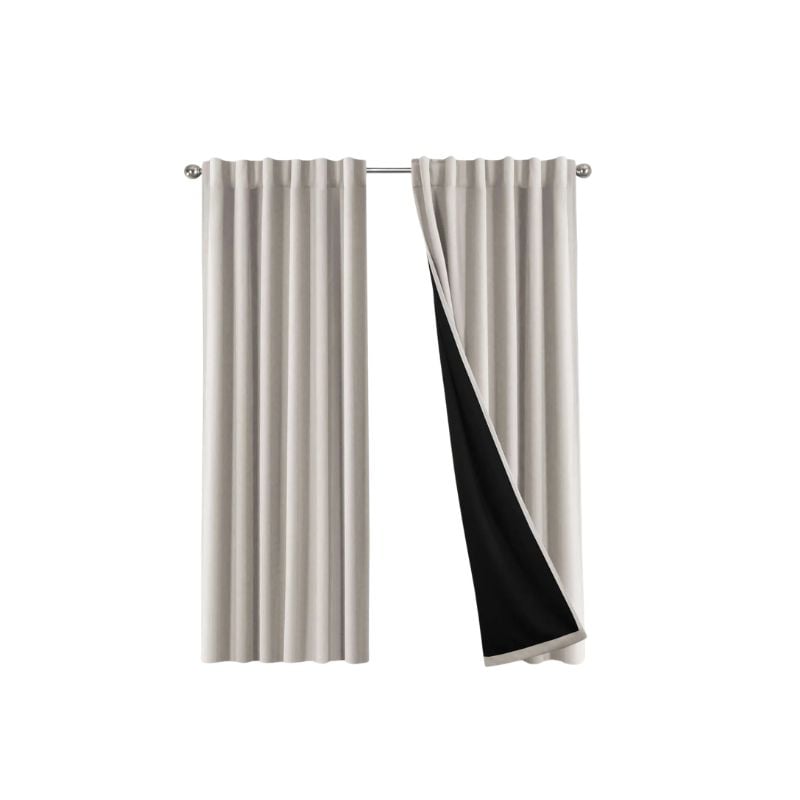
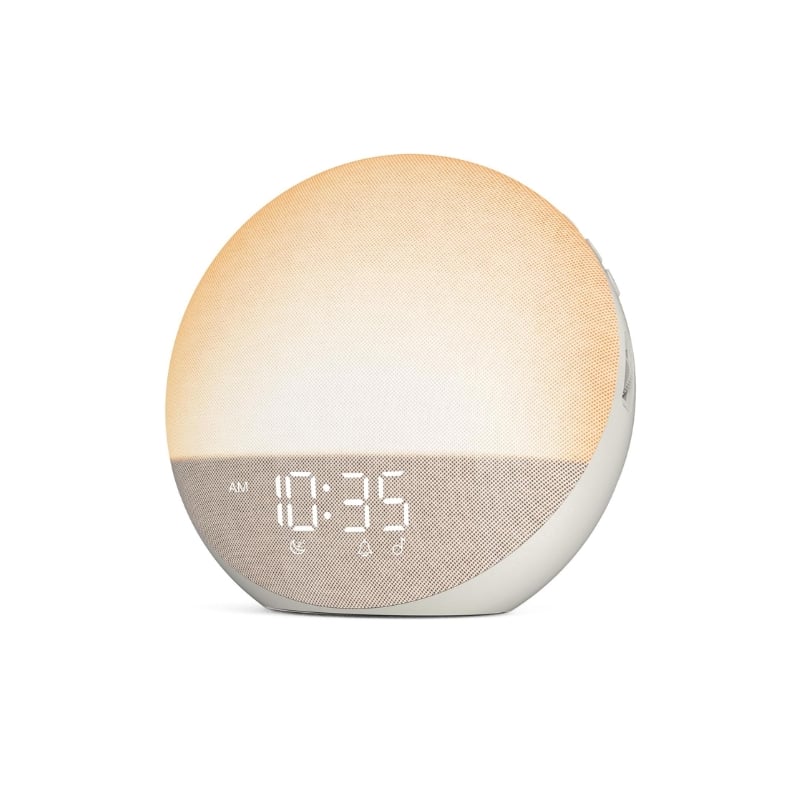


Photo: Sara Ligorria Tramp
how to adjust to Daylight Saving Time Ending
Make The Earlier Sunsets Feel Cozy
The sun is setting about an hour earlier on the clock now, and for a lot of people, the darker evenings are the hardest part of the change. Instead of fighting it, lean into it. Light a candle, turn on a few lamps instead of the overhead, and layer a throw blanket over the sofa. Warm lighting and soft textures make a home feel like a retreat, and a little evening ritual helps your body ease into the night.
how to adjust to Daylight Saving Time Ending
Double-Check Your Clocks
Your phone, laptop, and most smart devices updated on their own, but plenty of things didn’t. If you haven’t already, set back the clocks on your:
- Oven and microwave
- Car dashboard
- Wall clocks and bedside alarm clocks
- Watches
- Any other clock that doesn’t update automatically
how to adjust to Daylight Saving Time Ending
Frequently Asked Questions
When did daylight saving time end in 2026?
It ended on Sunday, November 1, at 2 a.m. local time, when clocks turned back to 1 a.m. We’re now on standard time, so sunrise and sunset both happen about an hour earlier on the clock.
Why do I feel off if we gained an hour?
Your body clock doesn’t change when your phone does. Even a one-hour shift can throw off your sleep, mood, and energy for a few days, and the earlier darkness in the evening can add to the feeling.
How long does it take to adjust?
Most people adjust within a few days, and sleep experts typically say three to seven. Getting morning light and keeping a regular sleep schedule helps you adjust faster.
Is falling back really easier than springing forward?
Yes. Our internal clocks tend to run a bit longer than 24 hours, so moving the clock back is more natural for the body than moving it forward.
What should I do if I wake up an hour early?
Don’t force yourself to sleep. Get up, keep the lights low, and do something quiet, then head outside for morning light once the sun is up. Keep your regular bedtime at night so your body can catch up.
Can I nap this week?
A short nap of 20 to 30 minutes is fine and can help you recharge, but longer naps can make it harder to fall asleep at night.
How do I help kids adjust?
Keep their routines, like bath, books, and lights out, as consistent as possible, and expect early wake-ups for a few days. If you want to ease them in, move bedtime and wake time later in small steps. If your child is struggling with sleep for more than a week or so, check in with your pediatrician.
Why does it get dark so early now?
Standard time moves sunset about an hour earlier on the clock, so evenings feel darker. Warm lamps, candles, and dimmable lighting can make the earlier darkness feel cozy instead of heavy.
Does everywhere change the clocks?
No. Most of the U.S. does, but Arizona (with the exception of the Navajo Nation) and Hawaii stay on standard time year-round.
When is the next time change?
Clocks spring forward one hour on Sunday, March 14, 2027, when daylight saving time returns.
Will we stop changing the clocks?
Not yet. There have been proposals in Congress to make daylight saving time permanent, but for now the clocks still change twice a year.