How To Light Your Home: The Right (And Wrong) Ways

Photo: Kara Mercer
Lighting is the thing I’d fix first in almost any room I walk into. You can have beautiful furniture, a great paint color, and a perfectly styled shelf, and a room still falls flat if it’s lit badly. The reverse is also true. A modest room with great lighting feels warm, expensive, and inviting, even when nothing in it costs much.
The good news is that most lighting mistakes come down to a handful of habits. Here is how to light your home, with examples of the right and wrong way to do it.
For more lighting tips, check out: My Complete Guide To Hanging Lighting, Best Lighting for Mental Health at Home, and Rental-Friendly Apartment Lighting Ideas.
How To Light Your Home
Wrong: Relying On One Overhead Light
This is the biggest one. A single ceiling fixture, or a grid of recessed cans, floods a room with flat light from above. It casts harsh shadows, makes everyone look tired, and gives you zero control over mood.
Right: Layer Three Types Of Light
Every room I design uses three layers. Ambient light fills the room, like a ceiling fixture or a floor lamp bouncing light off the ceiling. Accent light adds depth and mood, like table lamps, sconces, or a picture light. Task light helps you do something specific, like a reading lamp or under-cabinet lighting in the kitchen. When all three work together, a room has depth, and you can dial it up or down depending on what you’re doing.

Photo: Kara Mercer
How To Light Your Home
Wrong: Choosing A Fixture That’s Too Small
A tiny chandelier in a big room looks like an afterthought. It’s one of the most common mistakes I see, because people tend to buy for the size they imagine instead of measuring.
Right: Size It To The Room And The Table
For a room smaller than about 10 x 10 feet, a chandelier around 17 to 20 inches wide works well. For a room around 12 x 12 feet, I’d go closer to 22 to 27 inches. Over a table, match the shape of the fixture to the shape of the table, round over round and linear over rectangular, and keep it centered. If your ceiling junction box isn’t in the right spot, swagging the fixture with a hook is an easy fix.
How To Light Your Home
Wrong: Using Cool, Blue-Toned Bulbs
A bulb that’s too cool can make a living room feel like a dentist’s office. It’s one of the fastest ways to make an otherwise cozy space feel cold.
Right: Choose Warm White Bulbs
For living rooms, bedrooms, and dining rooms, I reach for warm white bulbs, which are usually labeled around 2700K to 3000K on the box. That soft, golden tone flatters skin, wood, and fabric. Save cooler, brighter bulbs for spaces like a garage or a laundry room, where you want crisp visibility over atmosphere. And keep the color temperature consistent within a room so your bulbs don’t clash.
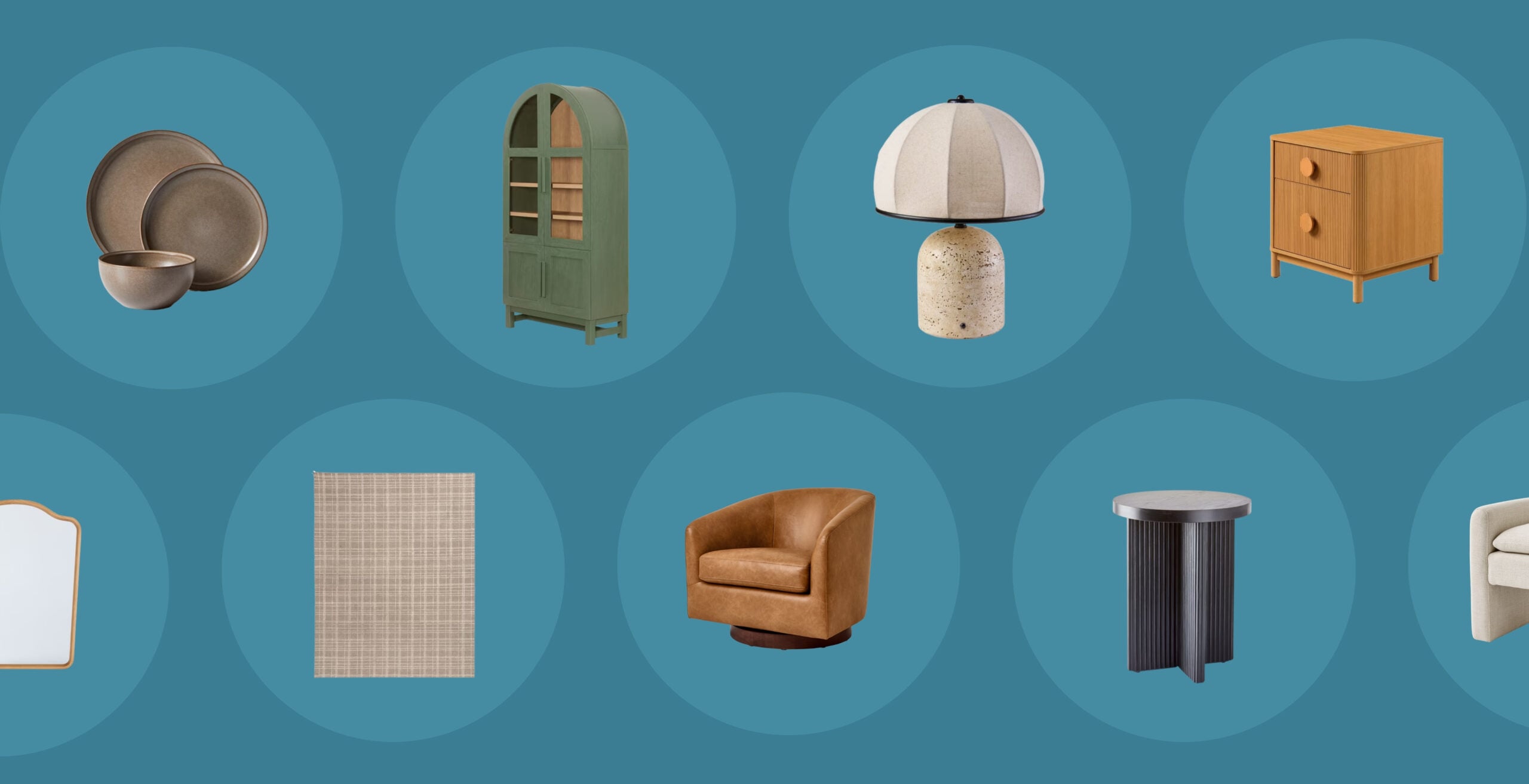
Shop My Favorite Lighting

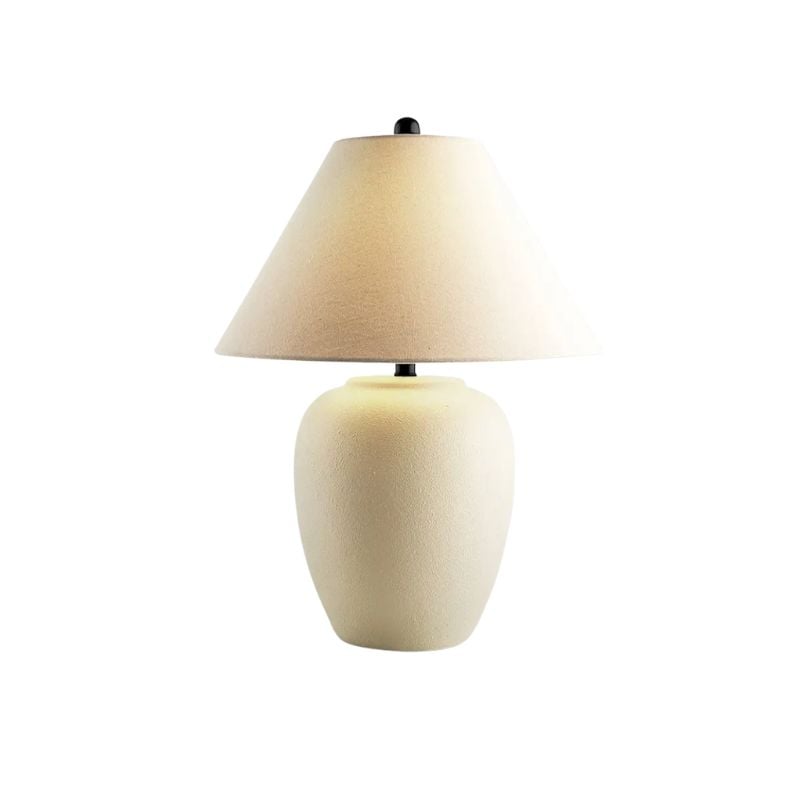
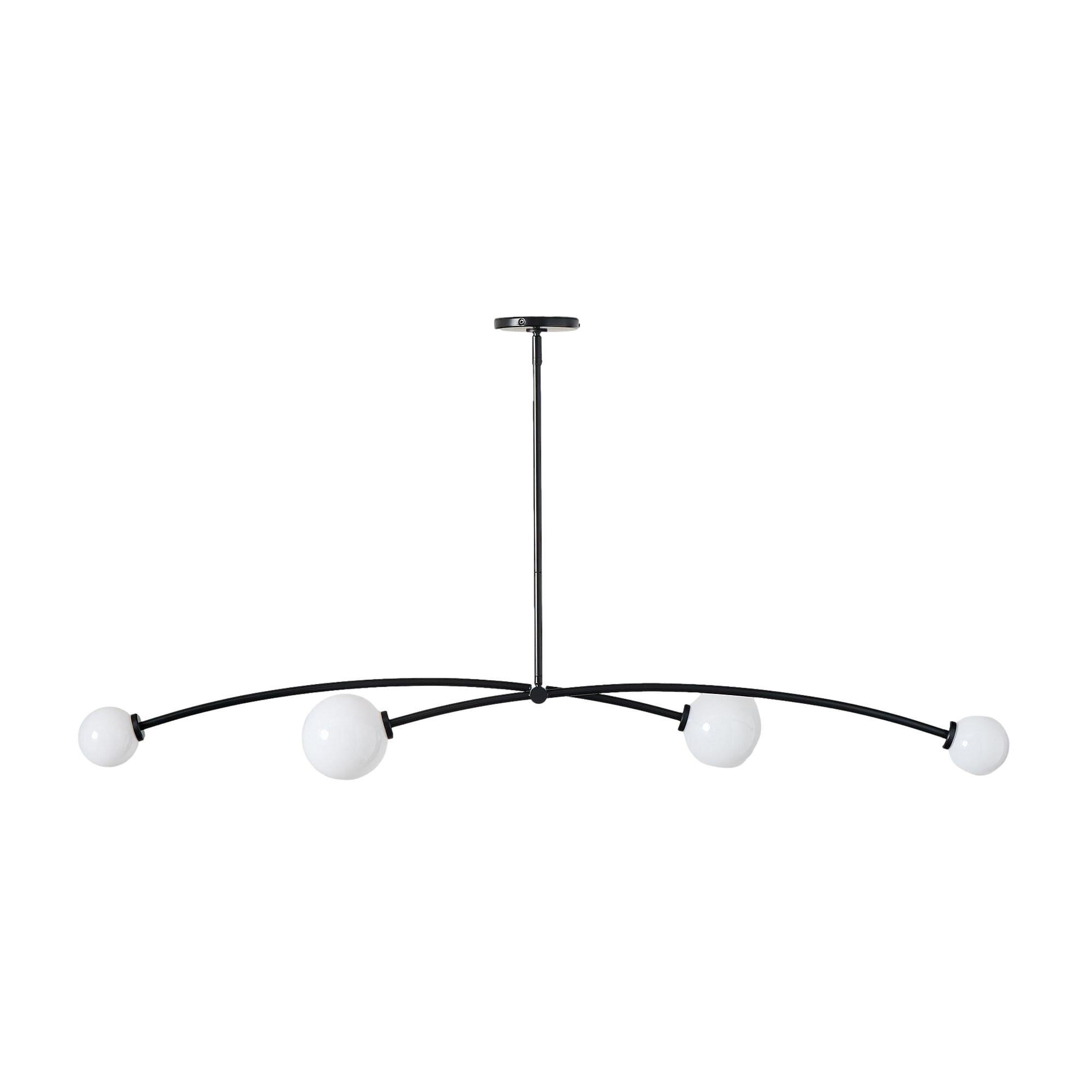
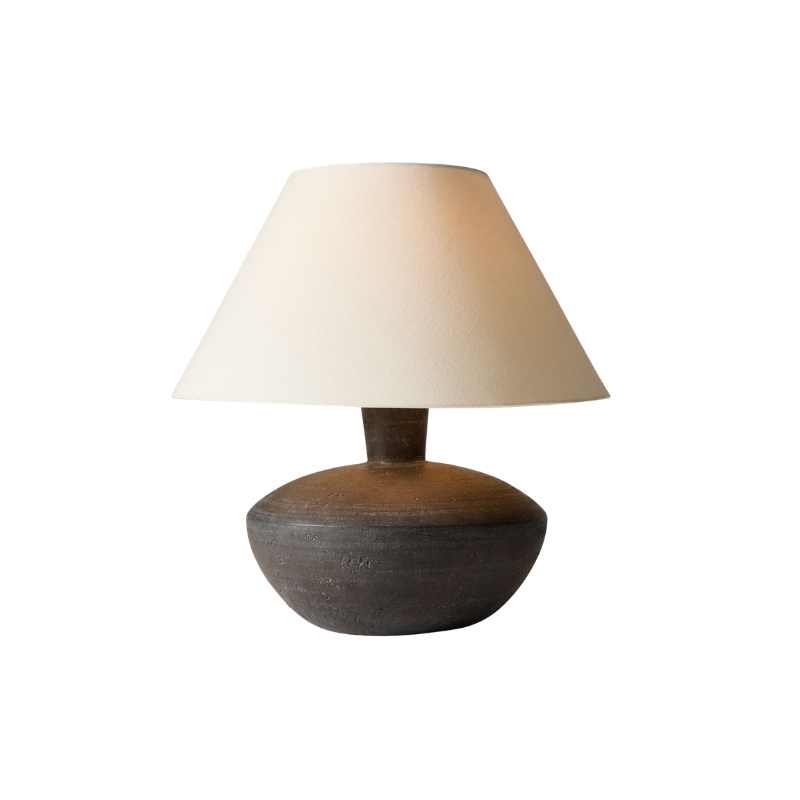

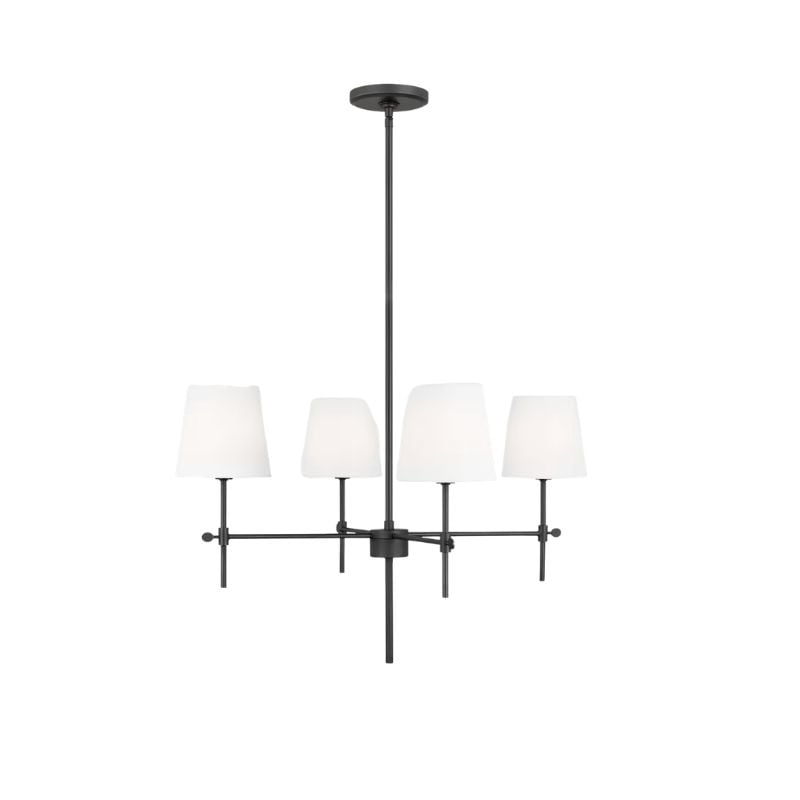


Photo: Kara Mercer
How To Light Your Home
Wrong: Hanging Fixtures Too High Or Low
A chandelier hung too high looks like it’s floating away from the table. One hung too low blocks sightlines or invites a bumped head.
Right: Follow The Height Rules
Over a kitchen island or dining table, I leave about 30 to 36 inches between the bottom of the fixture and the surface. In a living room or entryway where people walk underneath, you want at least 7 feet of clearance, and if your ceiling is taller than 8 feet, add about 3 inches of hanging height for every extra foot.
For a more detailed breakdown, check out The Complete Guide To Hanging Lighting.
How To Light Your Home
Wrong: Skipping The Dimmer
Bright is great when you’re cleaning or cooking, but it’s the enemy of an evening on the couch. Without a dimmer, you only have two settings: on and off.
Right: Put Everything You Can On A Dimmer
A dimmer is one of the cheapest, highest-impact upgrades you can make. Put your overhead lights and chandeliers on dimmers first, especially in dining rooms, living rooms, and bedrooms. Being able to take the light down at night changes how a room feels more than almost any decor purchase will.

Photo: Sara Ligorria Tramp
How To Light Your Home
Wrong: Putting Lamps At The Wrong Scale
A lamp that’s too tall shines straight into your eyes at bedtime. One that’s too short disappears next to a stack of books.
Right: Match Lamp Height To The Surface
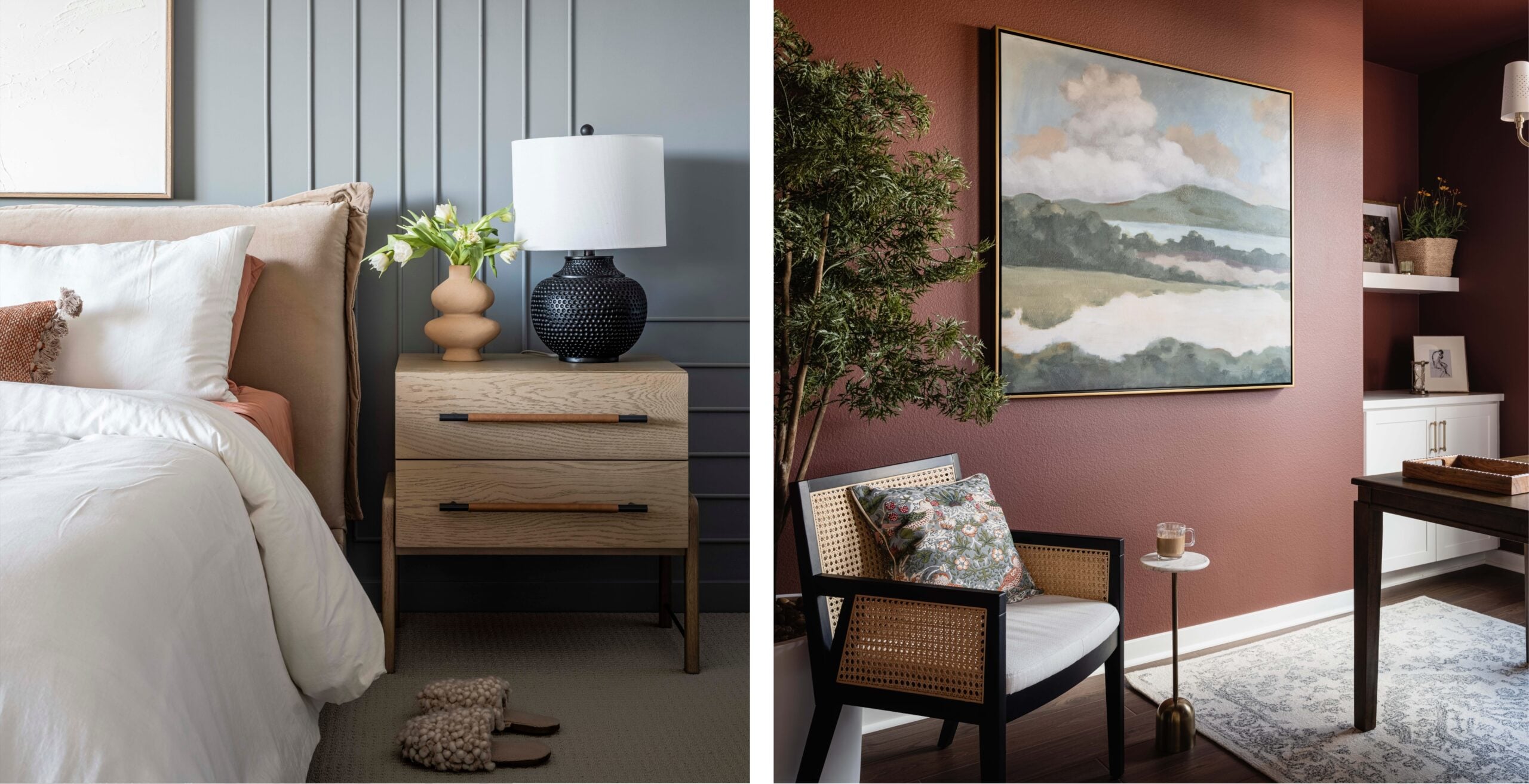
For a bedside lamp, I aim for roughly 22 to 27 inches tall, or about 2 inches taller than the nightstand. If you’re short on surface space, a wall sconce is a great alternative, and it frees up the whole nightstand.
For more detail, read How To Choose The Right Bedside Lamp.
How To Light Your Home
Wrong: Forgetting About Task Lighting
Trying to chop vegetables, apply makeup, or read in a dimly lit corner is frustrating, and it strains your eyes.
Right: Light The Places You Actually Work
Add under-cabinet lighting in the kitchen so your counters aren’t in your own shadow. Put a good light on either side of a bathroom mirror instead of one above it, since side lighting is more flattering and even. In a home office, a desk lamp with an adjustable arm keeps your workspace bright without lighting the whole room.
How To Light Your Home
Frequently Asked Questions
How many light sources should a room have?
There’s no magic number, but I aim for at least three sources in most rooms, spread across different heights and covering ambient, accent, and task lighting. A small bedroom might do it with a ceiling fixture and two lamps, while a large living room might need more.
What color temperature is best for a home?
For most living spaces, warm white bulbs in the 2700K to 3000K range feel the most inviting. Cooler bulbs can work in utility spaces like garages or laundry rooms where function matters more than mood.
Do I really need a dimmer?
I think it’s one of the best upgrades you can make. Just make sure your bulbs are labeled dimmable and compatible with your dimmer switch, since mismatched bulbs can flicker or buzz.
How high should I hang a chandelier over a dining table?
Leave about 30 to 36 inches between the bottom of the fixture and the tabletop. For a living room or entryway, give yourself at least 7 feet of clearance underneath.
Are recessed lights bad?
Not at all, they’re a useful tool for ambient light. The mistake is making them your only source of light. I always pair them with lamps or sconces so the room has warmth and depth.
What’s the easiest way to improve my lighting without a renovation?
Swap harsh bulbs for warm white ones, add a lamp or two at different heights, and put your overhead lights on dimmers. Those three changes make a surprising difference without touching a single wall.