
How to Propagate Plants From Cuttings (Step by Step)

Propagating plants from cuttings is one of the cheapest, most satisfying skills in plant care. You take a healthy plant you already own, snip a piece, set it up in water or soil, and a few weeks later, you have a second plant. Free, except for the patience.
Most people who try this fail because they pick the wrong plant, take the cutting incorrectly, or set it up in conditions where it can’t root. The fixes are simple. Here’s the version that works and how to propagate plants from cuttings.
And be sure to check out all our other posts on going green: Best Air-Purifying Plants That Actually Work (and Are Hard to Kill), and The 9 Easiest House Plants To Take Care Of.
How to Propagate Plants From Cuttings
Which Plants Propagate Easily?
Some plants want to be propagated. They throw roots from a stem in water within a week. Others resist the process for months. Start with the willing ones.
The easy ones: pothos, philodendron, monstera, tradescantia, spider plant, snake plant (slow but reliable), Chinese money plant, string of pearls, jade.
The harder ones: fiddle leaf fig (possible, slow, requires patience), rubber plant (similar), most succulents from leaves (works but takes months).
The almost impossible: orchids, ferns, most palms. Skip these for now.
If you’re propagating for the first time, get a pothos cutting from a friend or buy a small one and propagate from it. It will root in water within two weeks, and you’ll be hooked.

How to Propagate Plants From Cuttings
The Cutting Technique
This is where most people go wrong. The cutting needs to be taken from a healthy node, not a random piece of stem. A node is the point where a leaf meets the stem. It looks like a small bump or joint. Below the node is where the roots will emerge. A cutting without a node will not root. A cutting with a node will.
The technique:
1. Identify a healthy stem with at least two or three leaves
2. Find the node closest to the cut
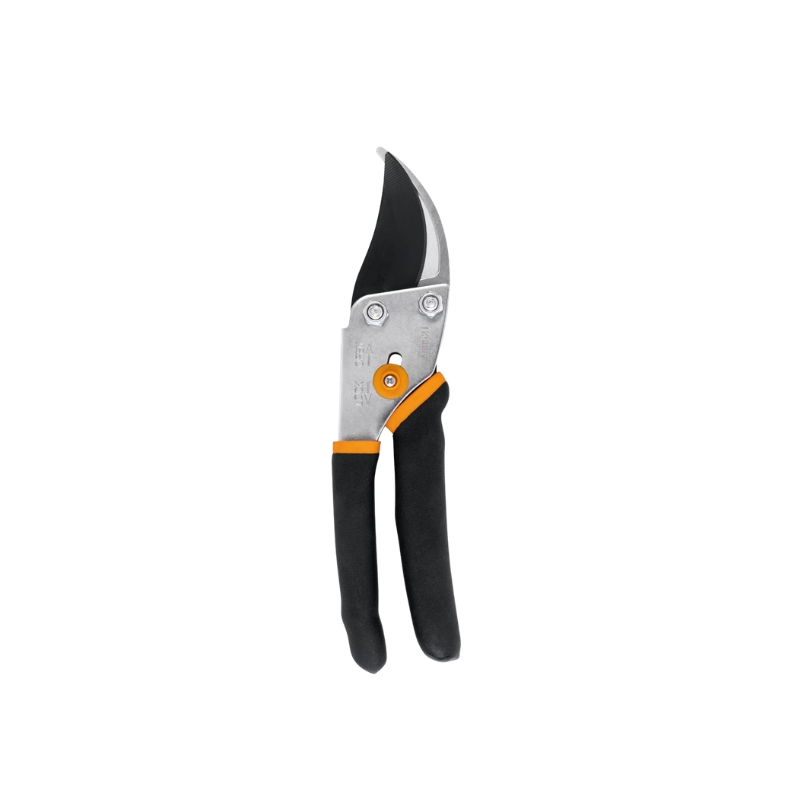
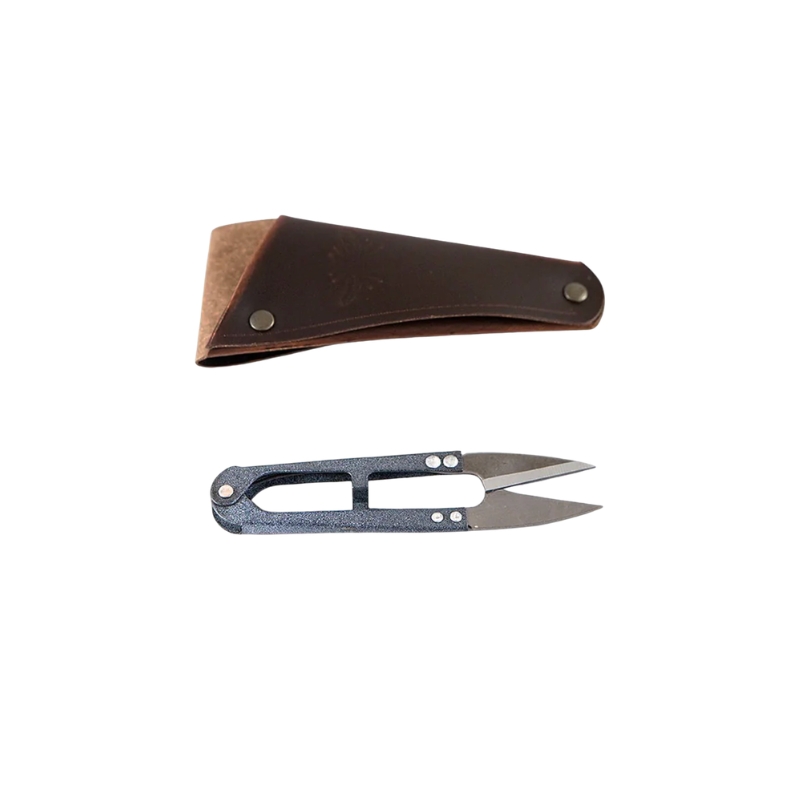
3. Cut the stem about 1/4 inch below the node with clean, sharp scissors or pruners
4. Remove any leaves that would sit below the waterline when you put the cutting in water
5. The cutting should have one or two leaves above the cut and a node below



How to Propagate Plants From Cuttings
Water Method
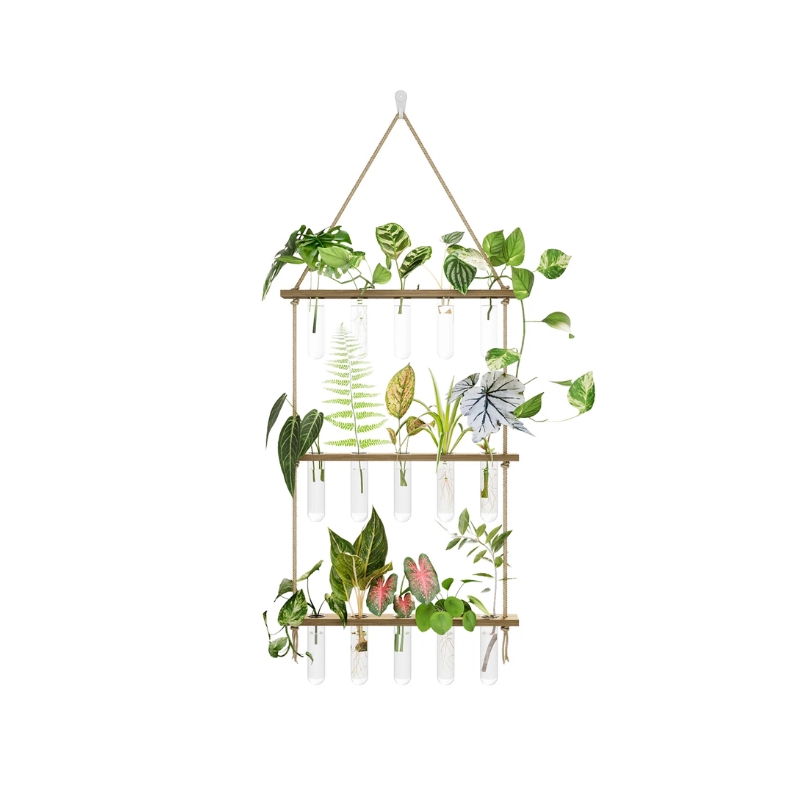
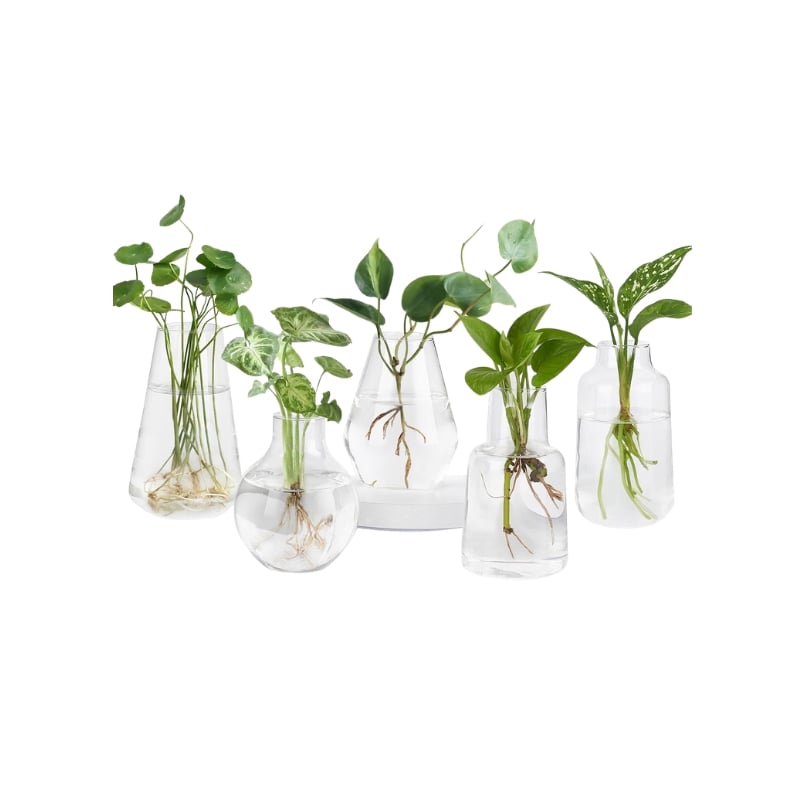
The water method is the easier, more reliable starting point. You can see the roots developing, which removes most of the guesswork.
Setup:
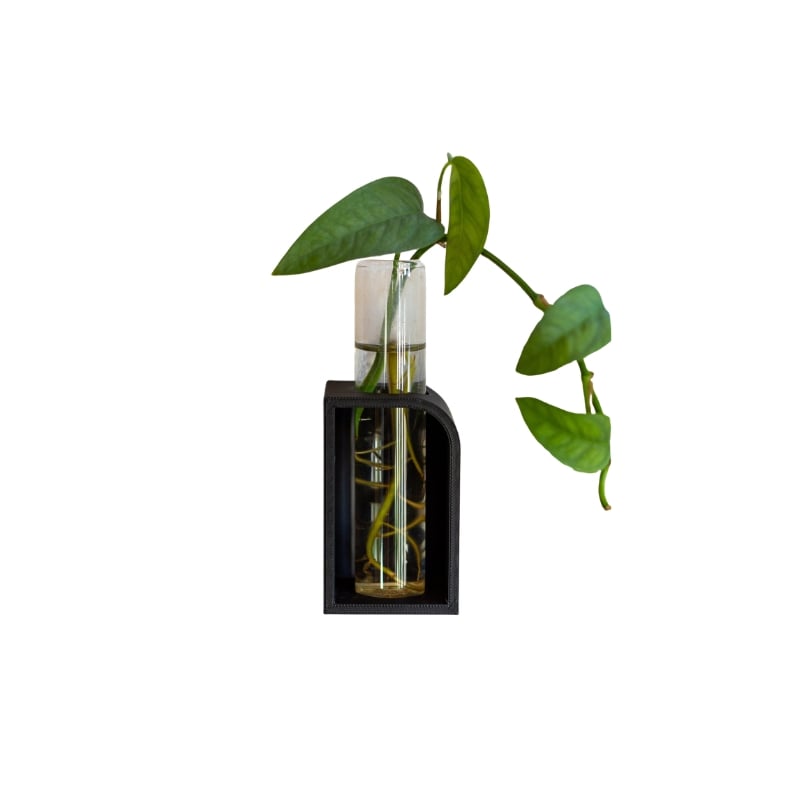
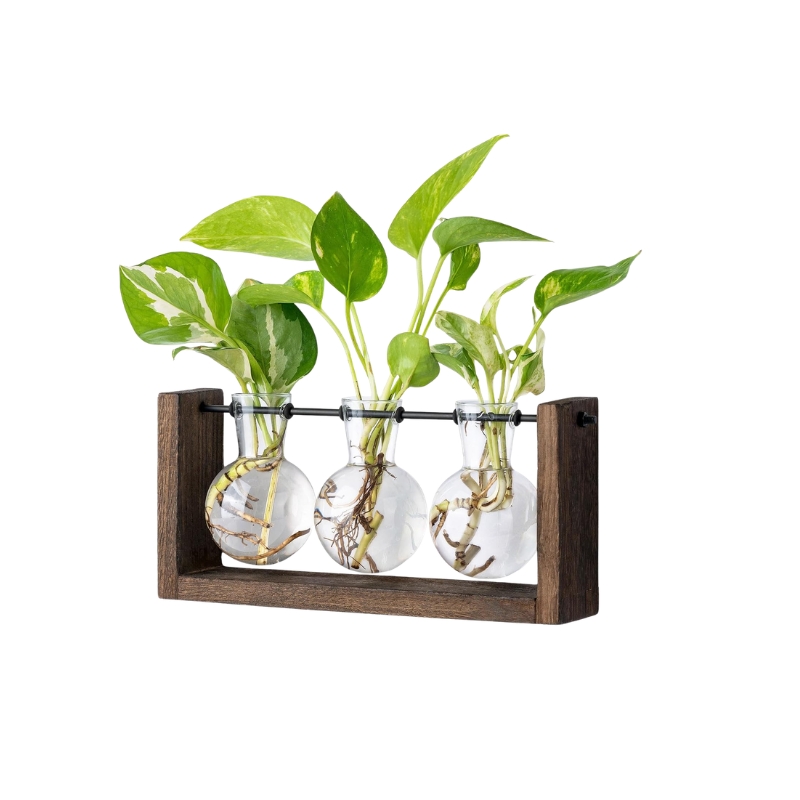
1. Fill a clean glass jar or vase with room-temperature water
2. Place the cutting so the node is submerged, leaves above water
3. Set the jar in bright indirect light (not direct sun)
4. Change the water every 4 to 5 days, or when it looks cloudy.
Roots typically appear in 1 to 3 weeks, depending on the plant. Pothos and tradescantia move fastest. Monstera and philodendron take a bit longer.

How to Propagate Plants From Cuttings
Soil Method
Soil propagation skips the water-rooting step entirely. The cutting goes directly into damp potting soil. Works well for plants that develop weak water roots that struggle when transplanted (snake plant especially).
SETUP:
1. Small pot with fresh, damp potting mix
2. Stick the cutting in about 1 to 2 inches deep, node buried
3. Keep the soil consistently damp but not wet
4. Cover loosely with a clear plastic bag or dome for the first 2 weeks to maintain humidity
5. Bright indirect light, no direct sun
The downside of soil propagation: you can’t see the roots. The cutting either roots or it doesn’t, and you find out only by checking after a few weeks whether there’s resistance when you gently tug.

How to Propagate Plants From Cuttings
When to Pot Up Water Propogated Cuttings
Water-propagated cuttings get transplanted to soil when the roots are at least 1 to 2 inches long. Roots shorter than that will struggle in soil. Roots much longer than 3 inches develop water-root structures that adapt poorly to soil. The window: 2 to 3 inches of root length is the sweet spot.
When transplanting from water to soil:
1. Choose a small pot, just slightly larger than the root system
2. Use fresh, well-draining potting mix
3. Make a small hole, set the cutting in gently, fill around the roots
4. Water thoroughly, then place in bright indirect light
5. Don’t fertilize for at least a month while the plant adjusts
How to Propagate Plants From Cuttings
What Slows Down Rooting
Cold Water
Roots develop faster in water around 70 degrees. Cold tap water from the kitchen slows things down significantly. Let water sit out for a day before using, or warm it slightly.
Too Much Light
Direct sun cooks the cutting and dehydrates the leaves before roots can form. Bright but indirect is the rule.
Low Humidity
Especially for soil propagation, the cutting needs to retain moisture in its leaves while it builds roots. The plastic dome or bag trick works because it creates a humid environment.
Old Cuttings
A cutting that sat for a day before going into water already started healing the cut. Cut and propagate within the same hour.
How to Propagate Plants From Cuttings
What To Do With Your New Plants
Once you start propagating, the supply outpaces the demand. The best solutions:
- Gift cuttings to friends. Small jars with a few cuttings, tied with twine. The most rewarding gift in plant culture.
- Trade with neighbors. Local plant communities exist on Facebook Marketplace and Buy Nothing groups. Easy way to expand your collection without buying new plants.
- Build a wall of small plants. A propagation shelf with a dozen small pots becomes a design feature on its own.



I love this because I just did some plant propagating. For Canadians, a great small woman owned business that has beautiful propagating tubes etc as well as other home decor and quality clothing is at http://www.hermosashop.ca
I love supporting small businesses!
Thanks so much for your reading. Can’t wait to visit Canada again in the future. Stay safe! xx -B
Thank you so much for this. I can’t wait to try the species suggestions. It’s hard to figure out what thrives where, but a little experimentation and the ability to propagate helps! I found climbing aloe easy to propagate and doing well inside the vicinity of a window.
Thanks so much for your comment! Good luck with growing your aloe. xx -B