How to Create a Low-Maintenance Edible Garden (Even in Dry Heat)

Most “easy edible garden” guides on the internet are written by people in very temperate climates, where July temperatures are in the 70s. Their soil is moist. Their watering rule is “an inch a week.”
But if you garden in California, Arizona, Texas, or anywhere the ground hits the 90s by noon, and it’s super dry, those rules will kill your plants. The dry-heat edible garden is its own thing, and once you know the rules, it’s actually easier than the temperate version.
Here’s my guide to a low-maintenance summer garden for hot climates that really works.
edible garden
What Actually Survives July
Some plants are labeled “heat-tolerant” and die in your yard anyway. Here’s what genuinely makes it through a Coachella Valley, Phoenix, or Austin July with reasonable care:
Rosemary
Bulletproof. Treat it like a shrub.
Sage
Same family, same forgiveness.
Lavender
Spanish or French, not English. English lavender does not like dry heat.
Thyme
Survives benign neglect.
Basil, Genovese variety.
Needs more water than the others but rewards effort.
Cherry tomatoes
Yes. Bigger tomatoes struggle in extreme heat (they stop setting fruit above 95). Cherry varieties keep producing.
Peppers
Hot peppers love the heat. Bell peppers struggle.
Mint
With morning shade only. Will scorch in full afternoon sun.
What dies, no matter what the tag says: cilantro after June, lettuce after May, English peas, broccoli, anything brassica.

edible garden
The 4 Pot Starter Set Up
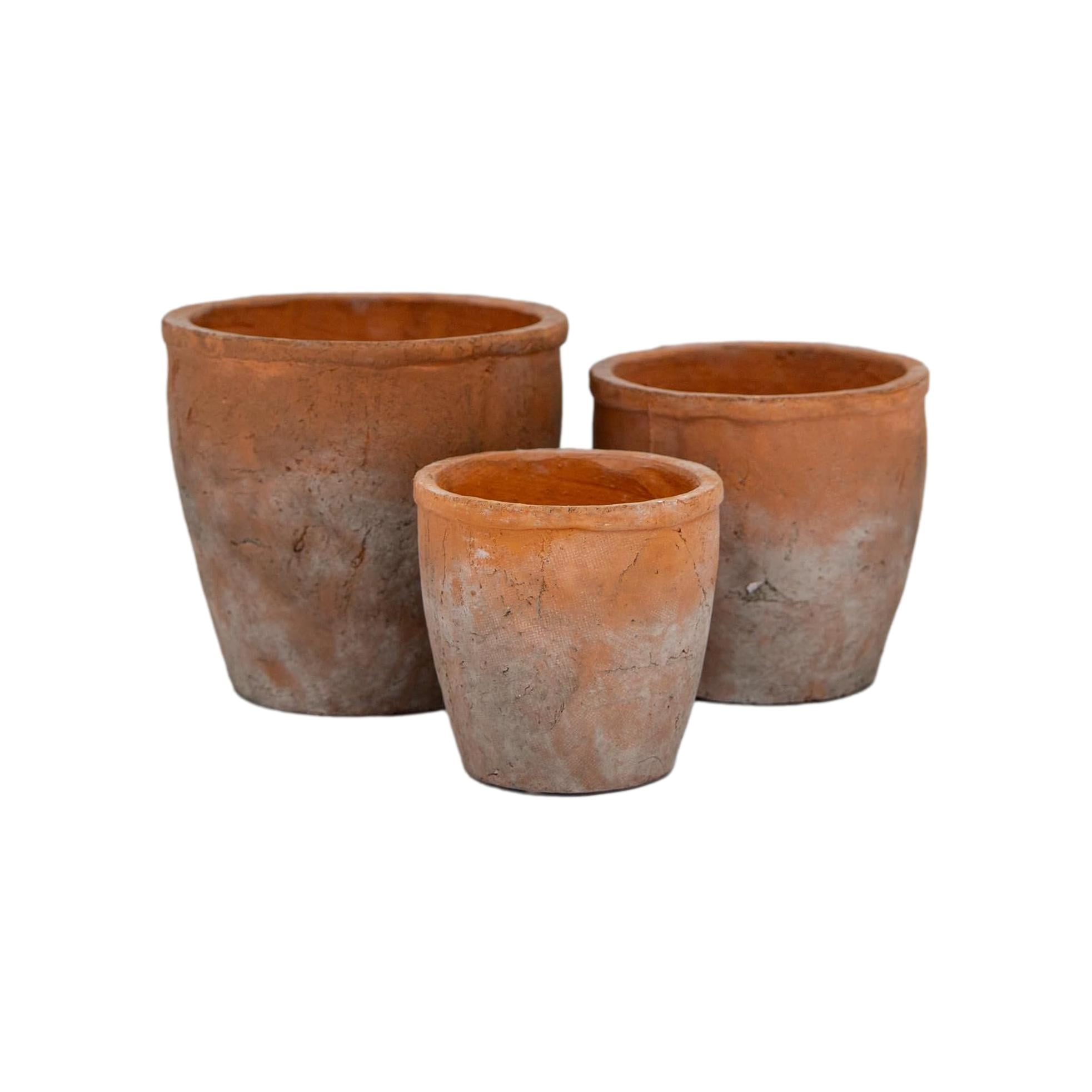
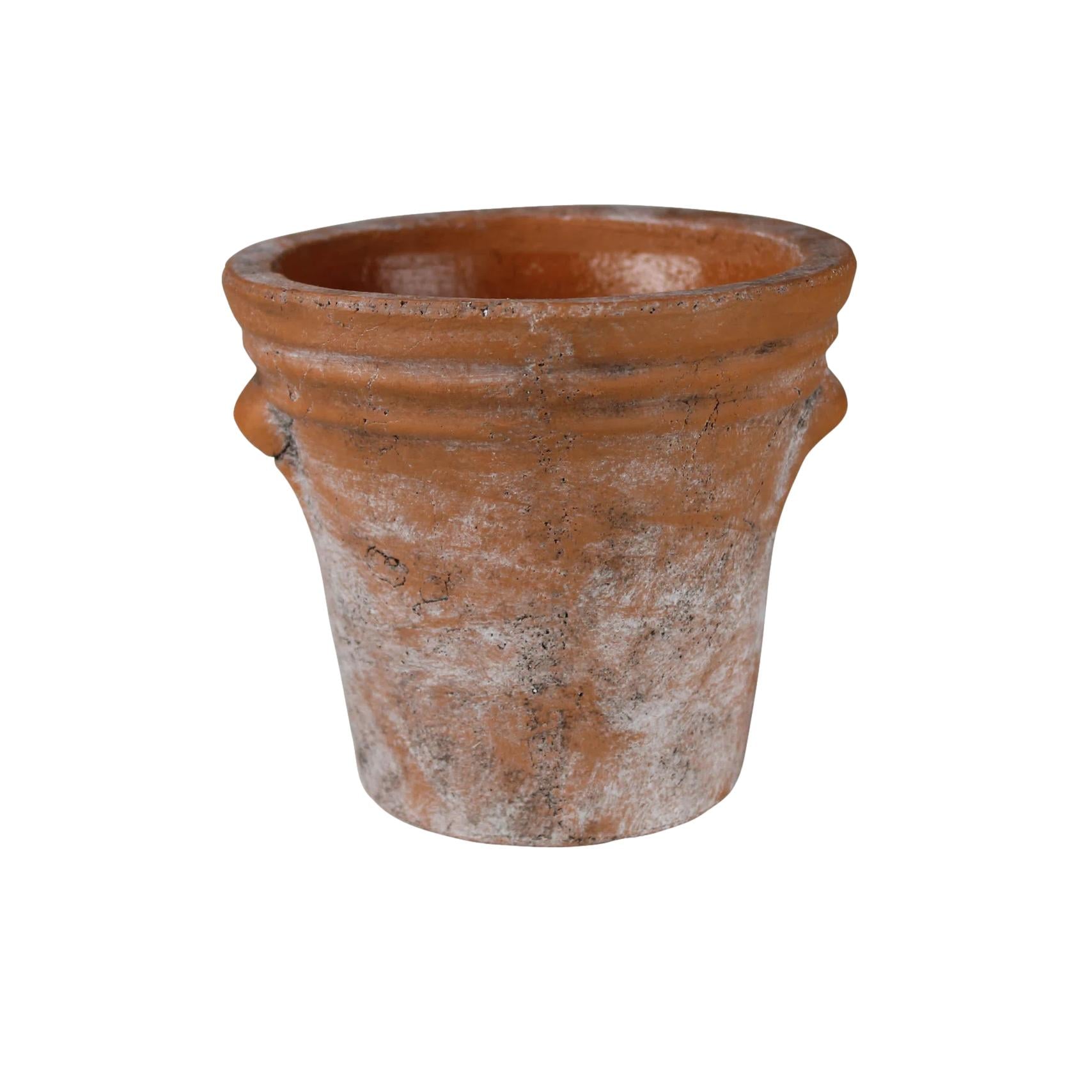
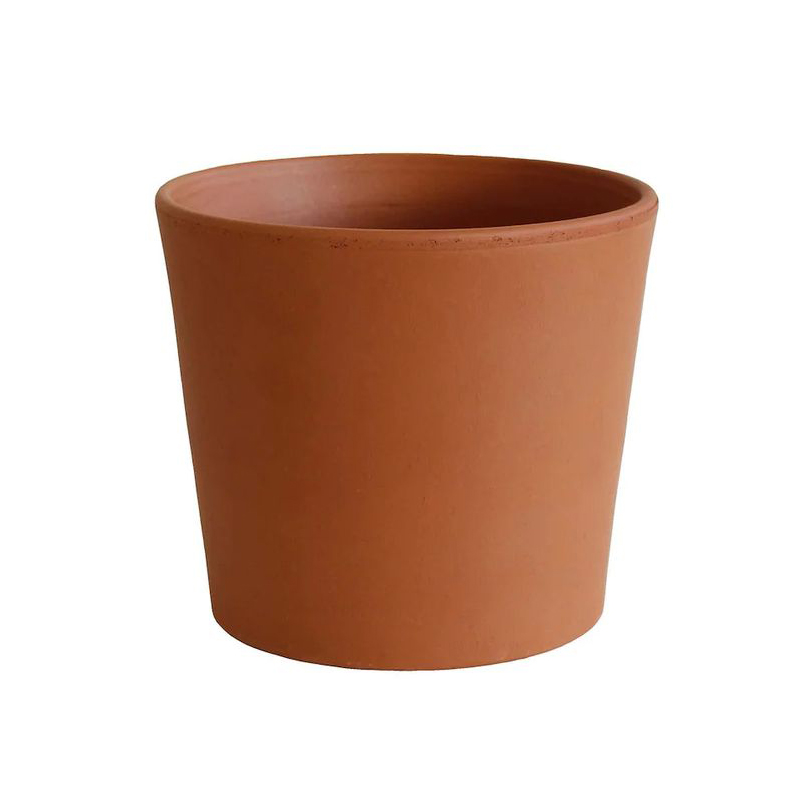
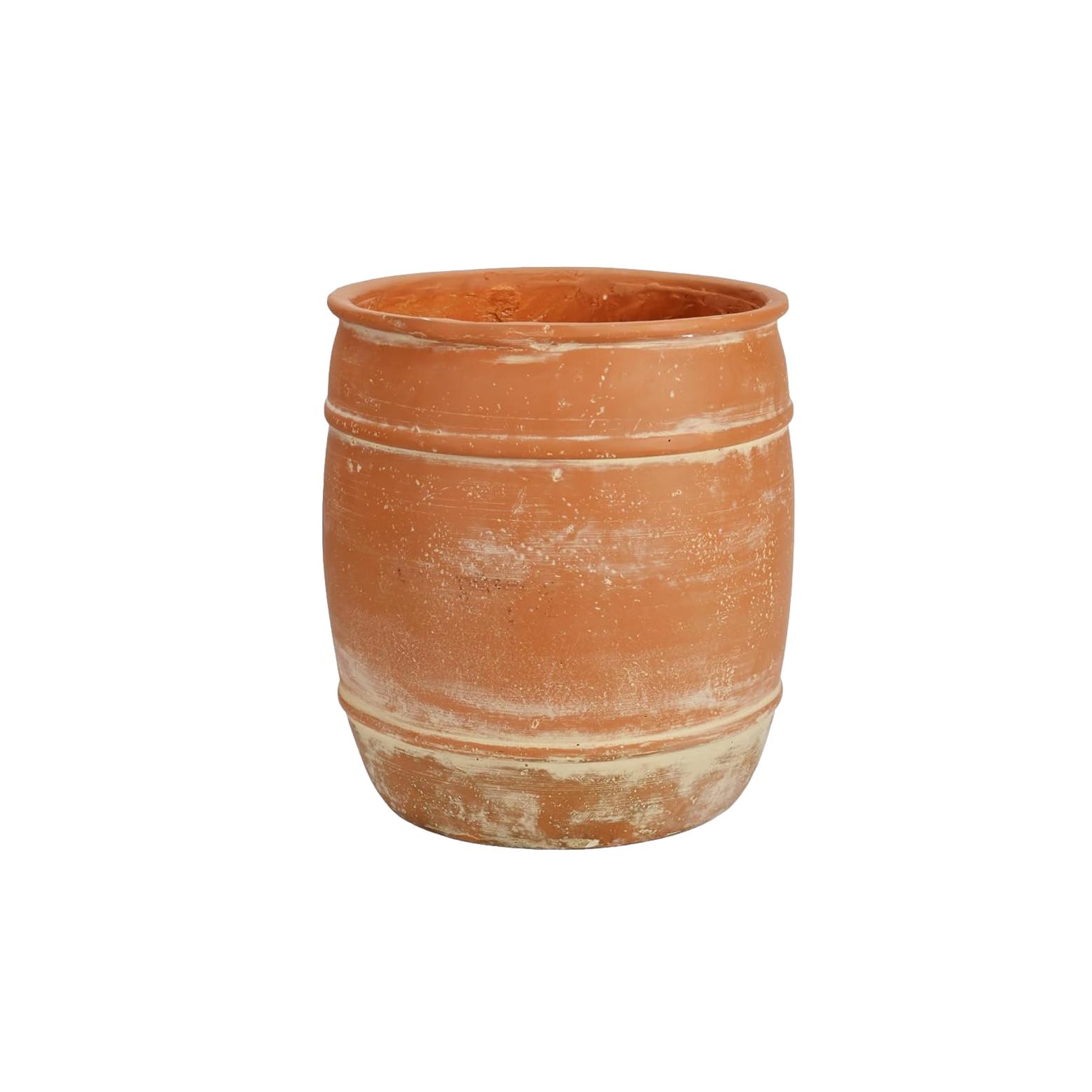
If you’ve never grown food before, start here. Four terracotta pots, 14 to 16 inches across, on a patio or balcony with morning sun and afternoon shade.
Pot 1: Rosemary and thyme together. Both want dry feet.
Pot 2: Genovese basil. By itself. It needs more water than the others.
Pot 3: One cherry tomato plant (Sungold or Black Cherry). Cage it now, not later.
Pot 4: One hot pepper plant. Padron, Shishito, or Jalapeño.
Terracotta beats plastic in dry heat. It breathes, which keeps the roots cooler.
edible garden
The Deep-and-Rare Watering Rule
The number one mistake people make: watering every day, lightly.
Light daily watering encourages shallow roots. Shallow roots mean the plant dies the first day you forget. Deep weekly watering encourages roots that go down looking for water, which means your plant survives a missed day.
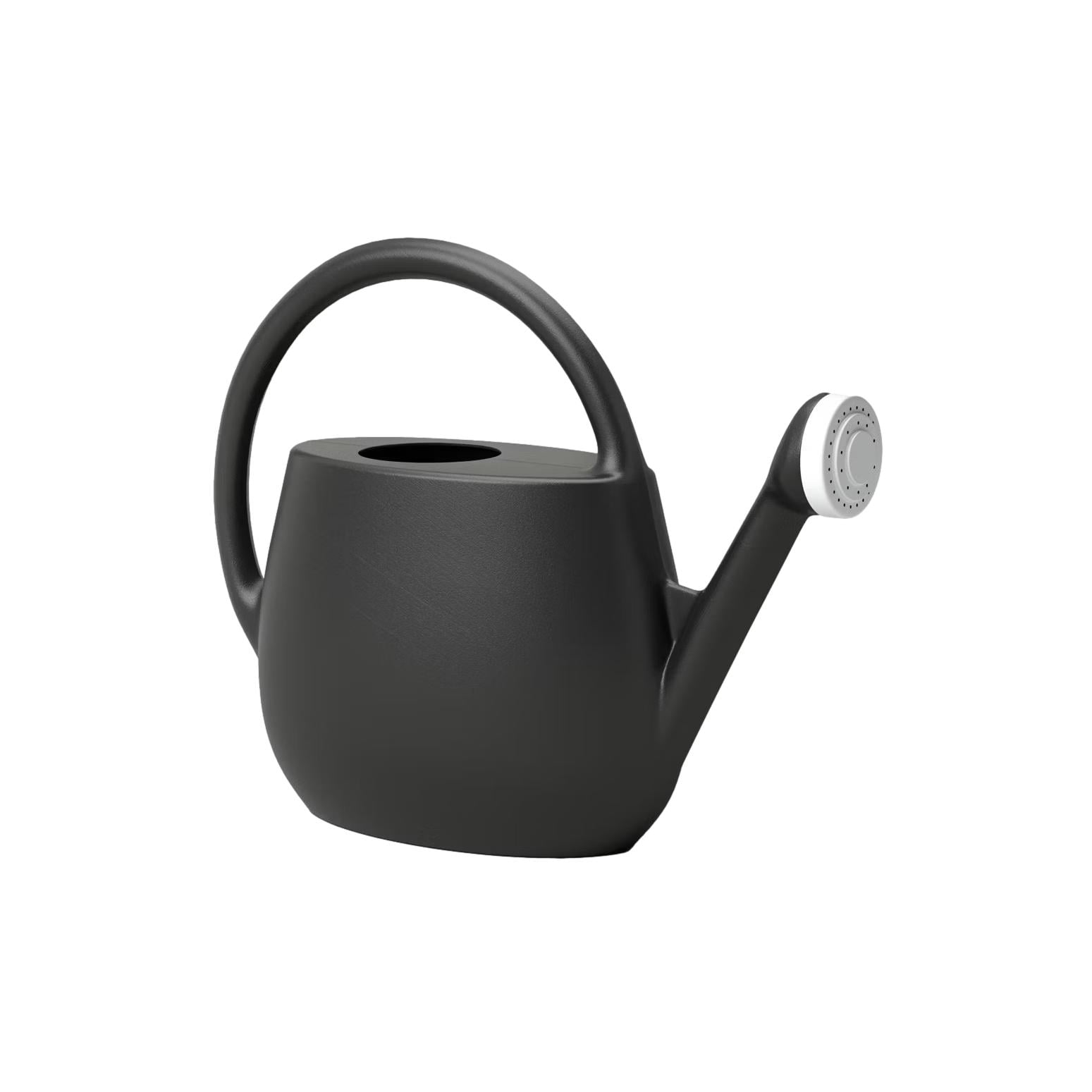
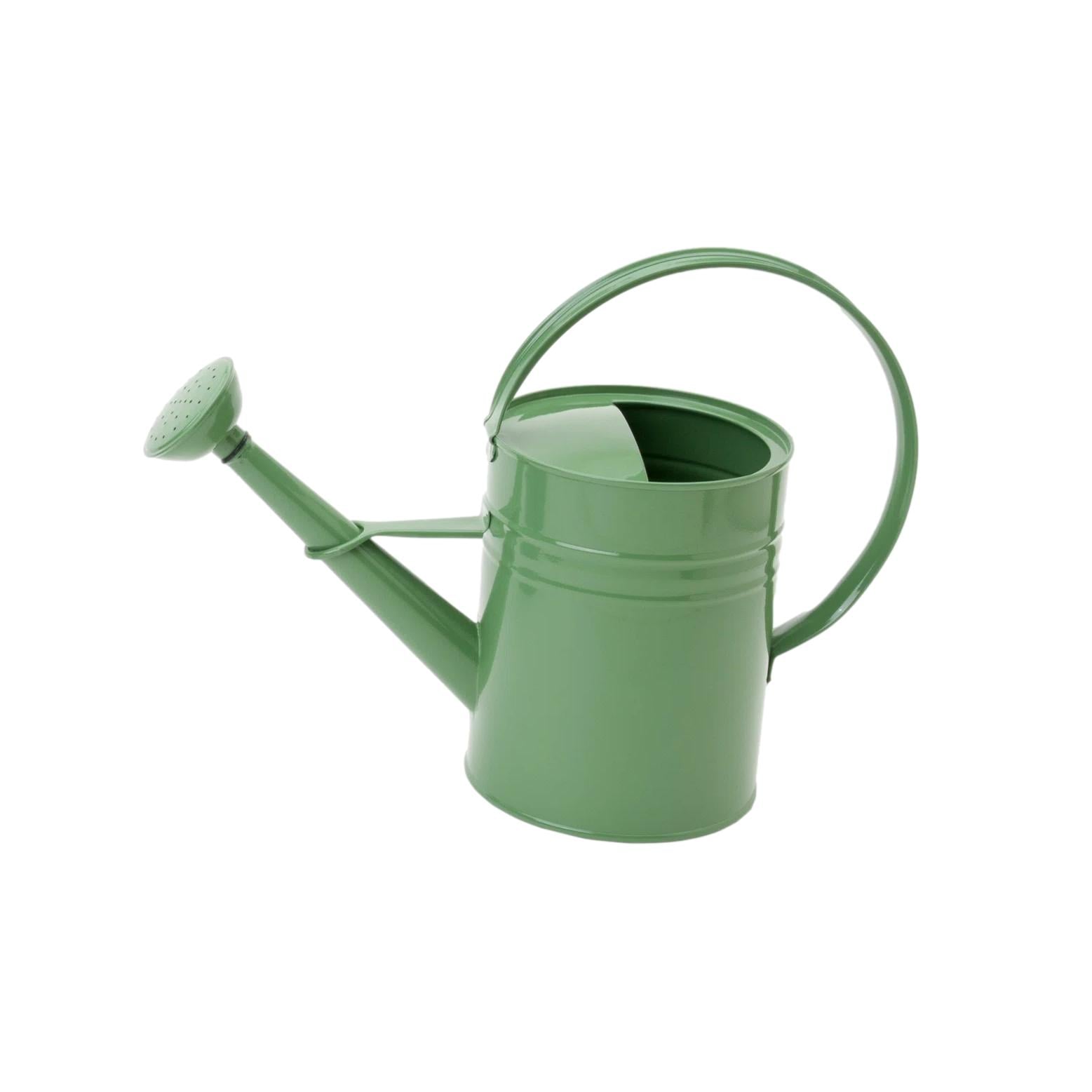
The rule: water until water comes out of the drainage hole. Then don’t water again until the top inch of soil is dry to the touch. In peak July, that might be every two days for basil and tomatoes and every five for rosemary.
Water in the early morning, not the evening. Evening watering invites mildew and gives slugs a party.


edible garden
Herbs That Double as Design
The Mediterranean garden look that magazines love is mostly just rosemary and lavender, repeated. Both happen to be edible. Both happen to be drought-tolerant. Both happen to look architectural.
A rosemary hedge along a walkway feeds you and frames the path. A row of lavender at the edge of a patio scents the air and produces a harvest. A sage plant in a low concrete bowl reads as a sculpture and lasts for years.
You don’t need a “kitchen garden” set aside from the rest of your landscaping. You can integrate edibles into the design you already have.

edible garden
The Harvest-to-Plate Timing Trick
The single most underrated rule of cooking with your own herbs: harvest right before you cook, never the morning before. The flavor of basil, especially, drops by 50 percent in the hour after you pick it.
Bring the cutting board to the herb pot if you have to. The five seconds between stem and pan is the difference between fresh and dull.
Try these recipes with your fresh-picked herbs: Authentic Chimichurri Steak or Roasted Chicken.
edible garden
What to Plant in August for September Harvest
Late summer is when you start thinking about cool-season crops. In hot climates, you don’t plant fall vegetables in September. You plant them in late August, in shade, and move them into the sun as the weather cools.
Good August starts: bush beans, summer squash (if your first round bolted), and a second round of basil. By mid-September, you can start cilantro, lettuce, arugula, and snap peas.