Easy Ceviche Recipe (Peruvian-Style)

Ceviche is the answer to “what do you make in summer when it is too hot to turn on the stove?” Bright, citrus-cured fish with red onion, chiles, cilantro, and salt. No heat applied at any step. The lime juice does the cooking by denaturing the proteins.
I make ceviche when I have friends coming over and the temperature is over 80. I make it when I want dinner to feel like a vacation. I make it the morning of a pool day, so it is ready when everyone wakes up from a nap. It is one of those rare dishes that is simultaneously fancy and effortless. You look like you did something. You did almost nothing.
The dish has been climbing search results steadily for years. Ninety thousand monthly searches and counting in 2026. The reason is partly the global cuisine trend (Americans are cooking more Peruvian, Mexican, and Ecuadorian food than ever before) and partly the broader appetite for fresh, light, no-cook meals that fit hot weather and busy schedules.
I learned to make real ceviche in Lima, Peru, where I ate it for lunch most days for a week and asked too many questions of the cooks who served it. The version I make now is a hybrid of what I learned there and the simpler home-cook adaptations I have refined over the years. It is approachable, it is fast, and it tastes like the ocean met a lime grove. Here’s my easy ceviche recipe.
See more of my favorite trending recipes: Beginner Sourdough Bread, Hot Honey Chicken, and Chimichurri Steak,
ceviche Recipe
The Story of Ceviche
Ceviche is the national dish of Peru. The Peruvian government has actually declared it “cultural heritage of the nation.” June 28th is National Ceviche Day in Peru.
The origins go back at least 2,000 years. Pre-Inca civilizations along the Peruvian coast cured fish in fermented chicha (corn beer) and chile pastes. The Spanish brought citrus (limes, lemons, bitter oranges) in the 1500s, and the modern version of ceviche, with citrus-cured fish, took shape over the following centuries.
Today, every coastal Latin American country has its own version. Peruvian ceviche is the most well-known and arguably the original. Mexican ceviche tends to be tomato-based and chunkier. Ecuadorian ceviche often includes shrimp and a brothy tomato base. Salvadoran ceviche is heavy on cilantro and lime. Each region has its claim. Peru has the longest history.
Peruvian ceviche has three non-negotiable elements: impeccably fresh white fish, fresh lime juice (cured for a short time, not all day), and ají amarillo (Peruvian yellow chile). The fish is traditionally cured for only a few minutes, not hours, so the texture stays soft and slightly translucent in the center. The “leche de tigre” (tiger’s milk) is the citrus marinade that pools at the bottom of the bowl. It is so flavorful that Peruvians often drink it on its own as a hangover cure.
The recipe I am giving you is a home-cook adaptation. Slightly longer cure (15 to 20 minutes for safety and texture), accessible chile substitution (jalapeño or serrano if you cannot find ají amarillo paste), and topping suggestions that travel beyond the traditional.
ceviche Recipe
Why This Recipe Works
The Fish has to be Fresh
This is the whole game. If the fish is not great, ceviche is not great. There is no oven or pan to fix mediocre fish. Tell your fishmonger you are making ceviche. They will point you to what came in that day.
The Cure Time Matters
Fifteen to twenty minutes is the sweet spot. Less and the texture is too raw, and the flavor is not integrated. More and the fish goes mealy and over-cooked.
Salt at the end, not the beginning
Salt draws moisture out of the fish too early in the process, and you lose the texture you want. Wait until just before serving.
The Onions Need a Soak
Sliced raw red onion can be aggressively sharp. A 10-minute soak in ice water mellows the bite and keeps the texture crisp without losing color.
ceviche Recipe
The Equipment You Need
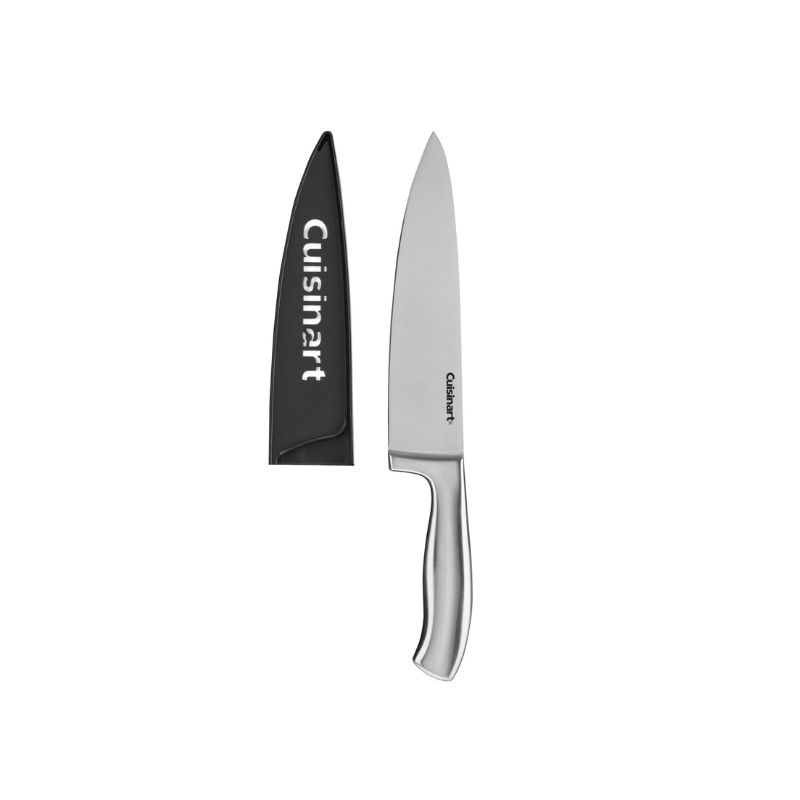
A Sharp Chef’s Knife. Sharp matters more than fancy here. Dull knives tear the fish instead of slicing cleanly.
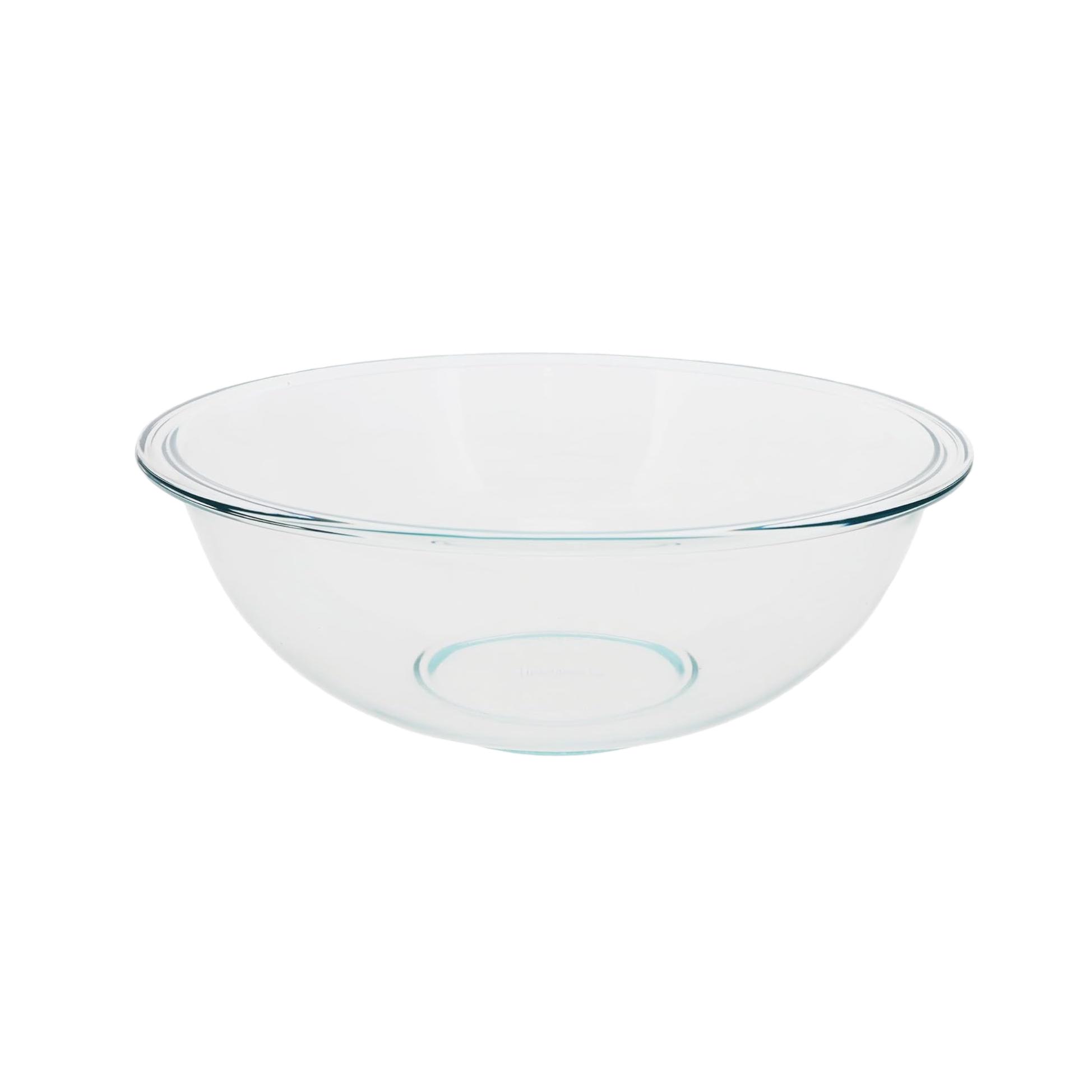
Glass or Ceramic Bowl. Avoid metal bowls for curing. Reactive metals (aluminum, cast iron) can pick up a tinny flavor from the citrus.
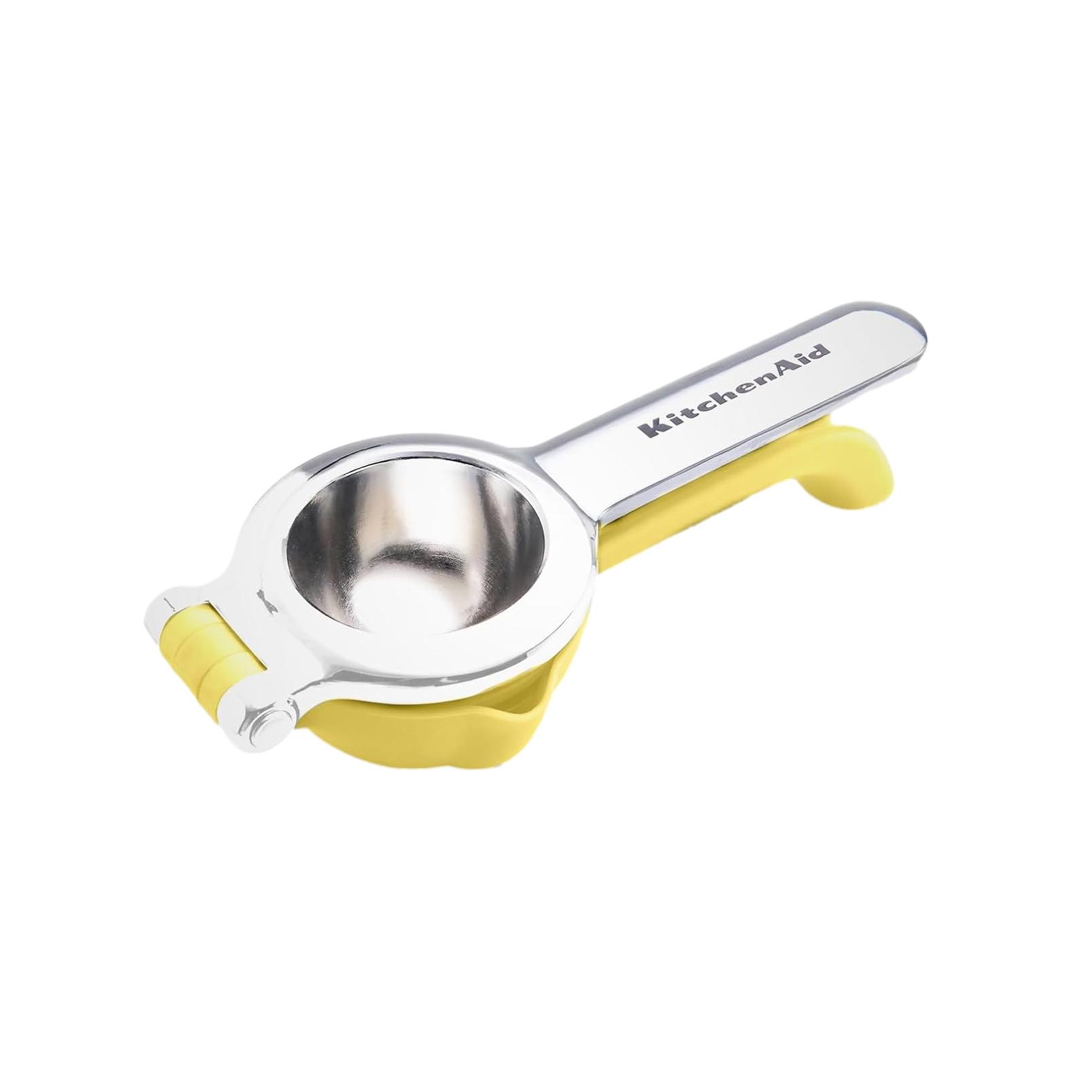
A Handheld Citrus Juicer. The difference between three minutes of juicing and twenty.
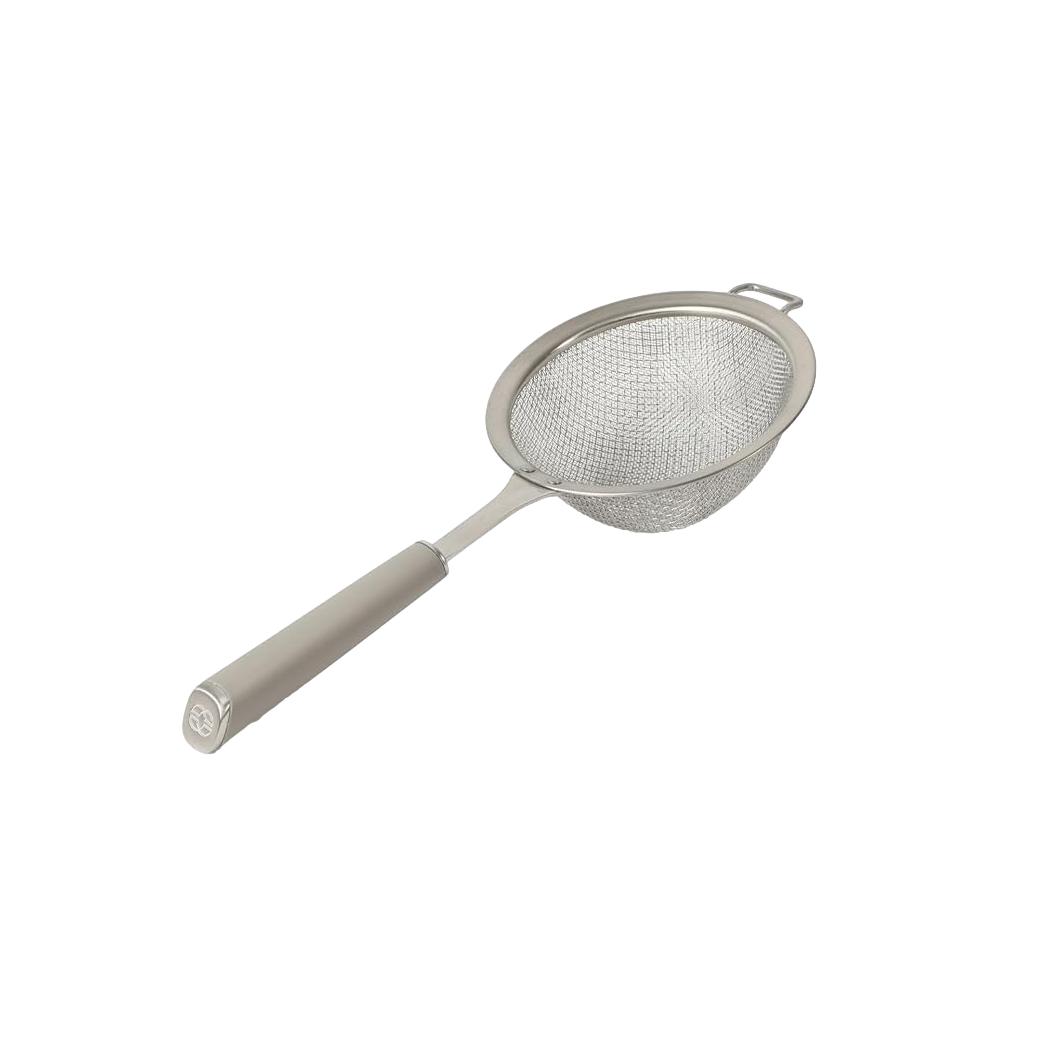
A Fine Mesh Strainer. For straining the leche de tigre if you want a clearer broth.

ceviche Recipe
Ingredients
FOR FOUR SERVINGS:
1 pound fresh white fish (halibut, sea bass, snapper, fluke, or grouper), skinless, boneless, cut into 1/2-inch cubes
1/2 cup fresh lime juice (from about 6 limes)
1/4 cup fresh lemon juice (from about 2 lemons)
1 small red onion, sliced paper-thin
1 jalapeño or serrano pepper, seeded and finely minced
1/4 cup fresh cilantro, chopped
1 ripe avocado, diced
Kosher salt, to taste
Flaky sea salt, for finishing
Optional: 1 teaspoon ají amarillo paste (Peruvian yellow chile paste, available at Latin grocers or online)
FOR SERVING:
Plantain chips or thick corn tortilla chips
Lime wedges
More fresh cilantro
Optional: sweet potato slices, boiled corn kernels (a Peruvian tradition)
Discover the perfect Trader Joe’s wine to pair with ceviche

ceviche Recipe
Instructions
1: Source the Fish
Go to a grocery store or specialty market you trust. Tell them you are making ceviche. Ask for the freshest white fish they have that day. Halibut is my preference. Sea bass is luxurious. Snapper is more affordable. All work. Smell it before you buy. It should smell like the ocean, not “fishy.” Get it home and keep it cold.
2: Soak the Onion
Slice the red onion paper-thin (a mandoline helps, but a sharp knife works). Soak the slices in a bowl of ice water for 10 minutes. This takes the sharp edge off the onion and keeps the texture crisp. Drain and set aside.
3: Cut the Fish
Use a sharp knife to cut the fish into 1/2-inch cubes. Work on a cold surface (run a sheet pan under cold water and dry it, then cut on the pan). The fish should be just barely warmer than cold when you cut it.
4: Begin the Cure
Place the cubed fish in a glass or ceramic bowl. Pour the lime juice and lemon juice over the top. The fish should be just covered by the liquid (top up with more citrus if needed). Stir gently to coat every piece.
5: Cure for 15-20 Minutes
Refrigerate. The fish will turn opaque around the edges and stay slightly translucent in the center. That is exactly right. If the fish is fully opaque all the way through, you over-cured. Pull it sooner next time.
6: Drain (mostly)
After 15 to 20 minutes, drain off most of the citrus juice through a fine-mesh strainer. Save 3 tablespoons of the strained citrus liquid (this is your leche de tigre dressing). Discard the rest.
7: Combine
Add the drained onions, minced jalapeño, chopped cilantro, ají amarillo paste (if using), and the reserved 3 tablespoons of citrus liquid to the cured fish. Toss gently with a spoon.
8: Fold in the Avocado
Add the diced avocado last. Fold gently to keep the avocado from breaking down
9: Season
Add kosher salt to taste. Toss once more.
10: Finish and Serve
Transfer to a clean serving bowl. Garnish with flaky sea salt, a final scatter of fresh cilantro, and a lime wedge on the side. Serve immediately with plantain chips or thick corn tortilla chips.
ceviche Recipe
Tips From My Kitchen
The Fish Should Smell like the Ocean
If it smells “fishy” in a way that turns your stomach, it is not the fish to use. Trust your nose.
Cut the Fish While Still Cold
Cold fish is easier to cut into clean, uniform cubes. Pull it out of the fridge, cut immediately, do not let it warm up.
Add the Avocado Last
Avocado breaks down quickly in acid. Add it just before serving and fold gently.
Make the Leche de Tigre Work
The strained citrus liquid you saved is one of the most flavorful parts of the dish. Some Peruvian restaurants serve it in a small glass on the side, almost like a shooter. Drink it. It is
Garnishes Elevate
A few thinly sliced strips of fresh red chile across the top, a sprinkle of toasted corn nuts (cancha) for crunch, and a few sweet potato slices on the side. These are the small details that turn ceviche from “fish salad” into a real dish.
Make Small Batches
Ceviche is best when freshly made and eaten within two hours. Do not scale up unless you have a crowd that can polish it off.

ceviche Recipe
Storage
Ceviche is best the day you make it, ideally within two hours of serving. The fish keeps getting more cured as it sits, and after a few hours, the texture changes from delicate to chewy.
If you have leftovers, eat them the same day. Day-two ceviche is technically safe but the texture is past its peak.
Do not freeze ceviche. The fish texture goes south completely on the thaw.
The leche de tigre alone keeps in the fridge for 2 days. Use it as a marinade for fish or chicken, or drink it as a hangover cure.
ceviche Recipe
Frequently Asked Questions
Is Ceviche Actually Raw?
Technically, the citrus changes the protein structure (denatures it) the way heat does. The fish is no longer raw in texture, but it is not cooked with heat either. If raw seafood is not for you, ceviche probably is not for you.
Is Ceviche Safe to Eat?
Yes, if made with impeccably fresh, sushi-grade fish from a trusted source. The acid in the lime juice does kill some bacteria, but not all. The freshness of the fish is your safety net. If you have any concerns, use previously frozen fish (commercial freezing kills most parasites).
Can I Use Frozen Fish?
Sushi-grade frozen fish (the kind sold for sashimi) works perfectly. Regular frozen fish does not. The texture is too watery after thawing.
Where do I find Aji Amarillo Paste?
Latin grocery stores, well-stocked supermarkets, or online. It comes in small jars and keeps in the fridge for months.
What if I can’t find Aji Amarillo Paste?
Use a tiny pinch of cayenne or a habanero (use just a sliver) for warmth. Or skip the chile entirely and let the jalapeño do the work.
Can I Prep Ceviche Ahead?
You can prep all the components (cut the fish, slice the onions, mince the chile, chop the cilantro, juice the citrus) up to 4 hours ahead. Combine and cure just before serving.
Why is my Ceviche Tough?
Over-cured. The acid kept working past the 20-minute mark, and the proteins seized up. Pull it sooner next time.
Can I Make Ceviche with Cooked Seafood?
Yes, especially with shrimp. Just skip the cure step. Use cooked, chilled shrimp, and toss with the dressing.
What is Leche de Tigre?
The citrus marinade that pools at the bottom of the ceviche bowl. Lime juice, the fish’s own juices, a little salt, sometimes ají amarillo. Some Peruvians drink it on its own as a hangover cure. It is delicious.
ceviche Recipe
Why I Keep Making This
Ceviche is the dish that taught me how much a kitchen can do with no equipment. No heat. No technique beyond cutting and tossing. Just impeccable ingredients, the right ratios, and enough patience to wait fifteen minutes.
It is also the dish that became my answer to summer entertaining. Hot day. People coming over. I do not want to be in the kitchen. Ceviche makes sense. Twenty minutes of prep in the morning, ten minutes of assembly when guests arrive, eaten with chips and cold beer in the shade.
There is also something about the ritual of eating ceviche that fits warm weather. The slow assembly of the bite (scoop a piece of fish, get some onion and chile and cilantro on the spoon, add a chip, fold). The bright shock of the acid against the buttery fish. The way the avocado settles the heat. Ceviche feels like a vacation in your mouth. That is the whole reason I keep making it.