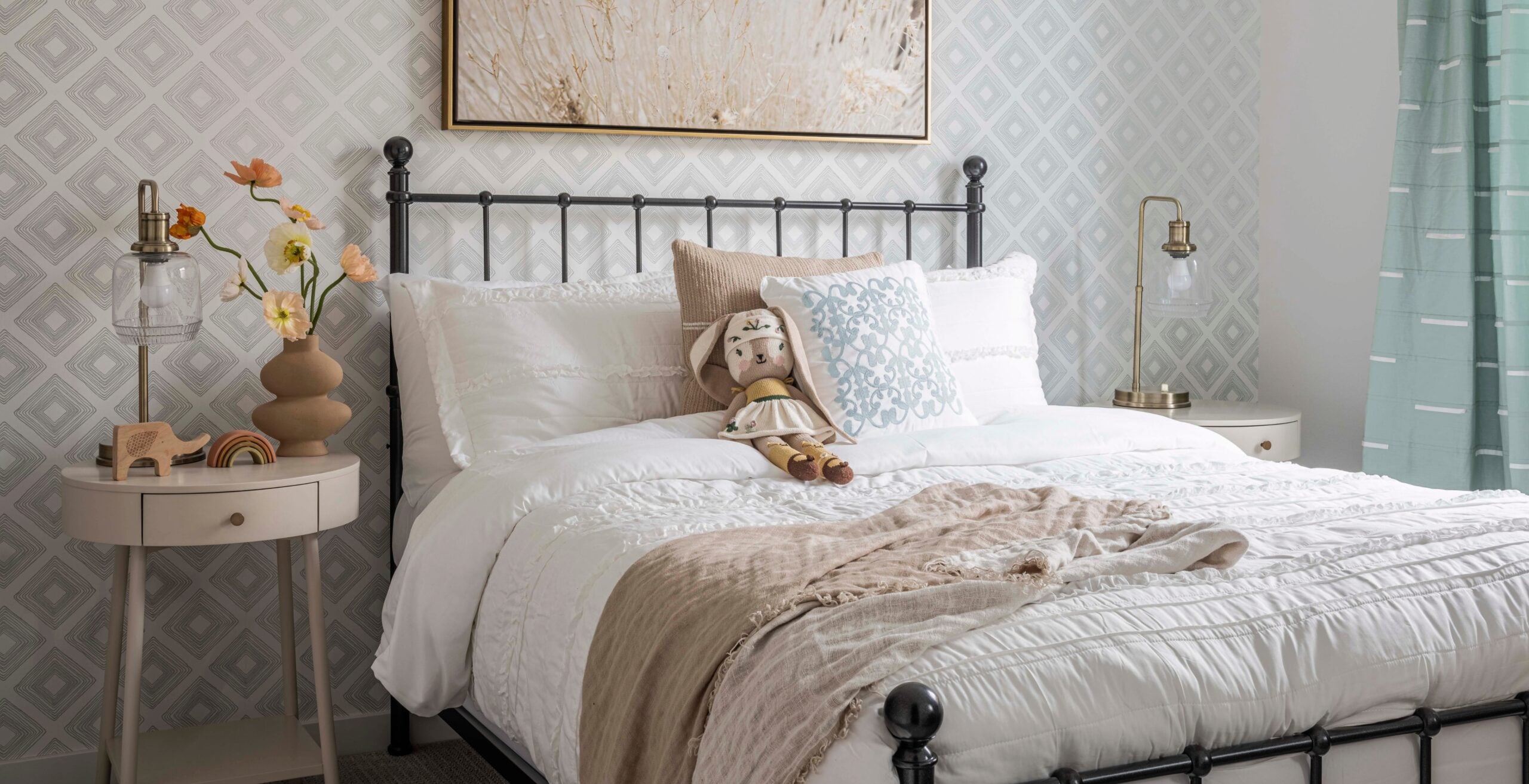
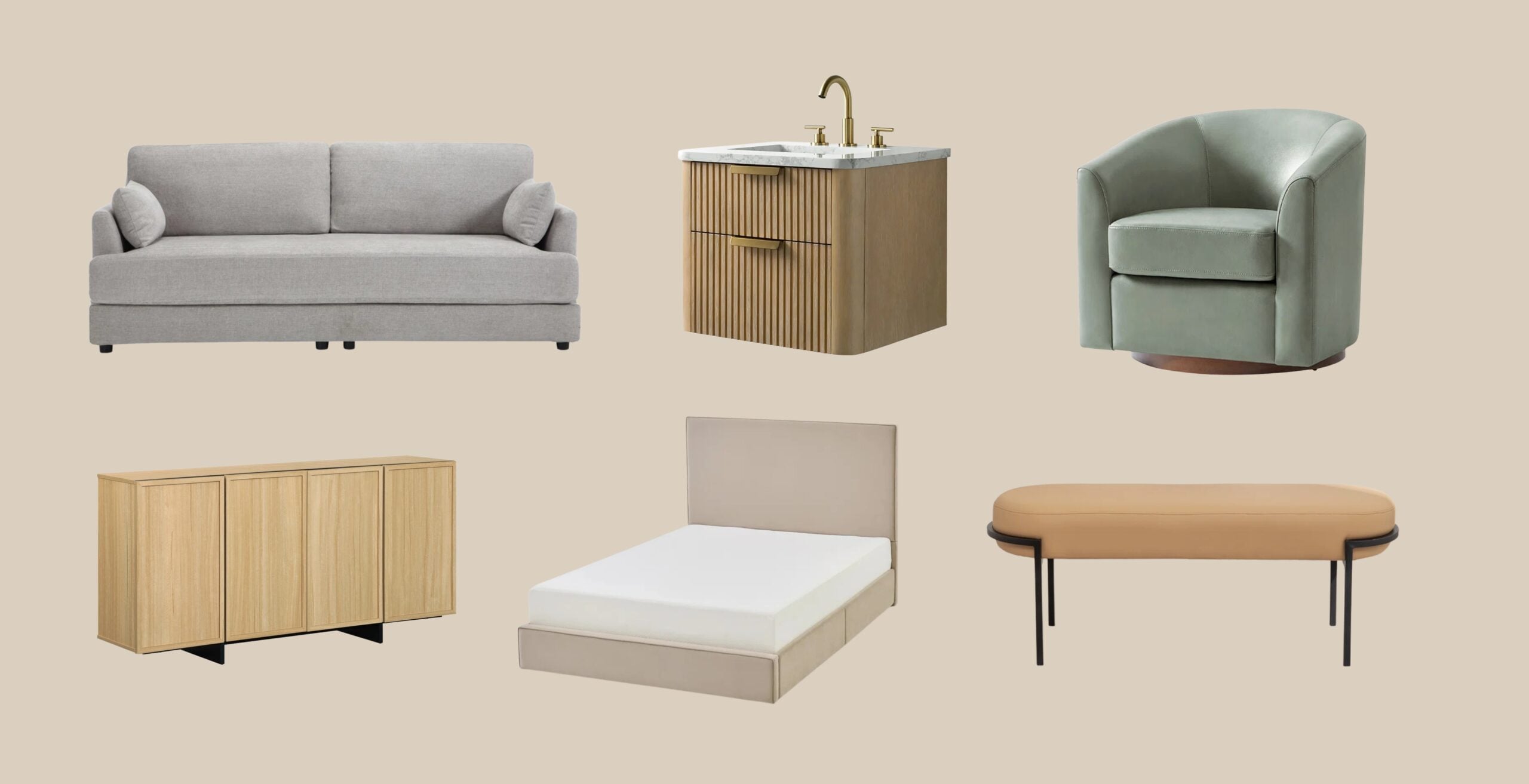
Trendy vs. Timeless Design: How To Tell The Difference Before You Buy

I get asked some version of this question constantly: “Is this going to look dated in five years?” And honestly, I get it. Nobody wants to spend real money on a piece that feels out of style the second the trend cycle moves on. But here’s the thing: trendy and timeless aren’t actually opposites, and it’s not really about the piece itself. It’s about which category it falls into, and how much you’re willing to spend on it.
Over the years I’ve developed a pretty simple framework I run every purchase through before I commit, whether it’s a client’s budget or my own money. It’s not about avoiding trends altogether, because some of my favorite rooms have a trendy piece or two in them. It’s about knowing exactly which pieces can handle that risk, and which ones can’t. Here’s my guide to trendy vs. timeless design.
For more on building a home that lasts, check out 5 Design Rules You Should Always Follow and The One Rule Behind Every Good Design Decision.
Trendy vs. Timeless Design
Ask What’s Actually Driving the Look
Before anything else, I try to separate a piece into two components: its shape and its finish. Shape, the actual silhouette, proportions, and structure of something, tends to age slowly. A well-proportioned sofa arm, a classic dining chair silhouette, a simple cabinet door profile- these things stay relevant for decades because they’re rooted in scale and function, not a moment in time.
Finish, on the other hand- color, pattern, hardware style, upholstery, texture- is almost always the trendy part. It’s also the cheapest and easiest part to change later. So my first filter is simple: if a piece is trendy because of its shape, I get cautious. If it’s trendy because of its finish, I get a lot more comfortable saying yes.

Trendy vs. Timeless Design
Match Your Spend to the Risk
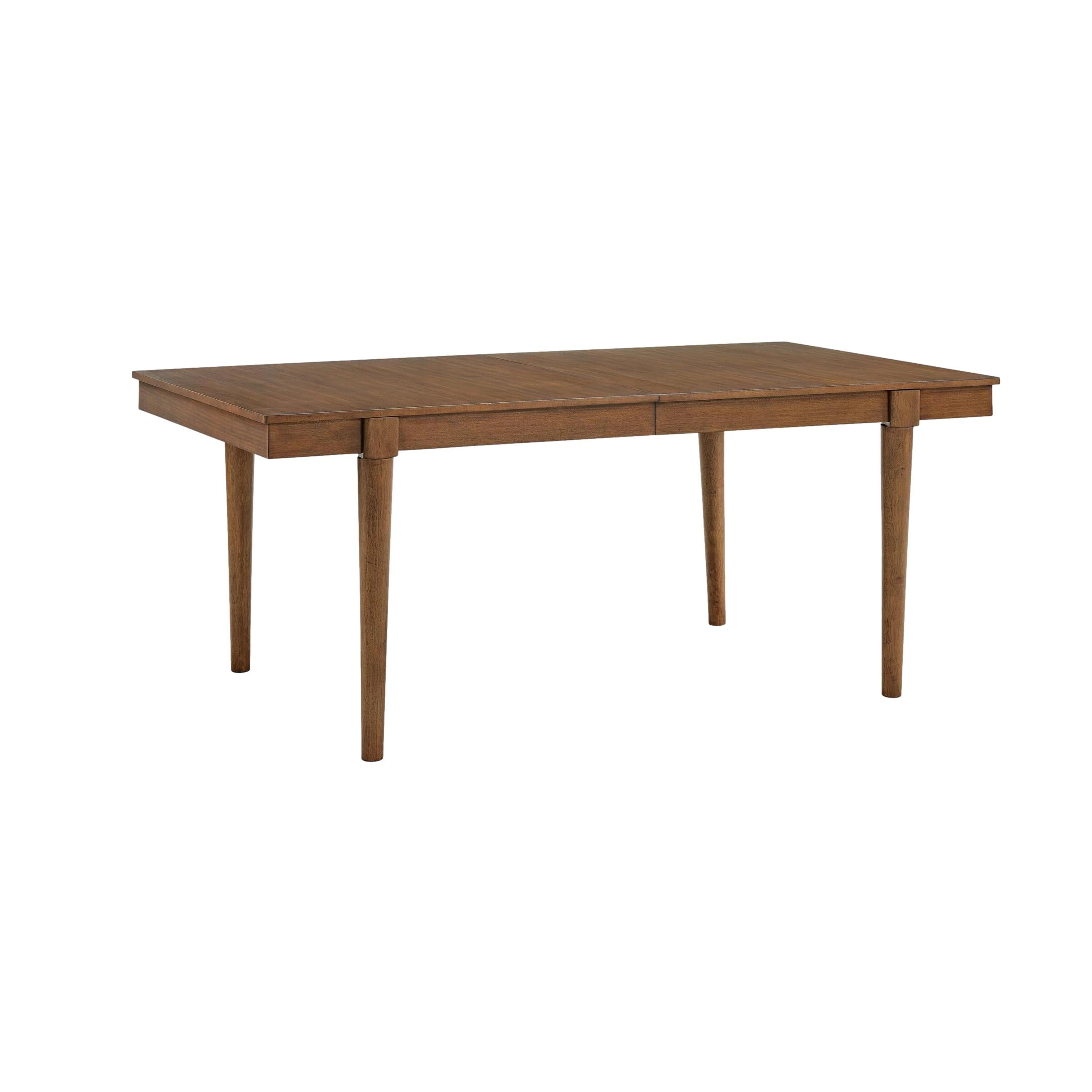
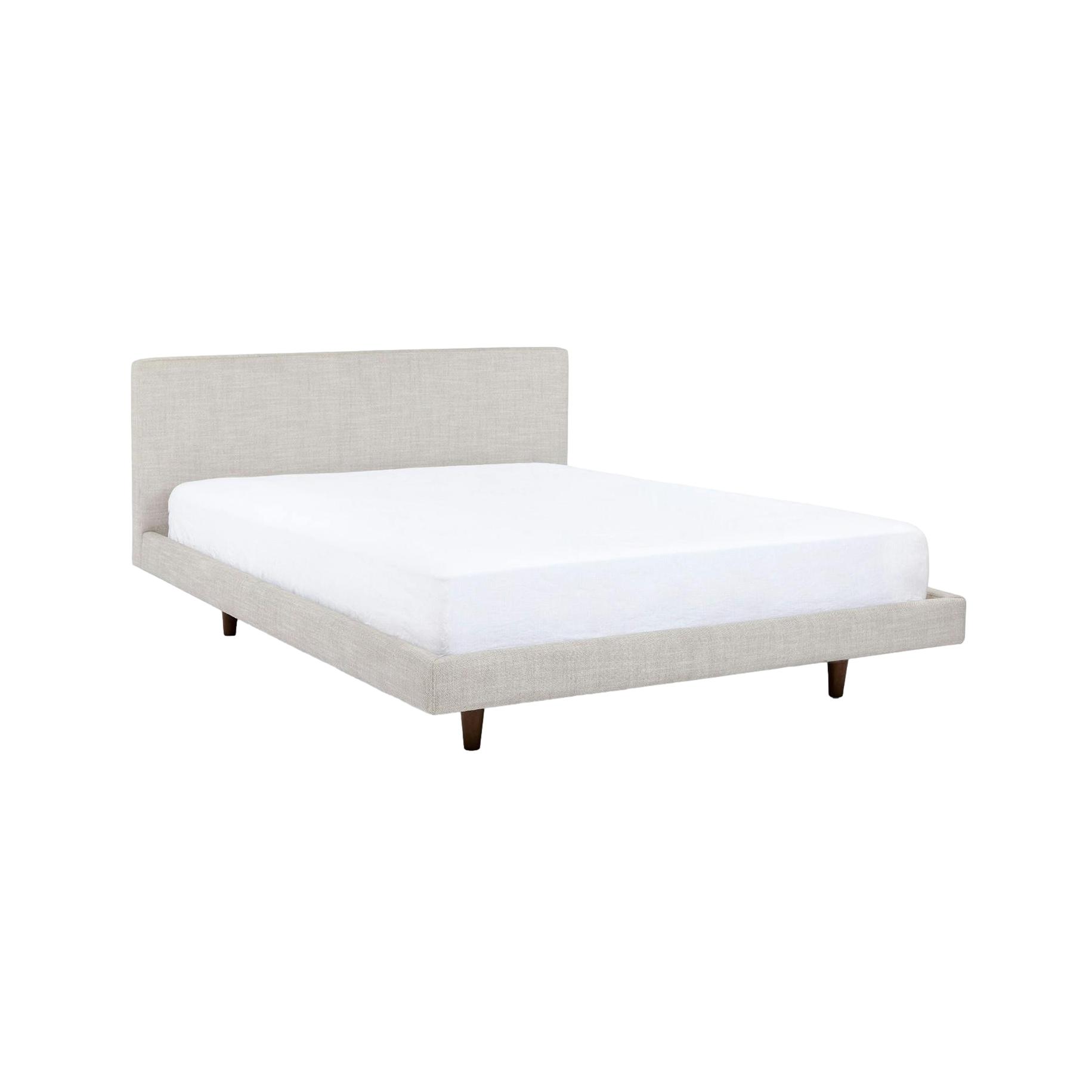
This is the rule I break the least: the more trend-driven a piece is, the less I want to spend on it. A bold, saturated accent chair in a shape that’s everywhere on social media right now? Great, buy it, but buy the $400 version, not the $4,000 version. Meanwhile, a large sofa, a dining table, cabinetry, anything expensive, hard to replace, or structurally central to a room, should lean as classic as possible in shape, even if you have fun with color or texture on top of it.
I think about it almost like a budget allocation. Trend-forward pieces get a small slice of the budget and a short expected lifespan. Foundational pieces get the bulk of the budget and need to earn a decade or more of use.

Trendy vs. Timeless Design
Look at the Material, Not Just the Look
A piece can have a completely timeless silhouette and still fall apart, literally and stylistically, if the materials behind it are cheap. I always check: is this solid wood or a particleboard veneer? Is this a natural fiber or a synthetic blend that pills? Materials that are built to last also tend to age gracefully, developing a patina rather than looking worn out. A trend can fade in a season. Cheap materials fail on their own timeline, regardless of whether the style is still in fashion.
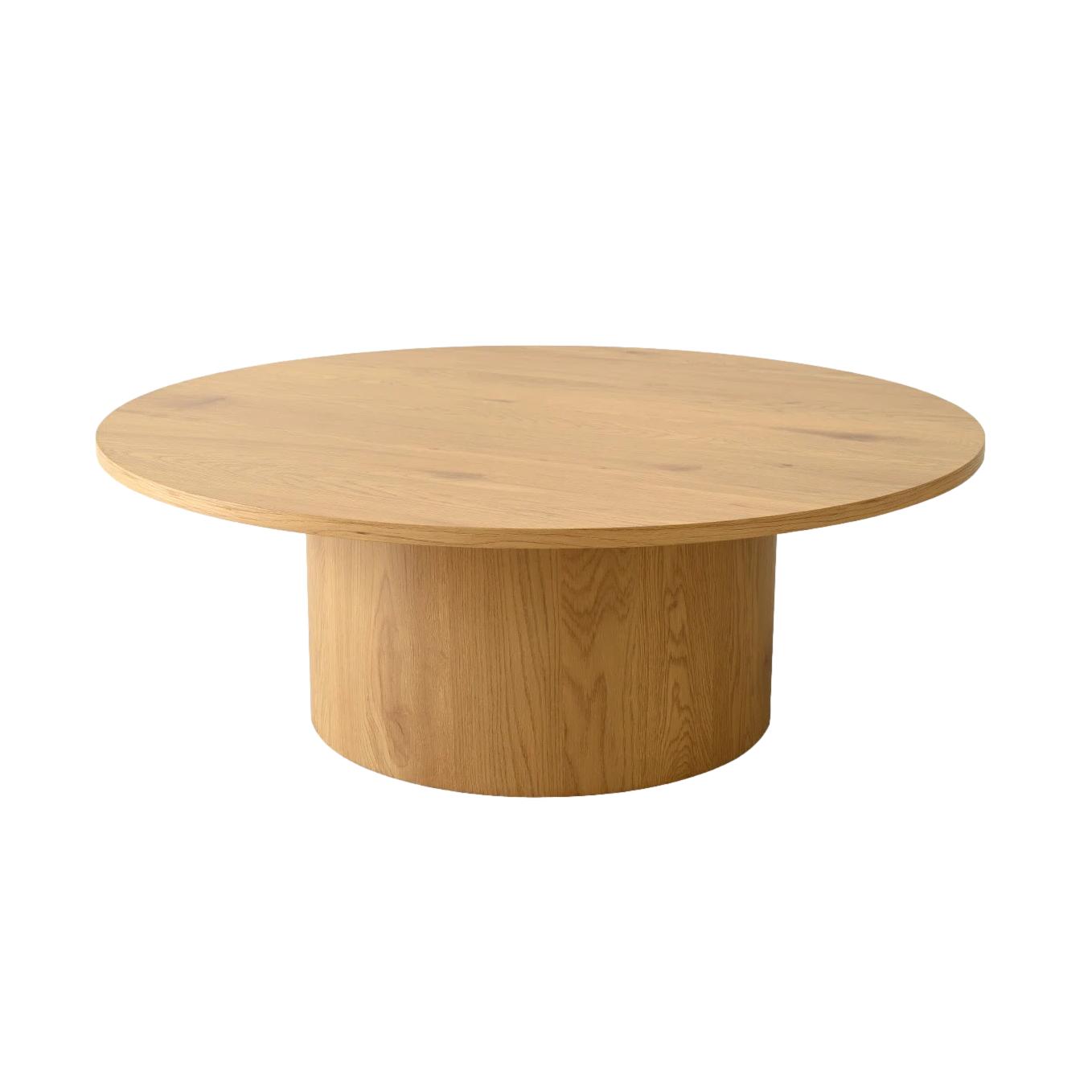
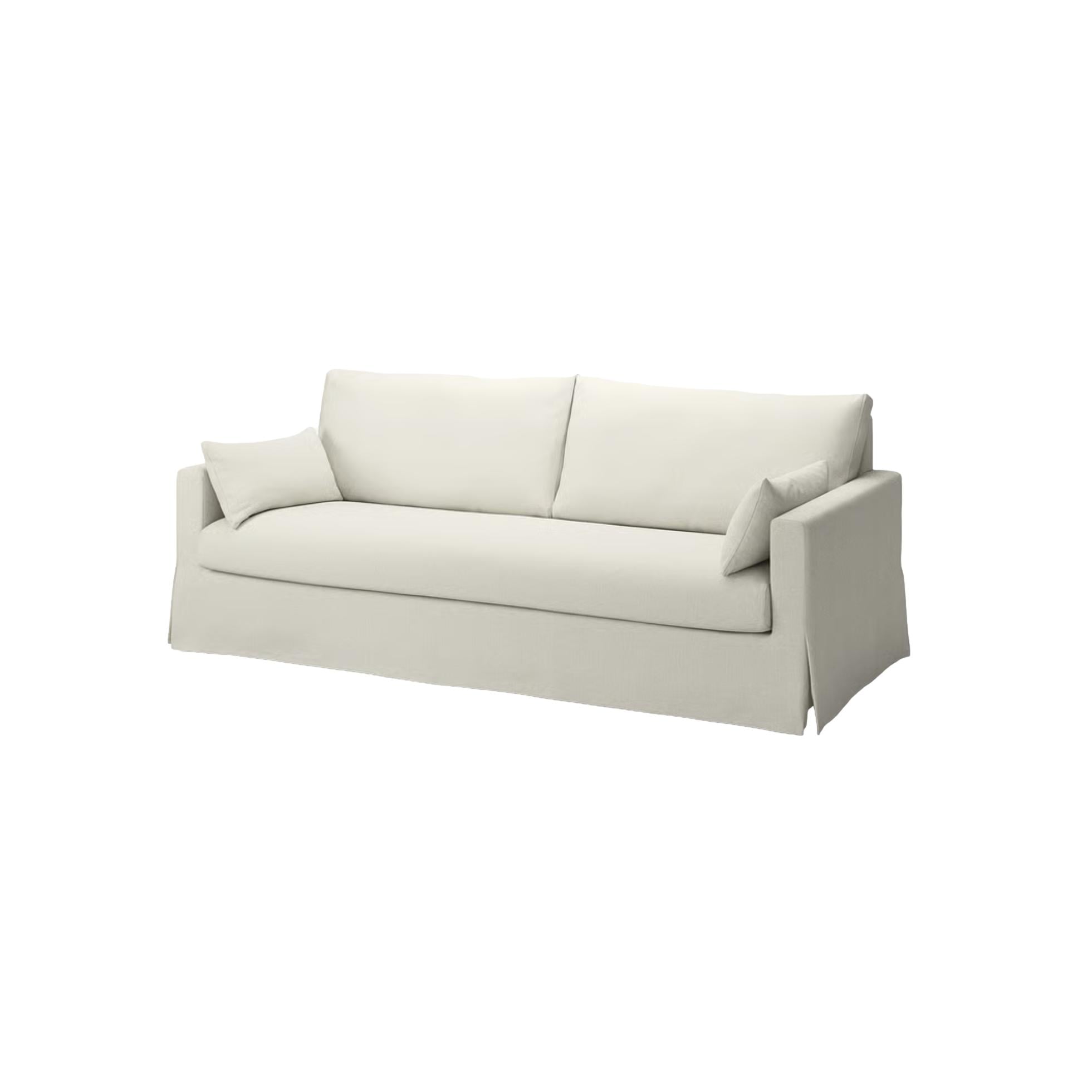
Trendy vs. Timeless Design
Consider Reuse & Resale Potential
Before I commit to a bigger purchase, I ask myself one more question: if I got sick of this in a room five years from now, could it still live somewhere else in my house? A simple, well-made console table can move from an entryway to a bedroom to a home office over the years. A hyper-specific, trend-driven piece, built around one particular color story or one particular moment, usually can’t. That flexibility is worth paying for, and it’s often the real difference between something timeless and something merely well-made.
It’s also worth thinking about whether something could be resold down the road. Something leaning trendy will have less resale value – and be harder to sell.
Trendy vs. Timeless Design
My Rule of Thumb, Room by Room
- Sofas, sectionals, dining tables, cabinetry: Stay classic in shape and material. Save trend experimentation for the color or fabric on top.
- Accent chairs, lighting, decor objects, art: This is where I encourage people to take real risks. These pieces are cheaper, easier to swap, and honestly, the fun of design lives here.
- Rugs and textiles: A great middle ground. A classic pattern in a trendy colorway (or vice versa) lets you get some of both without fully committing to either.
- Hardware and fixtures: Lean timeless here too. These are annoying and expensive to replace once installed, even though they feel like a small detail.
Trendy vs. Timeless Design
Frequently Asked Questions
Is it ever okay to buy something purely because it’s trendy?
Absolutely, as long as it’s a low-cost, easy-to-replace piece, think a throw pillow, a vase, or an inexpensive accent chair. I’d rather someone have fun and take a real risk on something small than play it safe on everything and end up with a room that feels lifeless.
How can I tell if a color or pattern is a passing trend or here to stay?
I look at how long it’s been building momentum, not just how popular it is right now. A color or pattern that’s been steadily growing for a few years tends to have more staying power than something that exploded overnight on social media. When in doubt, put it on a smaller, cheaper piece first.
What’s an example of a “timeless” piece that used to be considered trendy?
Mid-century modern furniture is the classic example. It was extremely of-its-moment in the 1950s and 60s, fell out of favor for decades, and has now been considered a design classic for so long that most people don’t think of it as trendy at all anymore; they think of it as a genre.
Should I avoid trends altogether if I want my home to feel timeless?
No, and honestly, a home with zero trend influence at all can feel a little sterile or showroom-like. The goal isn’t to avoid trends, it’s to control where they show up, on the small, low-stakes pieces, so your big investments keep their value and relevance.
How do I know if a piece is a trend or just not my personal taste?
Ask whether it’s showing up everywhere right now, across multiple brands and price points, or whether it’s simply new to you. A true trend is a market-wide pattern. If you’re just discovering a style that’s actually been around for a while, it’s less likely to disappear as quickly as a genuine trend cycle would.