Function, Function, Function: The One Rule Behind Every Good Design Decision

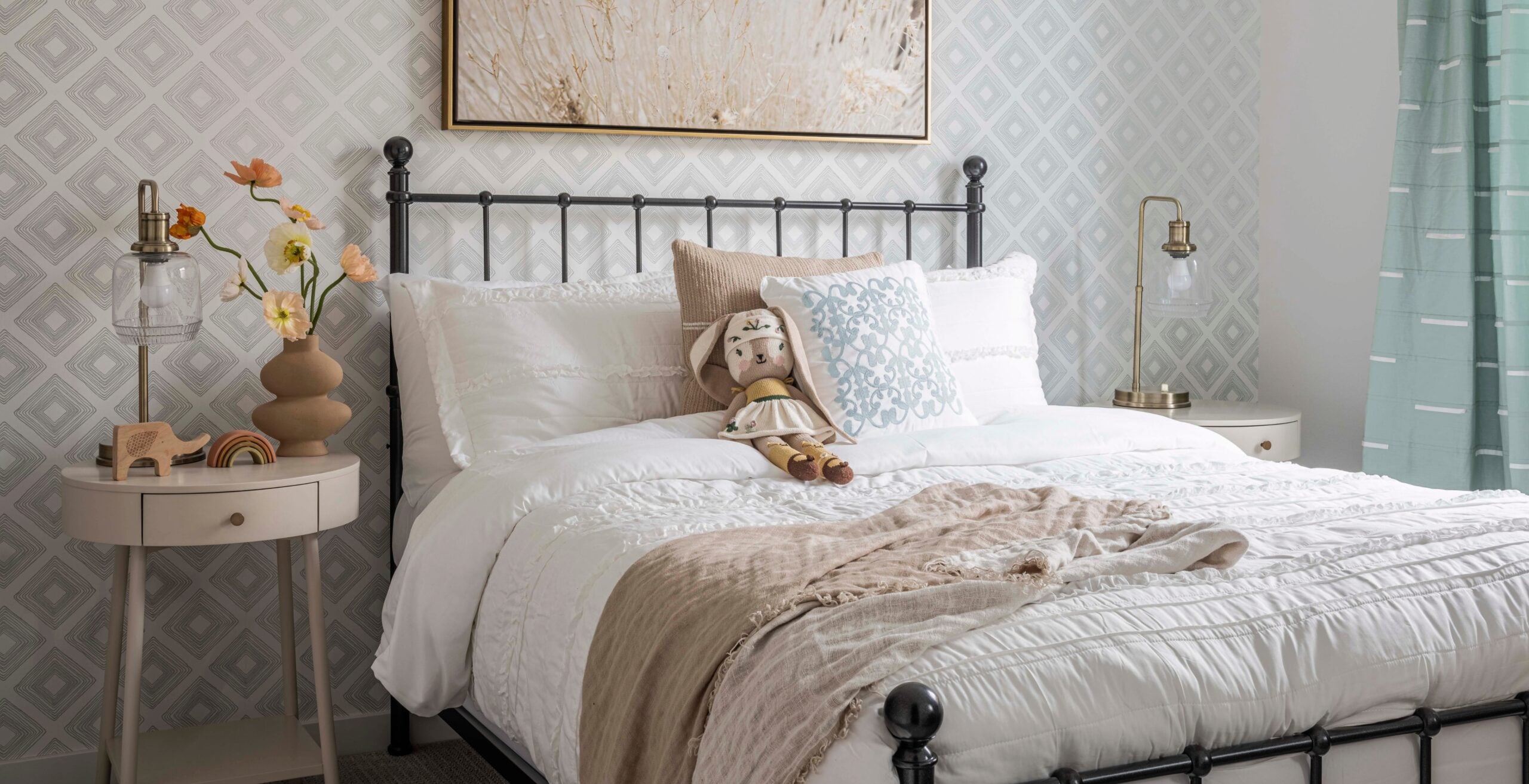
Photo: Kara Mercer
If you take only one idea away from everything I’ve ever said about home design, make it this. Function, function, function. I say it three times on purpose, and I’m not being cute. It’s my number one mantra, the filter every design choice passes through before it’s allowed anywhere near a home.
Here’s why I’m so loud about it. A room can be drop-dead gorgeous and still be a complete failure. The minute a space stops functioning the way you need it to is the minute it becomes, by definition, dysfunctional, and at that point its form is kind of pointless. You’ll feel that friction every single day, even if you can’t name it, and that low, constant hum is genuinely rough on your mental wellness. So let’s get you off the friction treadmill and learn about functional home design.
Learn more design insights from my book, Right at Home, including Why You Don’t Need to Know Your Design Style.
FUNCTIONAL HOME DESIGN
Designing is Planning
Want to know the actual heart of design? It’s not the shopping. I know that’s funny coming from someone who built a furniture line, but it’s true. The heart of design starts eons before the big reveal. It’s all the prep, empathy, and consideration you put into equipping your space for how it’s really going to be used. Here’s the one-word definition: designing is planning.
It’s the thing you think through before you pull out the credit card, the dress rehearsal where you work out the kinks before the big show. Great design can only come from a great design plan. You wouldn’t start a meal without a recipe to guide your prep, or set off on an amazing road trip without figuring out the itinerary first. Designing a room works the exact same way, and that planning stage is where the magic happens.
Design also happens after you think you’re done. Because when your needs change, your design should too. I get calls and texts all the time asking where to move a couch, because the redesign is often where you really get it right, after you’ve gathered real-life data about what’s working and what isn’t. Chairs wobbling? Invest there. Need more storage? Free up a wall. Kids getting taller? Phase some pieces out. As the designer Ian Spalter says, design is never done. And as Ilse Crawford puts it, design isn’t just a visual thing, it’s a thought process.

FUNCTIONAL HOME DESIGN
Function Leads, Form Follows
Here’s exactly how I work, every time. When you think through what a room needs to do, both practically and emotionally, right at the start, you’re guaranteeing the maximum return on investment in terms of how it’ll make you feel at the end. So, function always leads my exploration at the beginning of a project. Form is what follows, once I know exactly how the space needs to work for the people using it.
Let me show you the dance. Say you love a minimalist look, but you’re strapped for storage in a tight space. Function speaks first: prioritize furniture with legs to free up the floor and make the room feel open, and find smart hidden storage so your stuff has a home. So I start with that function, then account for the minimalist preference with clean lines, something Japanese-inspired, opting for leggier pieces. Then, and only then, form makes it sing, with warm natural materials like bamboo, a piece of wall art you love. The function sets the structure. Form made it beautiful. Without function driving the plan, you’re really just assembling a museum exhibit, or at best a fake model home, instead of a place that works for real life and real people. Form and function are inseparable in the end, but function is always the first filter.

FUNCTIONAL HOME DESIGN
Death by a Thousand Paper Cuts
You might think something as minor as a disorganized medicine cabinet doesn’t do much harm. But home design is an incremental experience. Think of it as death by a thousand poorly designed paper cuts. Good or bad, design is an invisible series of micro domino effects that come together to create the environment you experience viscerally, with all five senses.
Take Exhibit A: the messy medicine cabinet, nicknamed the AM/PM Nightmare. It’s the first thing you see in the morning and the last place you thought to organize. The evaluation? If only eight things fall into the sink, it’s a good day. So yeah, it’s time. Here’s the kicker: even if you got up on the right side of the bed, a tumbling cascade of toothpaste, ibuprofen, and Q-tips will always negate that. Fewer reasons to be annoyed in the morning will always be good for your mental wellness. That’s the whole game, hunting down these small functional failures and fixing them one at a time, because if your home piles more onto your plate instead of taking things off it, it’s doing the opposite of restorative. In an already stressful world, the worst thing your home can do is add to the load.
For even more info on function in your home and much more, check out my book, Right at Home.
FUNCTIONAL HOME DESIGN
The Subtle Signs Something isn’t Working
Saying no to poorly functioning design takes a mix of physical and emotional labor, which is exactly why we put it off. That ugly bulky dresser is a physical hassle. Your broken first clarinet from band camp is an emotional negotiation. And dysfunction gets genuinely hard to spot, because over time we get so used to living in it that we stop seeing it, like the proverbial frog in the pot of slowly boiling water. Here are the telltale signs to watch for:
There’s an underlying dread
If you feel that “ugh” in your bones every time you have to deal with something, a whole room or just a neglected corner, that’s a sign there’s something to confront. Procrastination’s real name is usually Dysfunction I Don’t Want to Face.
There’s a backstory
Disclaimers are dangerous. If you catch yourself explaining how things work (“the microwave handle is wonky, we keep trying to super-glue it”), ding ding ding, that’s something to deal with.
There are extra steps
Little workarounds that became second nature because you’ve folded them into your routine for so long, you don’t even question them anymore. Those invisible steps are dysfunction hiding in plain sight.
“Before you buy any piece of furniture, finish this sentence out loud: “This needs to help me ___.” If you can’t fill that blank with something real and specific, you’re shopping for looks alone. ”
FUNCTIONAL HOME DESIGN
Beauty Has a Function Too
Don’t get me wrong. Functional design can and should look amazing. It’s me you’re talking to, you don’t get emotional at my reveals for nothing. Beauty inherently serves an important function in our lives, and so does your happiness. Adding visual interest to a space is genuinely a function in its own right. So this was never function versus beauty, like they’re enemies.
But here’s the warning. Design that doesn’t function isn’t always even an eyesore. Gorgeous design can be just as nonfunctional as not-so-gorgeous design, sometimes more. In the same way toxic relationships and situations affect your mental health, “toxic” home design does too. So make it beautiful, absolutely, but let the beauty flow organically out of function, never the other way around.
FUNCTIONAL HOME DESIGN
The Pieces that Pull Double-Duty
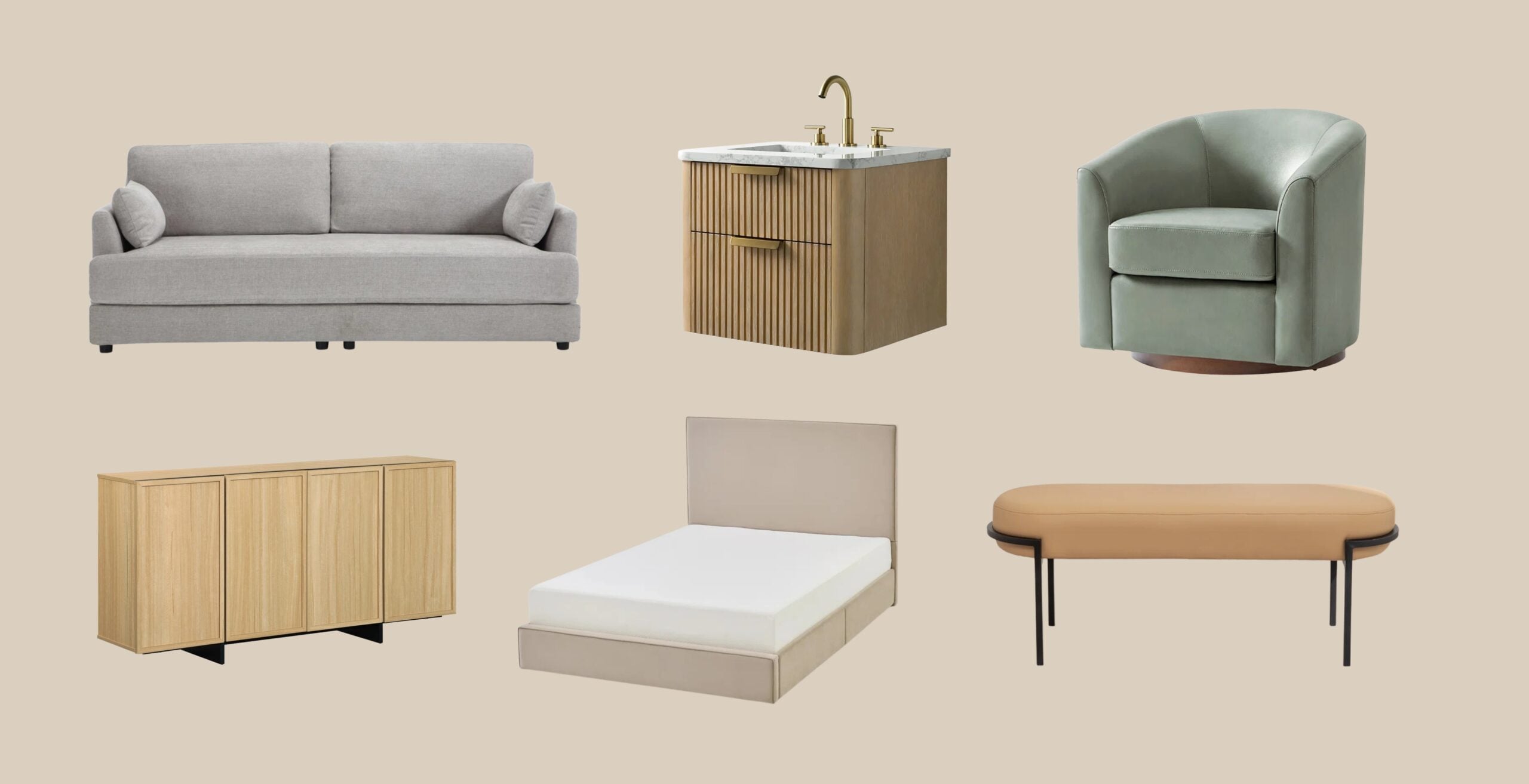
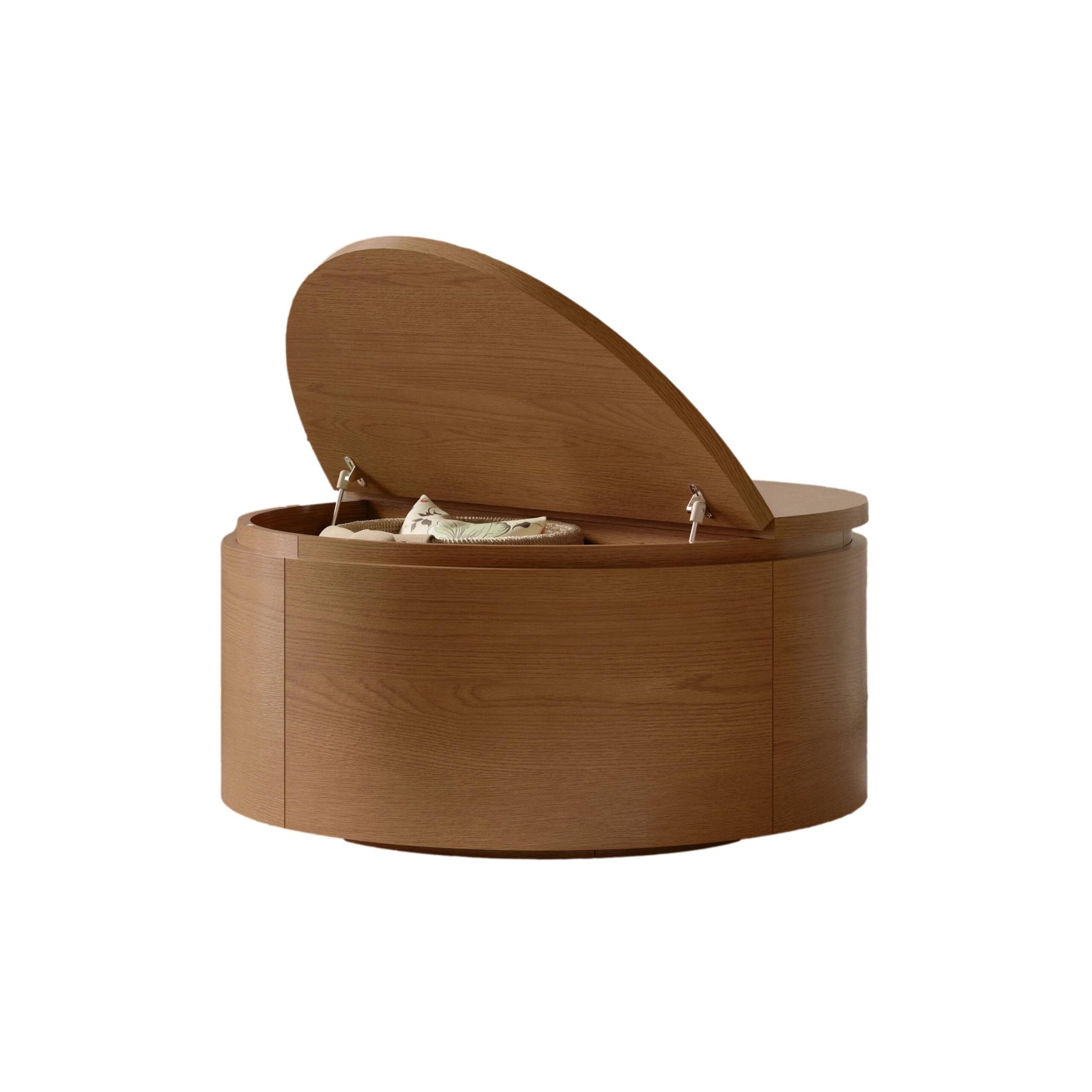
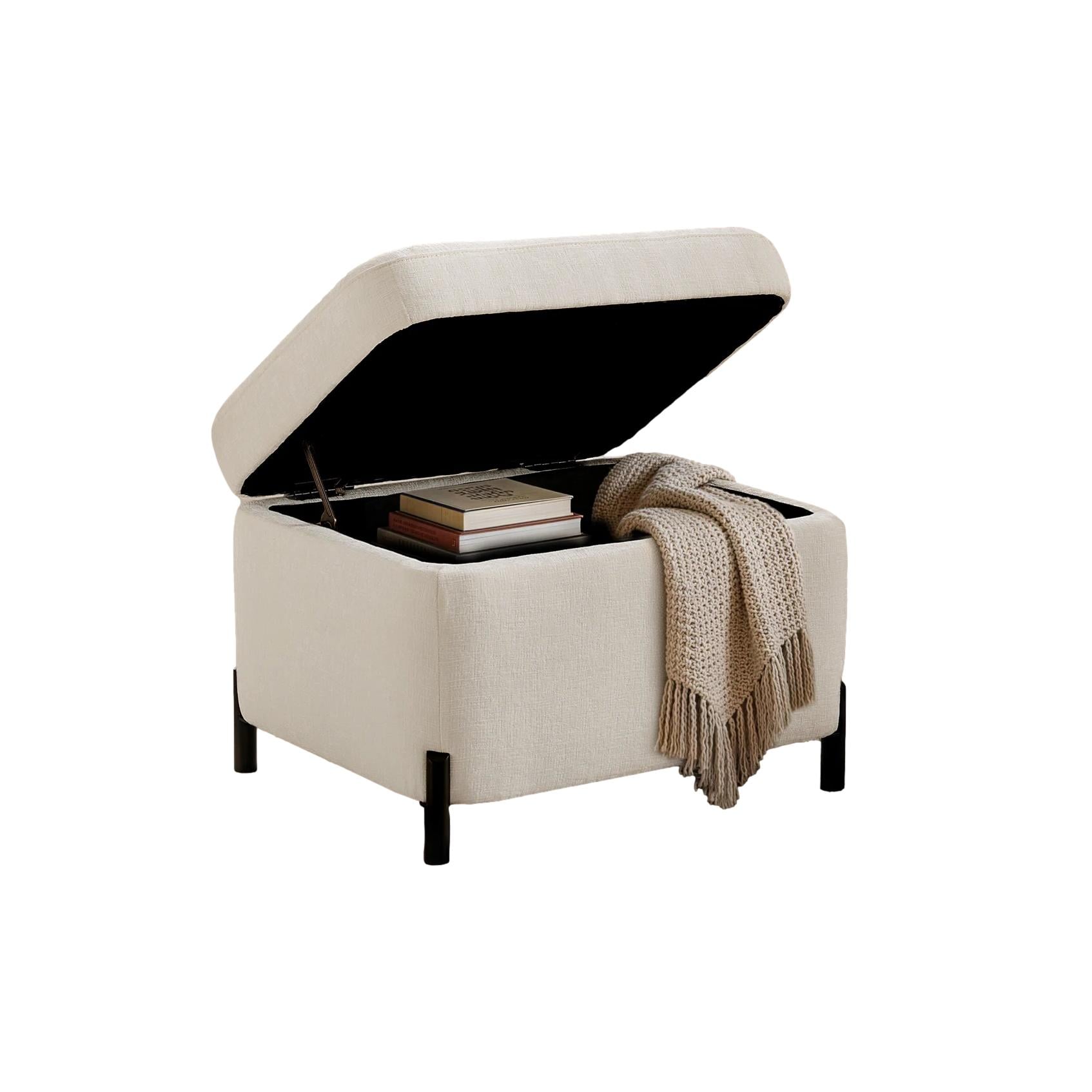
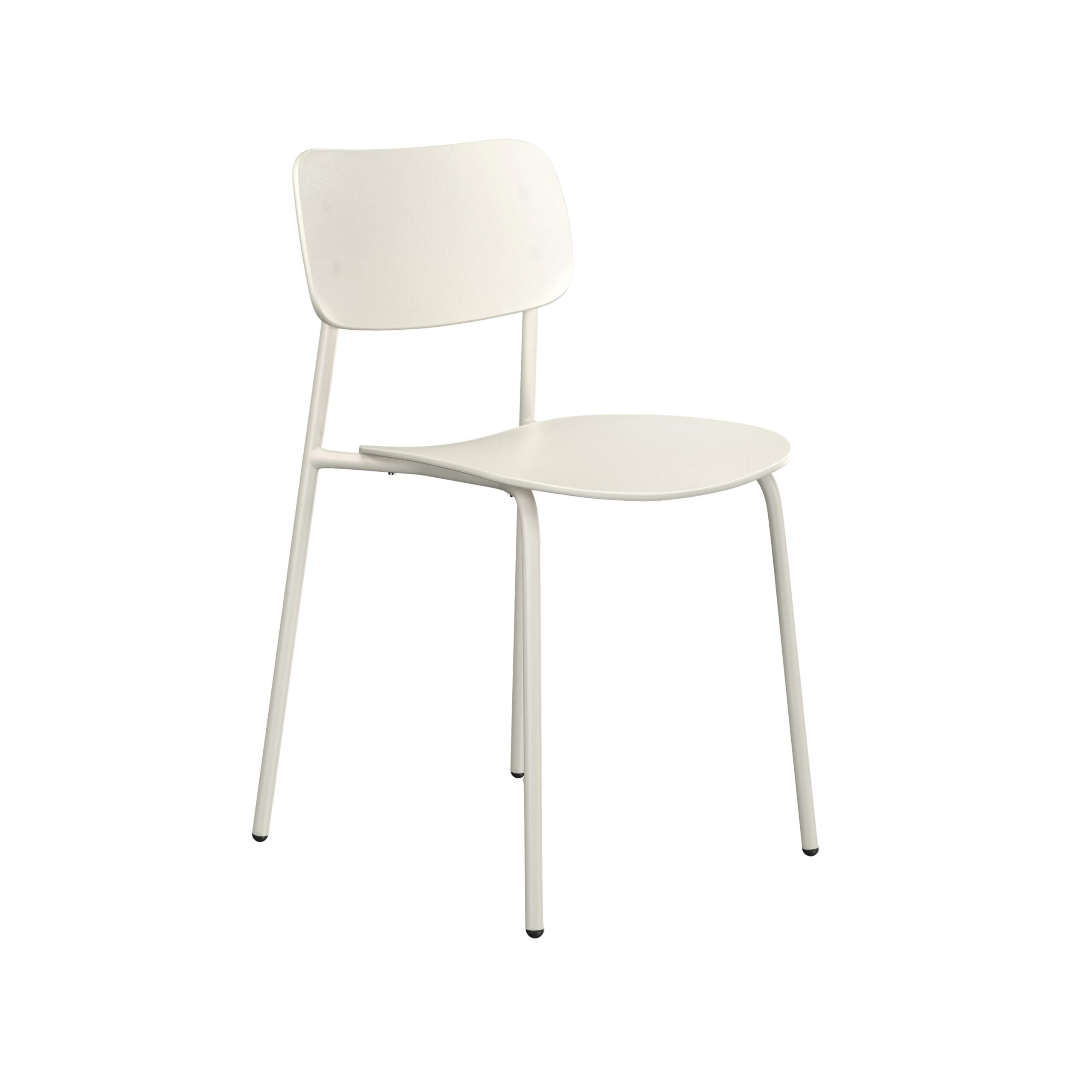
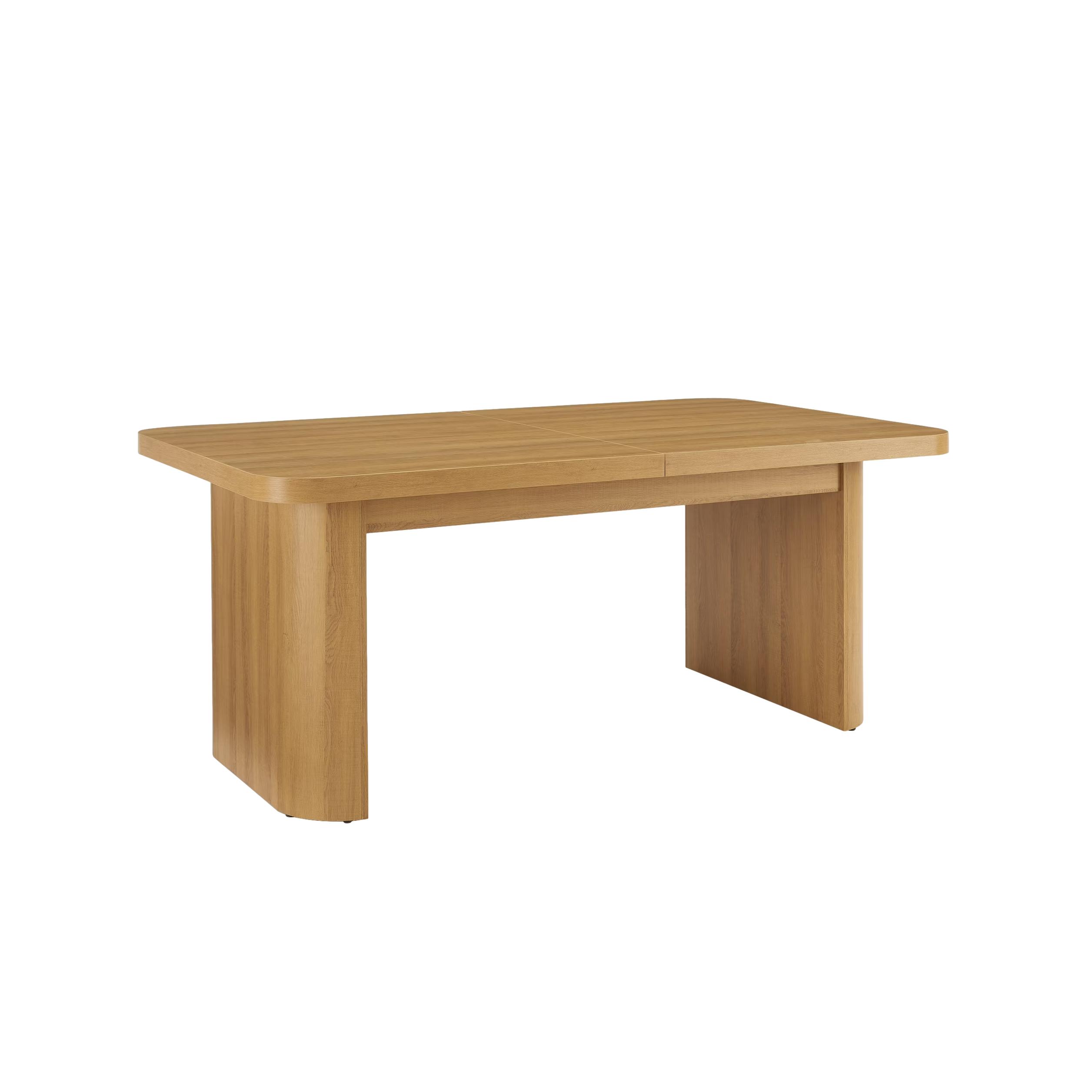
The secret weapon of function-first design is furniture that earns its keep two or three times over. Storage that hides the mess and gives you a place to sit. Pieces that adapt as your needs shift instead of going obsolete the moment life changes. See my picks for double-duty furniture below.
FUNCTIONAL HOME DESIGN
The Bottom Line
Beauty is wonderful, and I’m in the beauty business. But beauty that doesn’t function is just a costume, and you don’t want to live inside a costume. Remember that designing is planning, lead with how your space needs to work, watch for the dread and the disclaimers and the invisible extra steps, and let style flow out of function rather than fighting it. Do that, and your home takes care of you instead of quietly cutting you with a thousand small paper cuts. Say it with me one more time, and mean it. Function, function, function.
This article is adapted from my book, Right at Home: How Good Design Is Good for Your Mind. For the full deep dive, including room-by-room guides and interactive workbook activities, grab your copy here.