You Don’t Need to Know Your Design Style. Here’s Why

Photo: Sara Ligorria Tramp
Let me guess. Somewhere in the back of your mind, there’s a quiet worry that everyone else got a memo you missed. The one that explained what their design style is, the one that lets people casually say “oh, I’m a coastal grandmother with a Scandinavian streak” without breaking a sweat. And you’re standing there thinking, I have no idea what I am, and now I’m afraid to buy a throw pillow in case it’s the wrong throw pillow.
Breathe. I’ve got genuinely good news. Don’t know your design style? Your design style is literally Anything That Makes You Happy. Even if what makes you happy doesn’t have a formal name, it still counts because happiness is amazing for your mental health. So there you have it. Knowing your style is not the prerequisite you thought it was.
Let me show you why, and how to find your design style without ever answering the dreaded question.
Learn more about Interior Design Styles: The Complete Guide to Every Type.
your design style
Let’s Normalize Not Asking “What’s your Aesthetic?” Ever.
I want to retire one question for good. I’ve found over the years that “what’s your design aesthetic” is just too broad to be helpful, especially if you’ve never really thought about it before. Trying to answer it is honestly intimidating, and it tends to catapult your mind into a hectic scramble to remember the last thing you saw on Pinterest, or to recall something vaguely interesting from the rogue Architectural Digest you were rifling through while waiting for a tooth cleaning.
Besides, the best designs often defy labels anyway. At least mine do. Good design can have a loose direction and some foundational ideas, but in the end, it usually amounts to a unique, interesting, harmonious mix of different styles that are, first and foremost, set up to function for the person living inside them. So if I hand you a stack of design photos and ask you to pick one, you’ll invariably start writing a shopping list to replicate exactly what you see. That might make a great post or earn you compliments next time people come over, both lovely things, but it won’t give you a space that reflects your real style or functions for what you’d actually use it for. So let’s change the conversation.
For even more info on design style and much more, check out my book, Right at Home.

Photo: Sara Ligorria Tramp
your design style
Your Closet Already Knows Your Design Style
Still don’t believe you have a style? Let’s take a look at your closet. I often pull a lot of my ideas for texture, color palettes, and general direction from a quick peek at someone’s fashion choices.
Whether or not you think of yourself as a fashion-conscious person, the choices you make with your clothing, even the ones you’d call mindless or purely practical, are still, on some level, conscious decisions you make to express yourself in the world. Which means you do have a style. It’s just a matter of having your friendly neighborhood designer point it out. Over the years, I’ve found the closet comes closest to revealing someone’s home design style, because clothing choices are so personal. But you can run this with any corner of your life. Scope out your kitchen, the way you’ve arranged your desk, what’s on your nightstand or your vanity, and how your entryway is set up. Treat it almost like you’ve broken into your own home and you’re hunting for clues about who this person is. That, incidentally, is a lot of what I did on Queer Eye. I glean everything I can from how a home is first set up, so the new design reflects who the person actually is instead of being a shiny space that doesn’t feel like them at all.

Photo: Sara Ligorria Tramp
your design style
Found in Translation
Here’s the part that really sets people free. When I say anything that makes you happy can become a design style, I mean anything. Your favorite fruit can become a textural pillow cover that adds interest without introducing a single new print. Your favorite album can become art. Chunky sweaters in your closet hint at a chunky knit throw on your sofa. A leather jacket you live in points to a leather sofa or chair you’ll love just as much.
The translation from “thing I love” to “thing in my home” is where your real style lives, and it’s a far better starting point than copying a room off the internet. You’re not picking a label off a menu. You’re noticing what you already love and translating it into the space.
your design style
The Design Spectrum is Real (and Your Spot on it Moves)
So picture a line. On one end, the people who are absolutely certain, committed to their look, able to name their palette in their sleep. On the other, the people who genuinely could not tell you their style if their life depended on it and feel a little stressed even being asked. Most of us float somewhere in the messy middle.
Here’s the part nobody tells you: your spot on that line moves, and it’s supposed to. The style that felt exactly right five years ago might feel like a stranger’s coat now, and that isn’t a failure. That’s you growing. Big life changes rearrange what you need from your home, sometimes overnight. A new baby. An empty nest. A job that went remote and turned your dining table into an office. When your life updates, your space is often still running the old software, and that mismatch is usually what’s behind the nagging feeling that your home just doesn’t fit anymore. Nothing’s wrong with you or your taste. You just need to install the update.

your design style
How to Actually Find Your Style
When someone genuinely feels they have no idea what their style is, here’s my exact approach: take the pressure off and just think about all the other things in your life you like, love, or are obsessed with. Your favorite food. Your tendency to reach for sneakers over boots. That one movie you can rewatch endlessly without getting sick of it.
Don’t get hung up on not knowing how to pick a style. Just collect what makes you happy and look for the through-line. Maybe it’s warm woods showing up again and again. Maybe it’s a particular moody blue. That through-line is far more honest than any label, because it came from your gut instead of a category someone else invented. And once you’ve got it, you can mix with confidence. A midcentury sofa in an unexpected color. A modern print beside a traditional silhouette. The rules say those shouldn’t go together. The rules are wrong. Confident mixing is exactly what makes a room feel like a real, specific human lives there.
“If mixing makes you nervous, repeat one element to tie the whole thing together. The same warm metal finish on the lamp, the drawer pulls, and the picture frames. One color echoed in three spots around the room. A single repeated thread is what makes a bold mix read as collected and intentional instead of accidental. It’s the quiet trick behind almost every “how did they make that work” room you’ve ever admired.”
your design style
The Freedom in Not Knowing
When you finally stop cramming yourself into a category, something wonderful happens. You stop second-guessing every choice against an invisible rulebook and start choosing based on what actually makes you happy, which is your mind’s best friend. A home built on what you love, rather than what you’re supposed to love, supports you instead of performing for an audience that isn’t even there.
That’s the only version of design I care about. Not the kind that impresses a stranger scrolling past in two seconds, but the kind that meets you at the door at the end of a long day and reminds you that you’re home. You’ve been sitting on the answers to this test the whole time. Say hello to your instincts. Like Dorothy, you had the power to bring yourself home all along.
Build Your “I Love This” Starter Kit
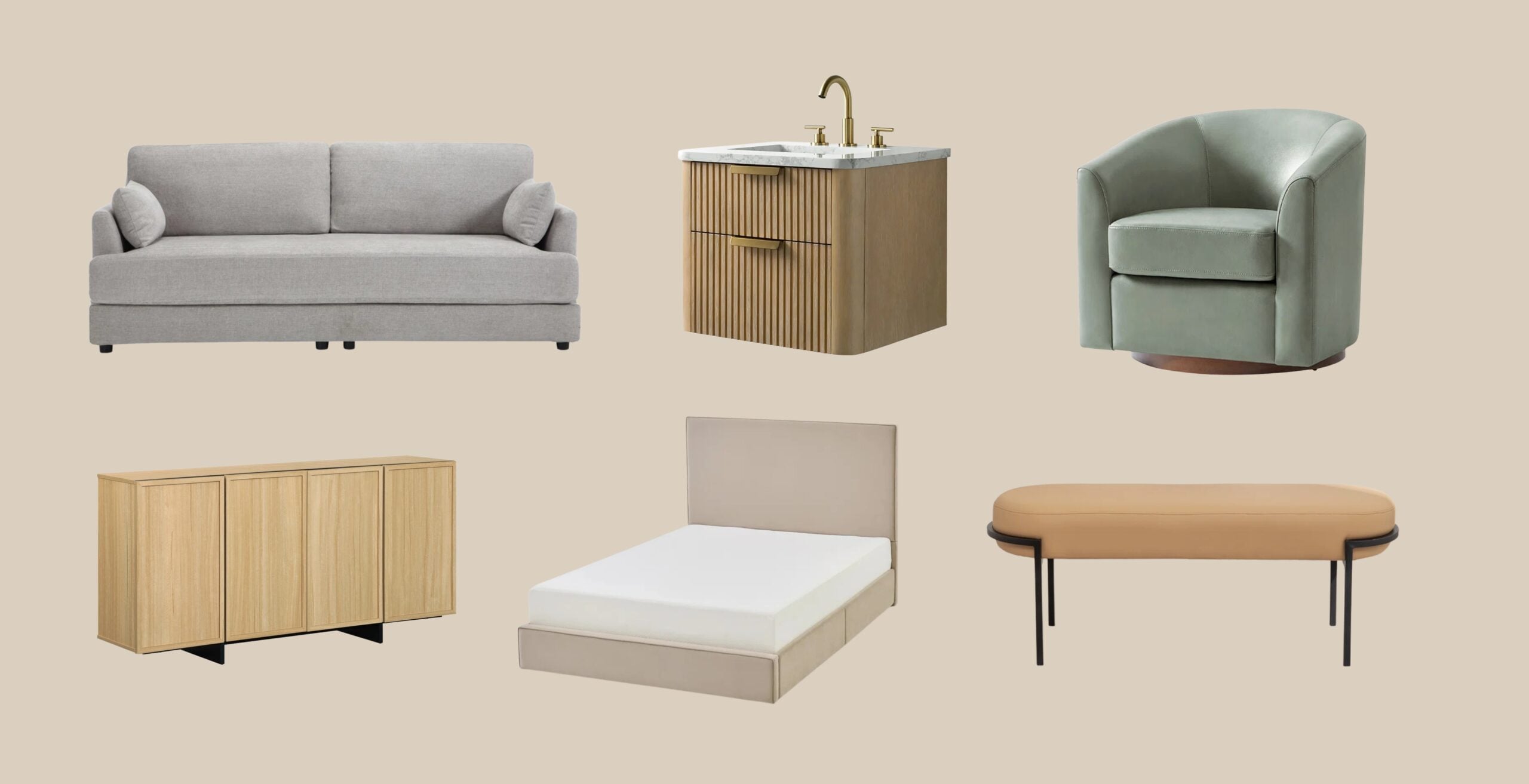
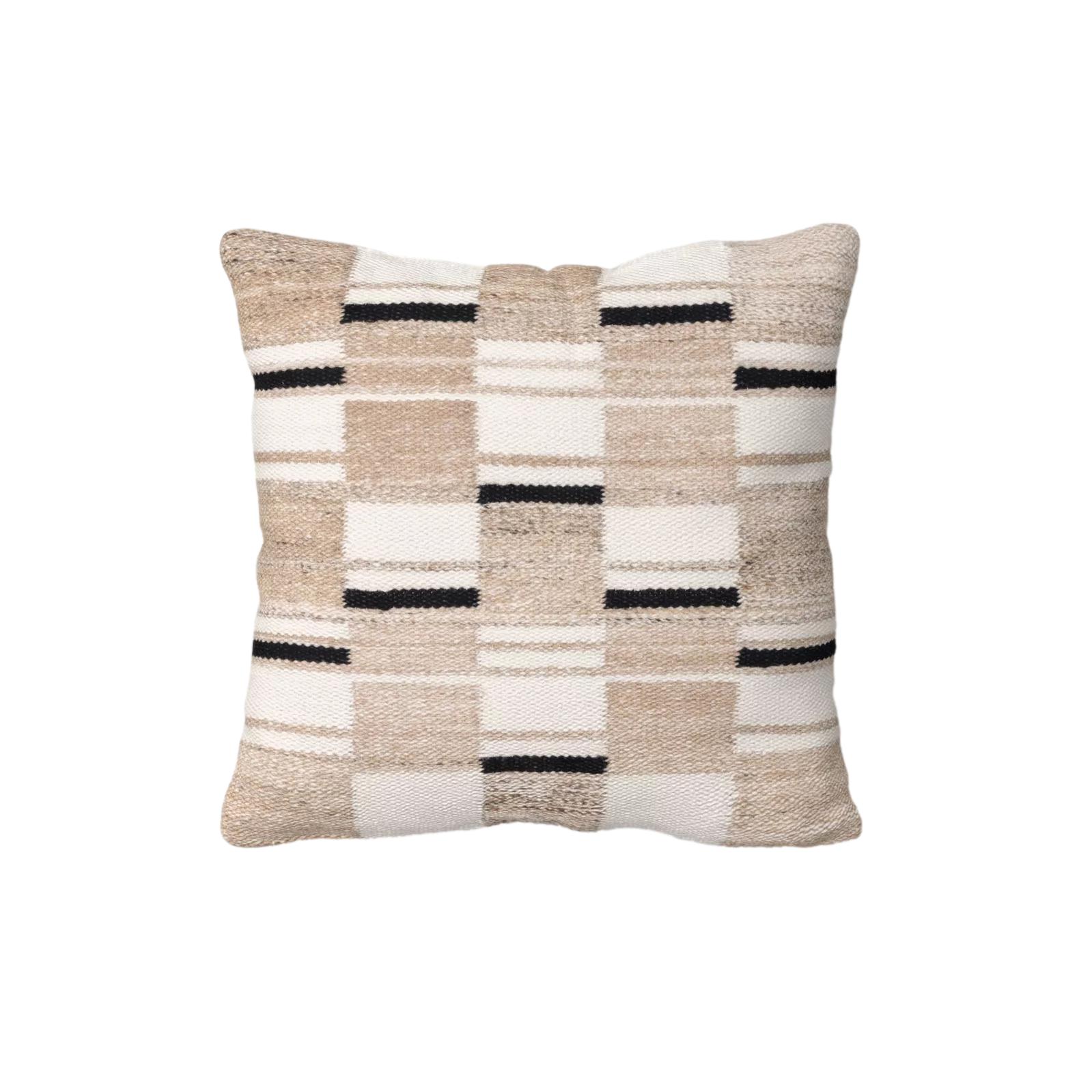
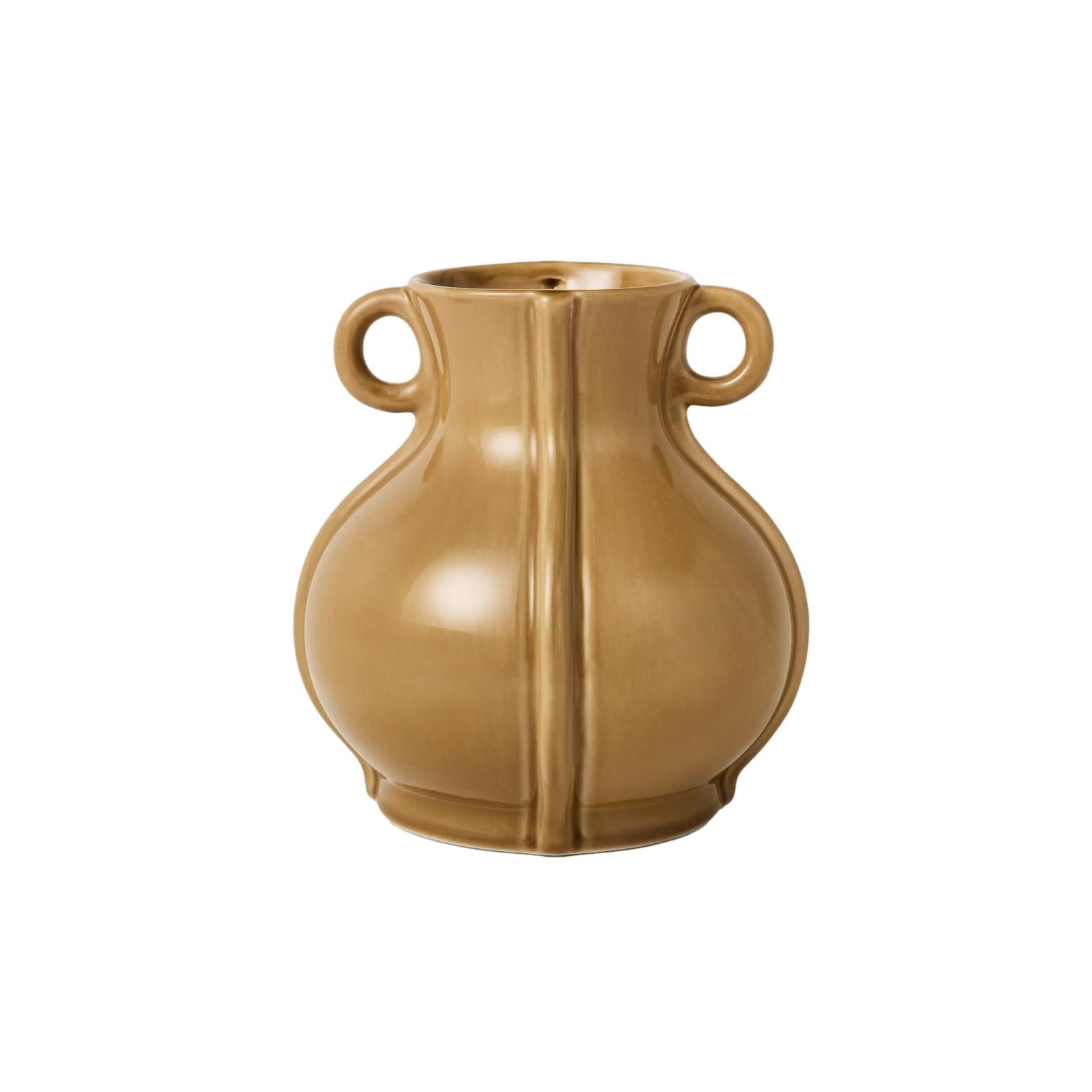
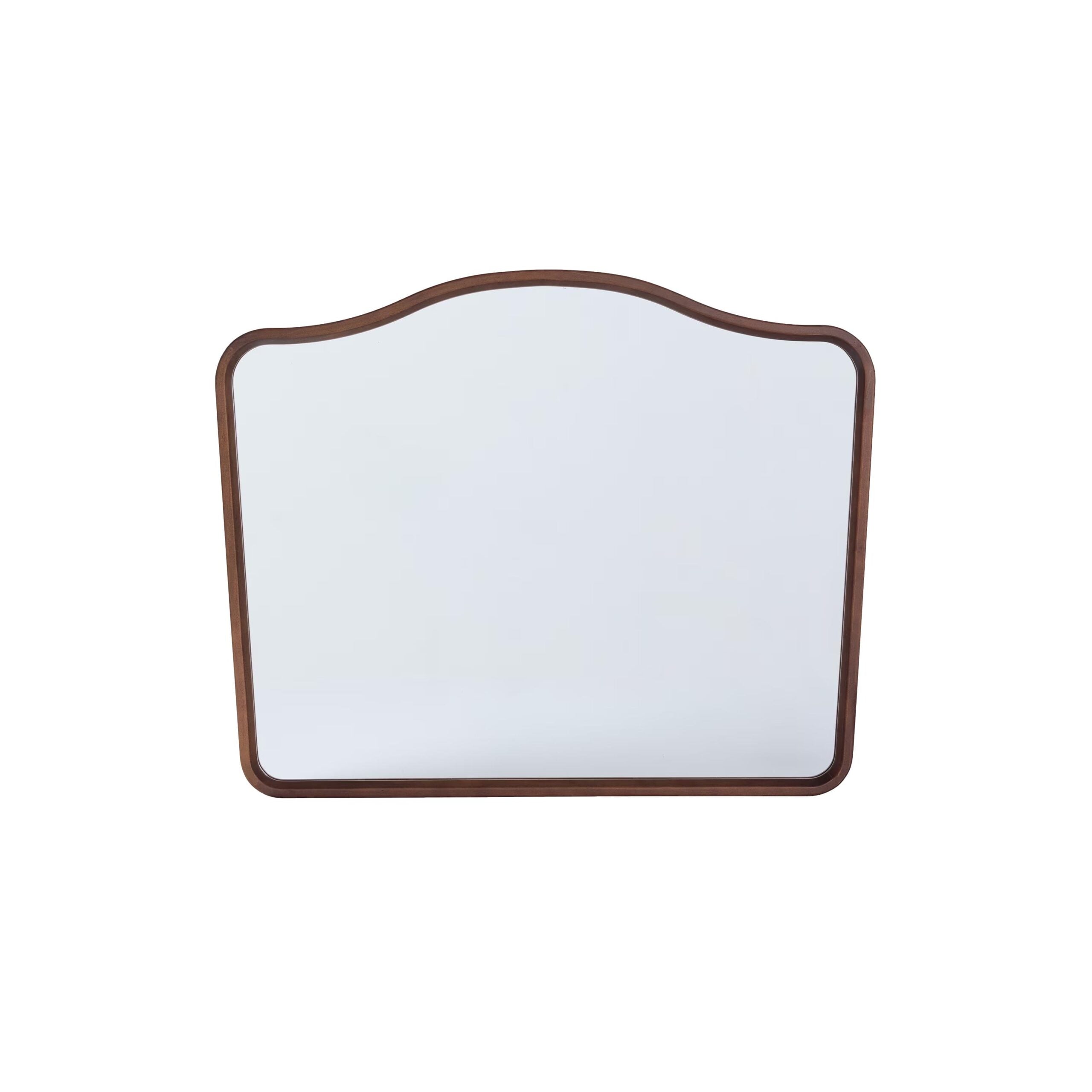
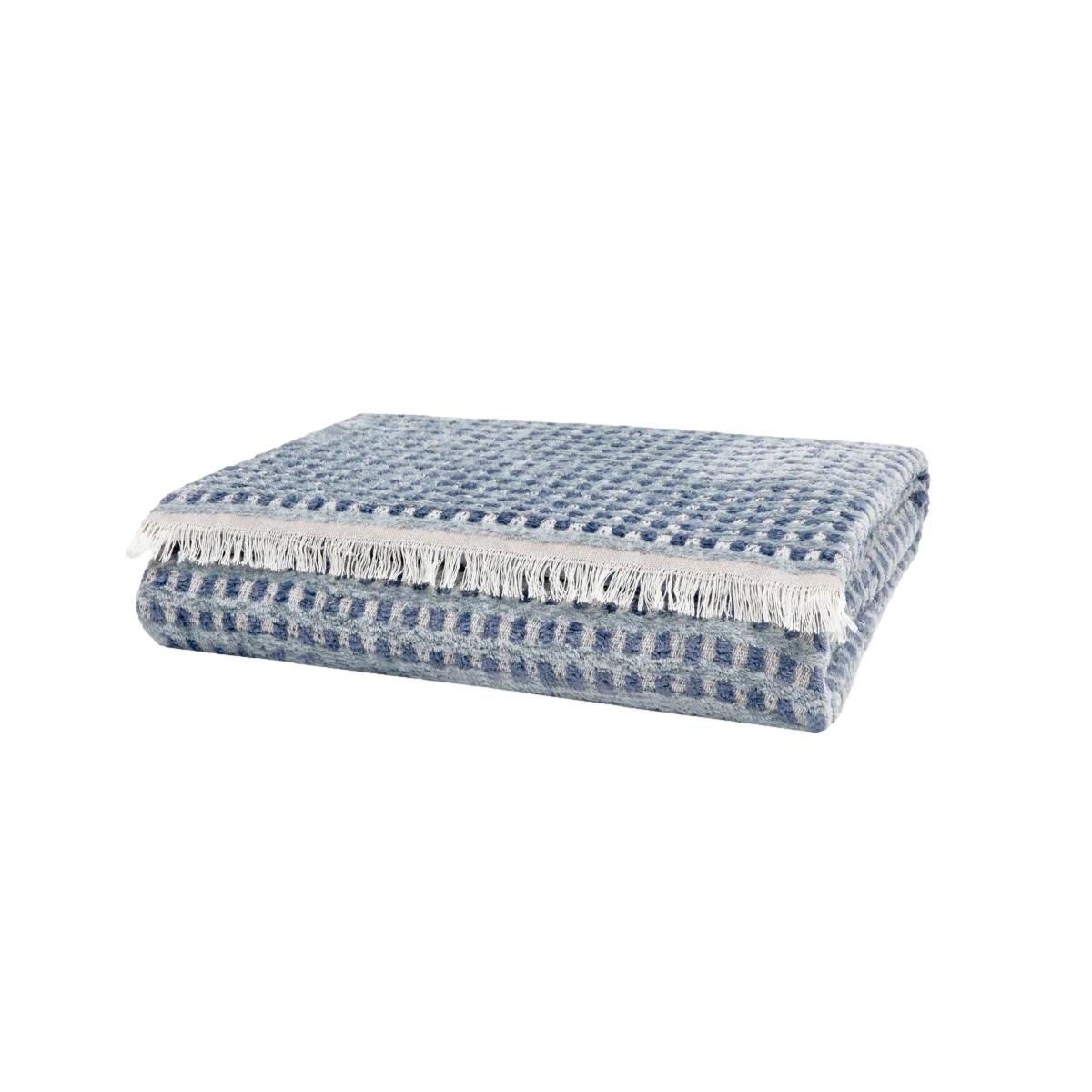
The beauty of skipping the label is that you get to start small and cheap. Swappable pieces let you test what you love before committing to anything permanent, so you experiment your way toward your taste instead of trying to declare it all at once.
your design style
The Bottom Line
You don’t need to know your style. You need to know yourself. Stop asking “what’s my aesthetic,” start raiding your closet and your life for clues, translate what you love into the space, and trust that the picture comes into focus on its own. It always does. So the next time someone asks what your design style is, you’re allowed to smile and say “mine.” That’s the only correct answer there ever was.
This article is adapted from my book, Right at Home: How Good Design Is Good for Your Mind. For the full deep dive, including room-by-room guides and interactive workbook activities, grab your copy here.