How to Choose the Right Bedside Lamp: Size, Height & Style Guide

Photo: Kara Mercer
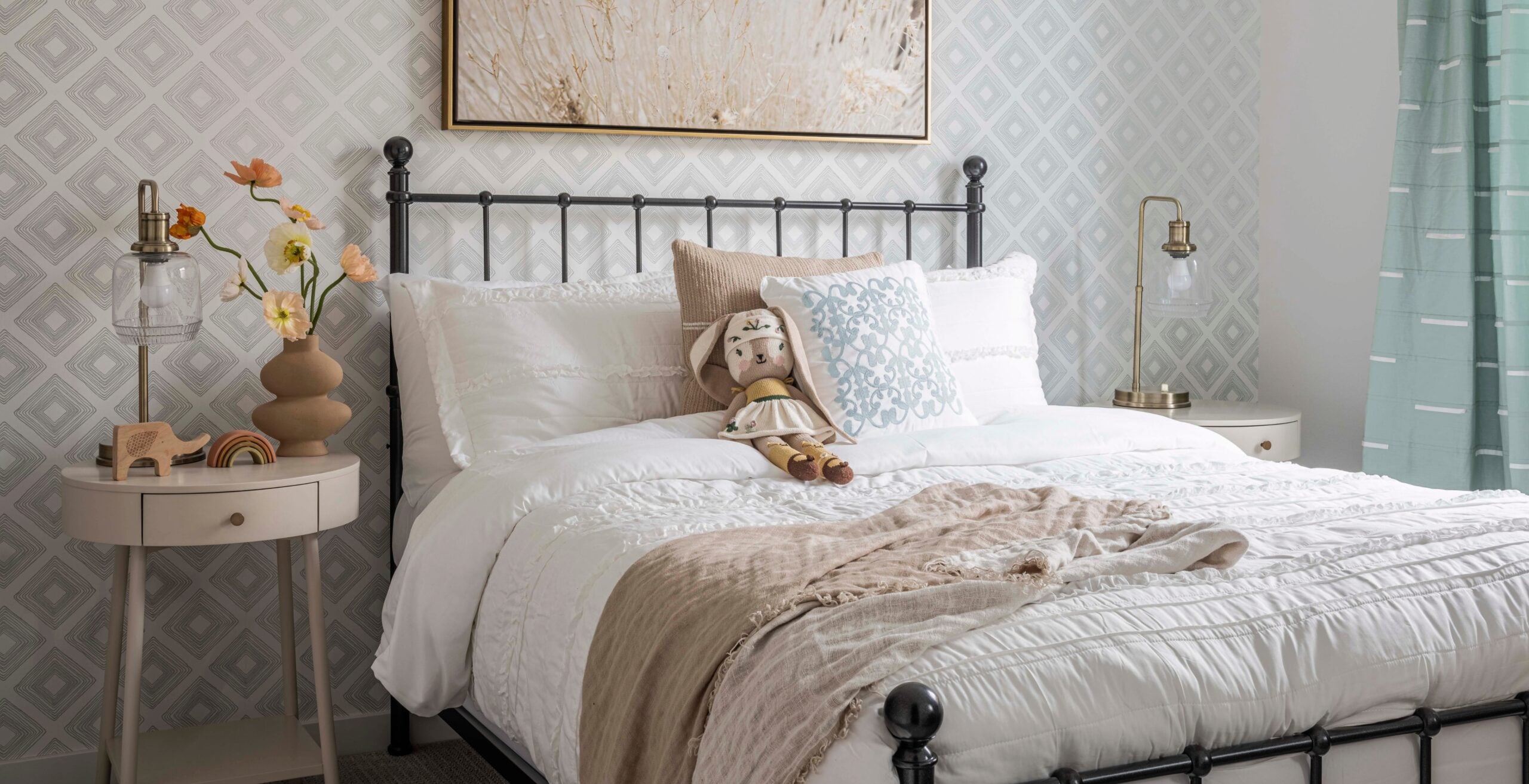
Not all lamps are created equal, and that’s especially true on a nightstand. A lamp that’s too tall shines straight into your eyes at bedtime. One that’s too short gets lost next to a stack of books.
Getting the right size, height, width, and shade style is what separates a nightstand that looks finished from one that looks like an afterthought. But I’m here to help with my bedside lamp size guide, plus 12 of my favorite picks, all under $150.
For more lighting advice, check out the Best Lighting for Mental Health at Home and The Best Lamps Under $100.

Bedside lamp size guide
What To Look For In A Bedside Lamp
Not sure what lamps will look best on your bedside? Keep these 4 factors in mind to find the perfect option.
WHAT IS THE RIGHT WIDTH FOR A BEDSIDE LAMP?
The size of your nightstands (and bed) should determine the overall size of your lamp. (Keep in mind that the larger your bed, the larger the nightstands should be.) If you have a wide nightstand, a wider lamp is needed to match the scale. As an overall rule, your lamp should be about one-third the width of the nightstand. You can determine this by measuring the lamp’s widest point, whether it’s the base or the bottom of the shade.
HOW TALL SHOULD A BEDSIDE LAMP BE?
Height is equally important to find the right scale for your lamps. And it’s especially important if you’re reading in bed (as you don’t want the light over your head or shining right in your eyes). Unless you have an extremely low bed or low headboard, you want your lamps to be around 22 – 27 inches high. You can also follow the rule of taking the height of your nightstand and adding an extra 2 inches to determine the height of your bedside lamps.

Photo: Kara Mercer
HOW DO I CHOOSE THE STYLE FOR A BEDSIDE LAMP?
You want your bedside lamp to create some contrast with your nightstand, whether it’s through color, texture, material, or the shape of the base. A light-colored lamp will pop against a dark nightstand, while a more cylindrical or organic-shaped lamp will create visual contrast against a linear bedside table.
WHAT IS THE RIGHT SHADE FOR A BEDSIDE LAMP?
A lamp with a fabric shade will provide softer, diffused light that is ideal for lighting the room and for bedtime activities. You can also opt for a metal shade, which provides a more directional light source that works well for reading.
Bedside lamp size guide
My Favorite Bedside Lamps for Under $150

Ceramic and Brass White Table Lamp
A slender white ceramic lamp will create a lovely contrast on a wooden nightstand.
WORKS BEST WITH: Transitional or Glam style. A medium wood or black nightstand.
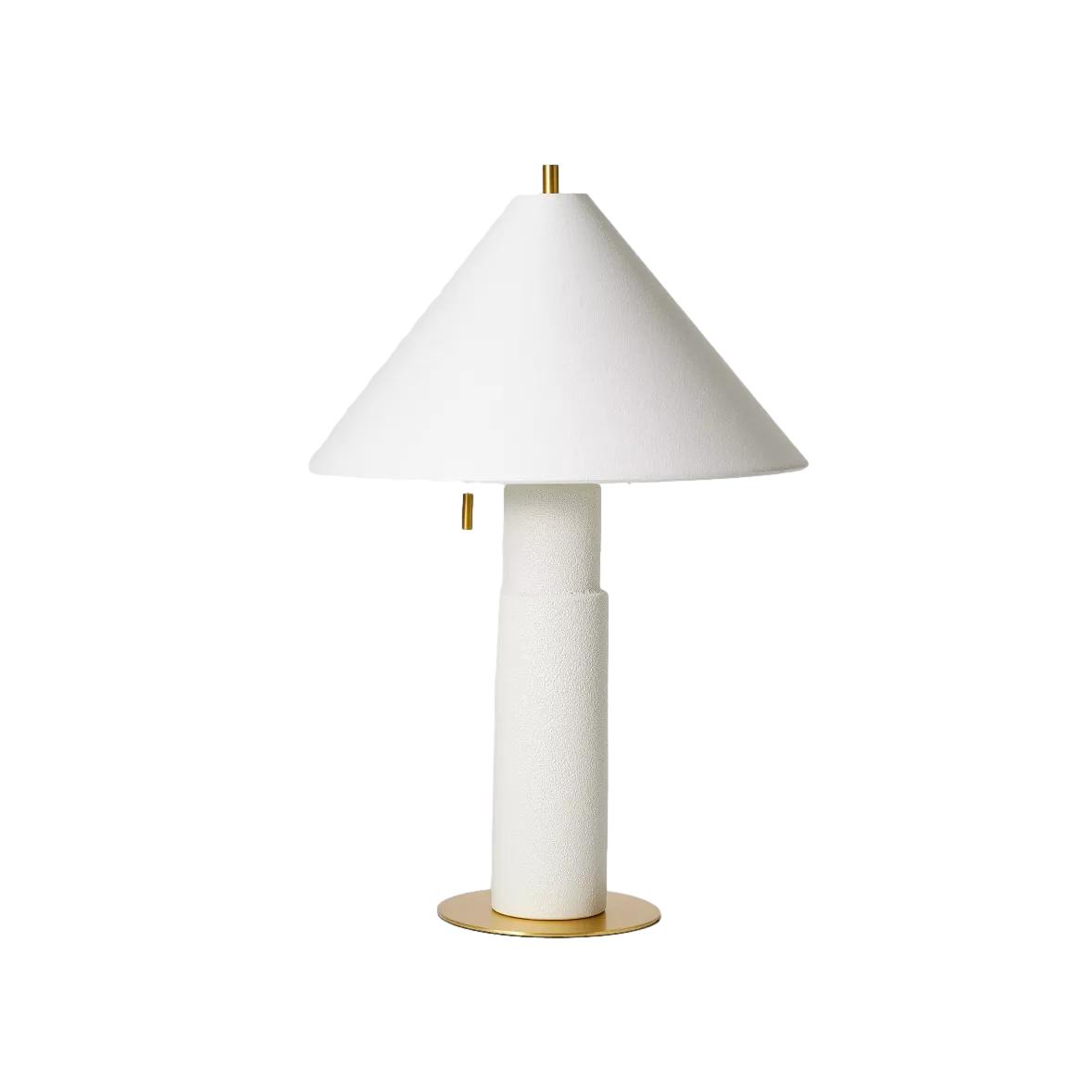

Table Lamp With Tapered Rattan Shade
A cool rattan shade makes this lamp stand out and adds lots of design personality to your bedside.
WORKS BEST WITH: Coastal or Boho style. A white or light colored nightstand.


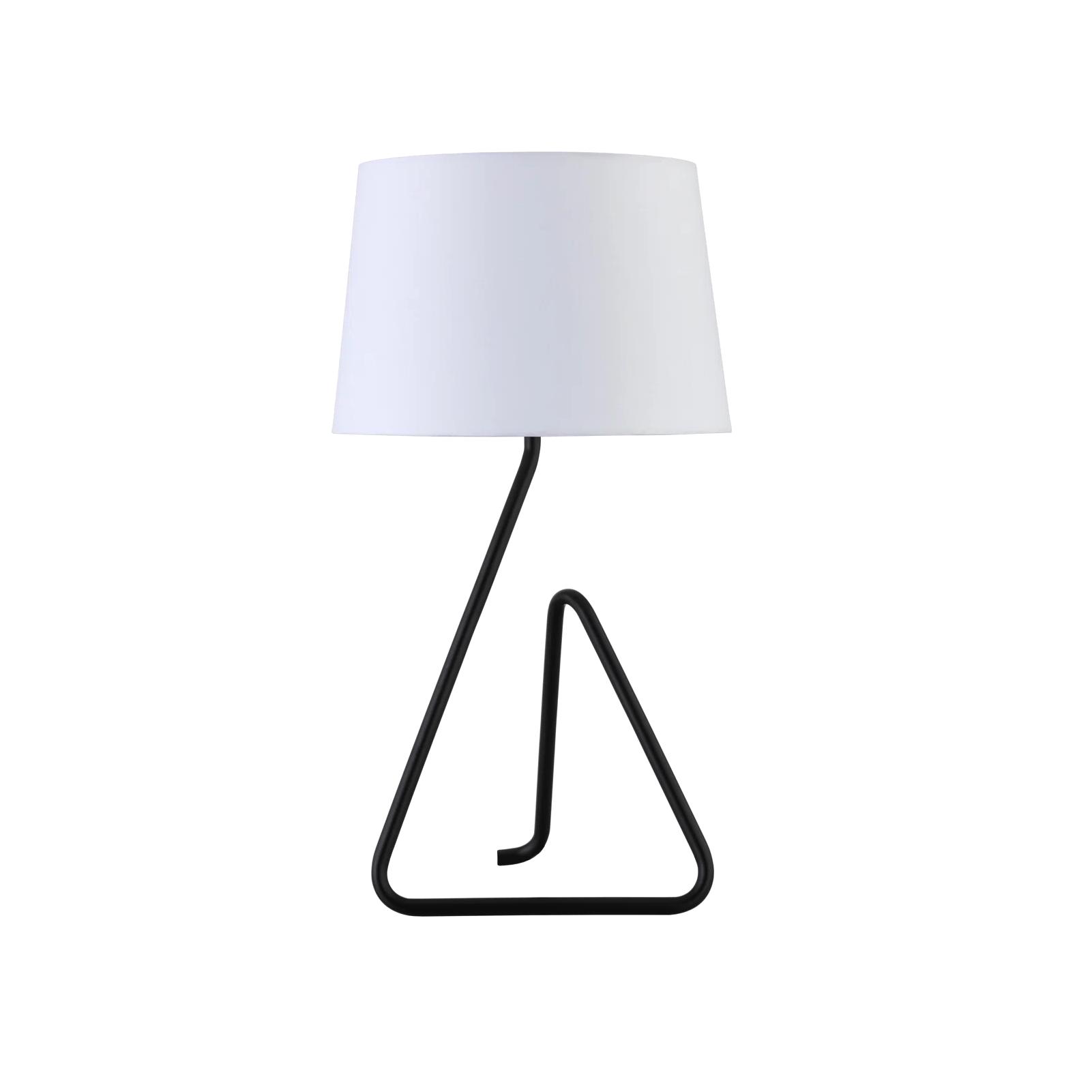
Cora Metal Table Lamp
A unique sculptural black metal base gives this lamp a distinctive and delicate feel.
WORKS BEST WITH: Modern or Minimalist style. A light colored nightstand.

Fraiser Modern Cone Table Lamp
This organic modern lamp will add a whole lot of style – for an amazingly low price.
WORKS BEST WITH: Mid-Century, Organic Modern, or Transitional style. A black or light colored nightstand.


Brie Table Lamp
The textured ceramic base is the standout of this lamp. It will create an ideal contrast and visual interest on your bedside.
WORKS BEST WITH: Organic Modern, Transitional, or Boho style. A mid-toned wood or dark-colored nightstand.
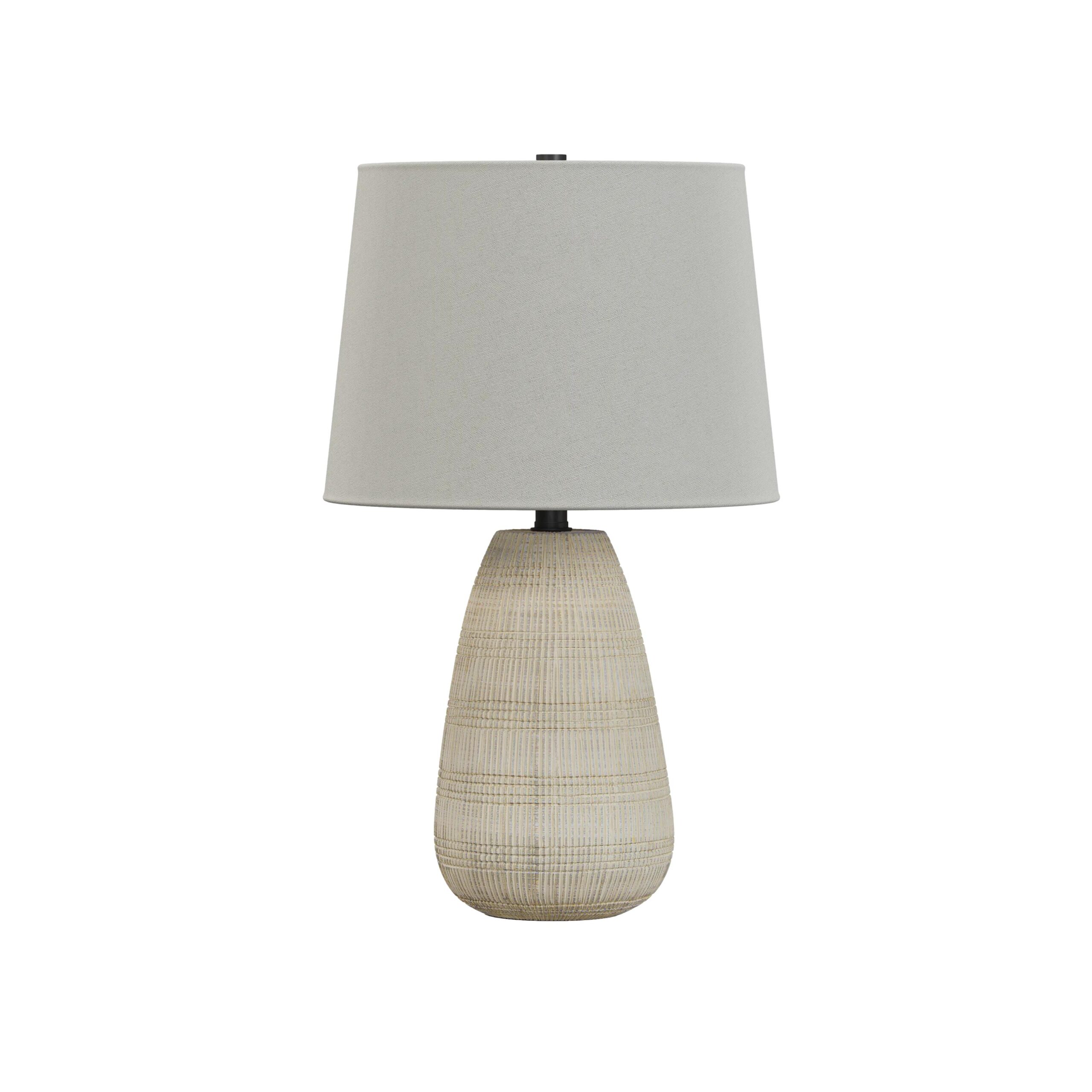

Demodena Gold Table Lamp
Classic and elegant, this is a gold table lamp that will never go out of style.
WORKS BEST WITH: Traditional style. A white or dark colored wood nightstand.
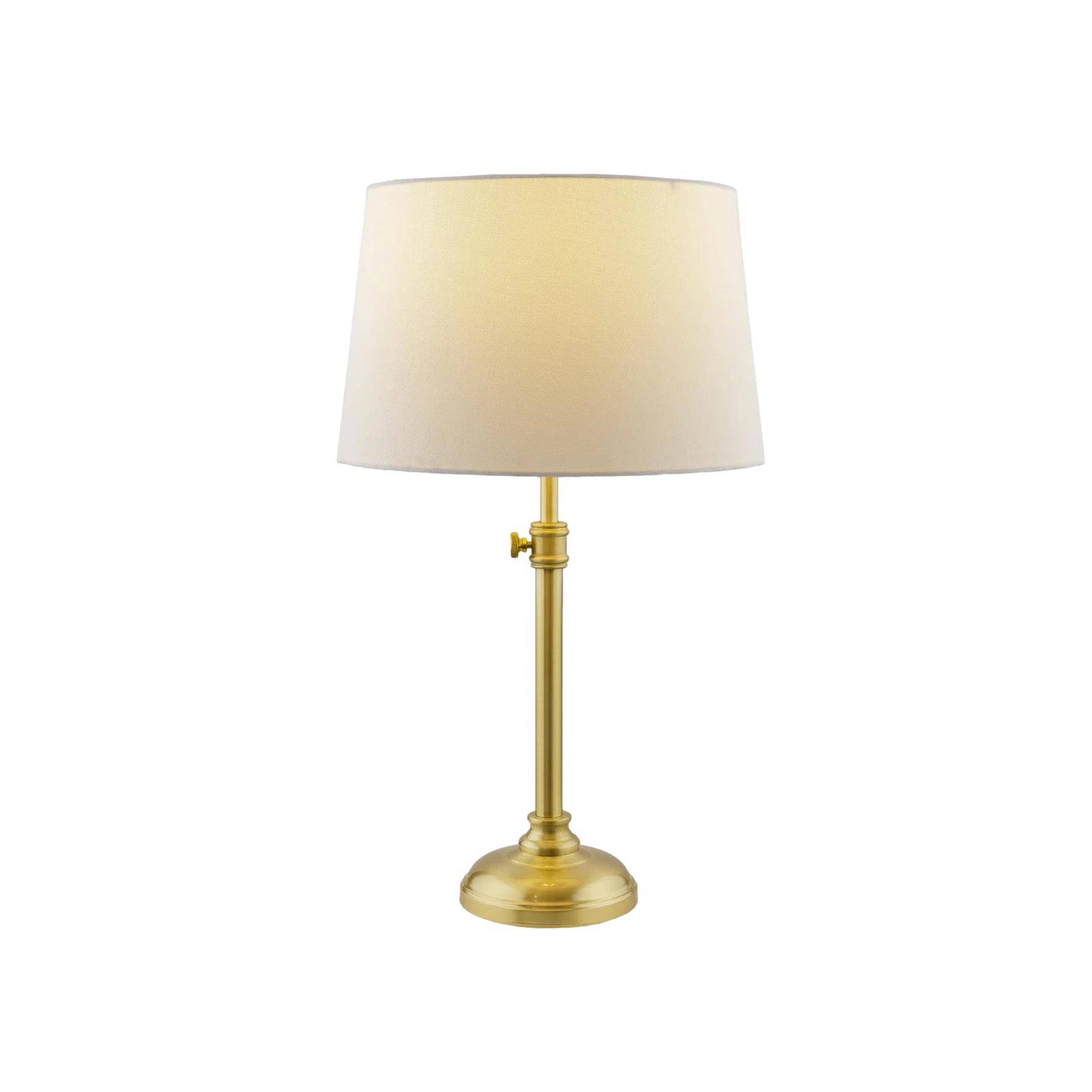

Metal & Walnut Table Lamp
A sculptural base and tall linear shade really set this lamp apart.
WORKS BEST WITH: Mid-Century style. A walnut nightstand or light wood.
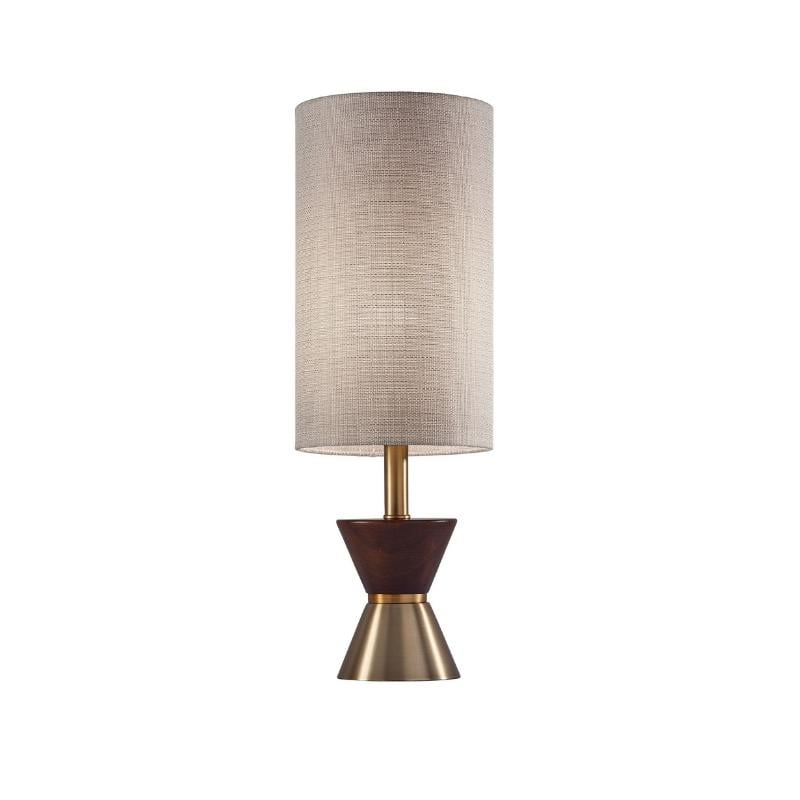

Yearby Black Globe Table Lamp
Double glass globes mean twice as much diffused light to brighten up your bedside.
WORKS BEST WITH: Modern or Organic Modern style. A white or light colored wood nightstand.


Ceramic Blue Table Lamp
A gorgeous blue glaze on this lamp base is a little bit traditional, a little coastal, and a little farmhouse all in one.
WORKS BEST WITH: Coastal, Traditional, or Farmhouse style. A white or light colored nightstand.
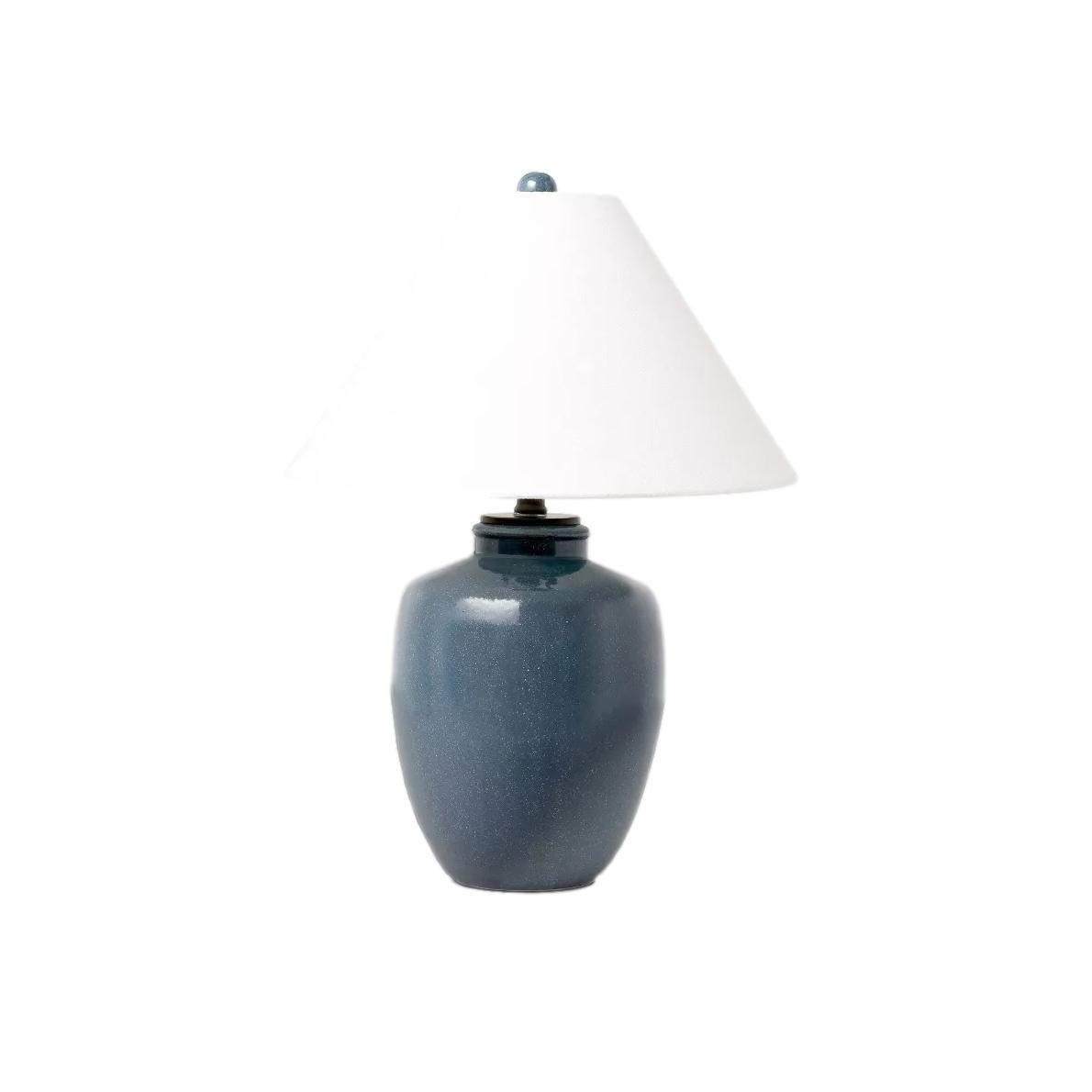

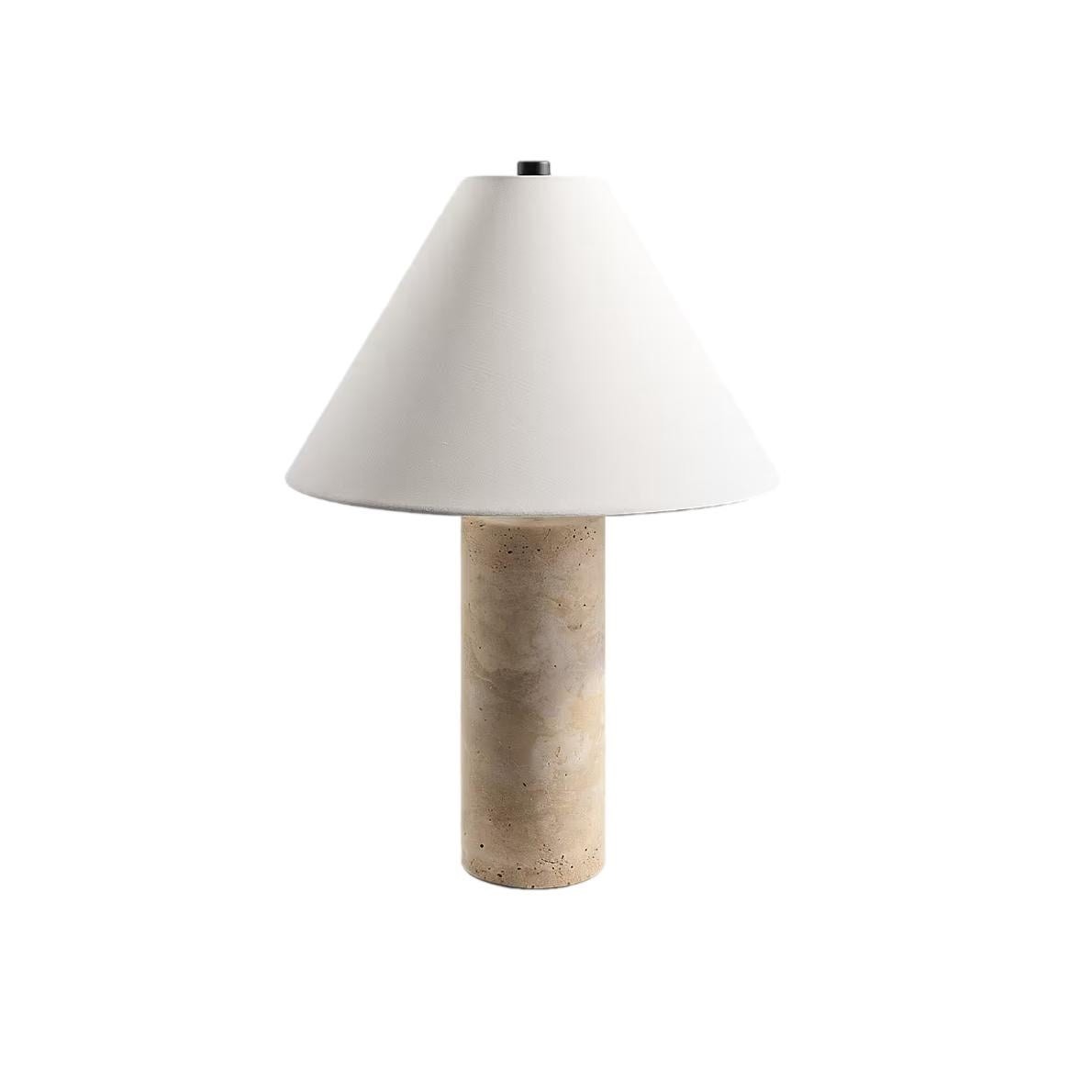
Travertine Table Lamp
Grab this simple stone lamp for a traditional meets organic modern feel.
WORKS BEST WITH: Organic Modern or Transitional styles. A darker colored or dark wood nightstand.

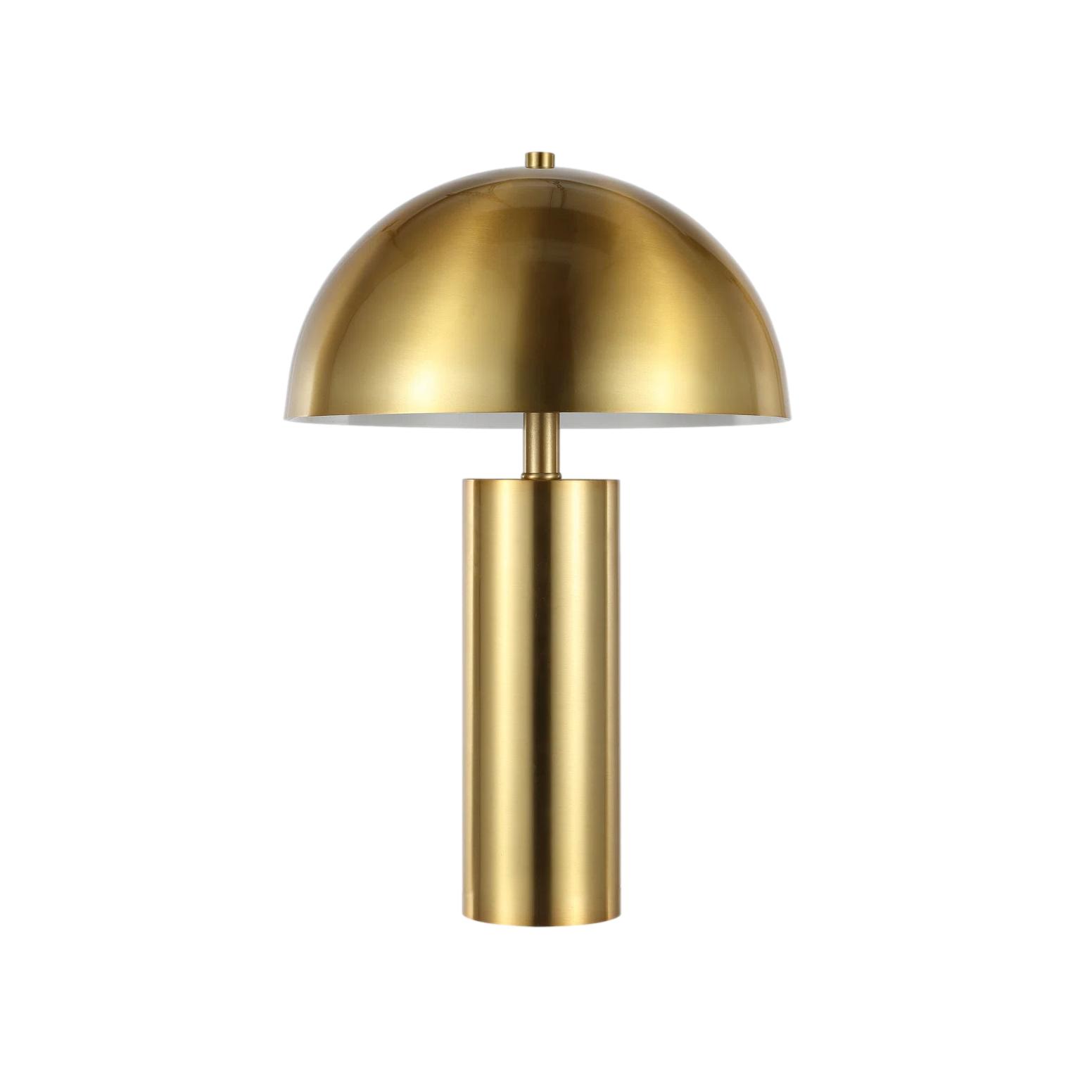
Gold Metal Table Lamp
A chic gold lamp with a metal shade that looks great and is perfect for reading in bed.
WORKS BEST WITH: Modern or Glam style. A white, black, or light colored nightstand.

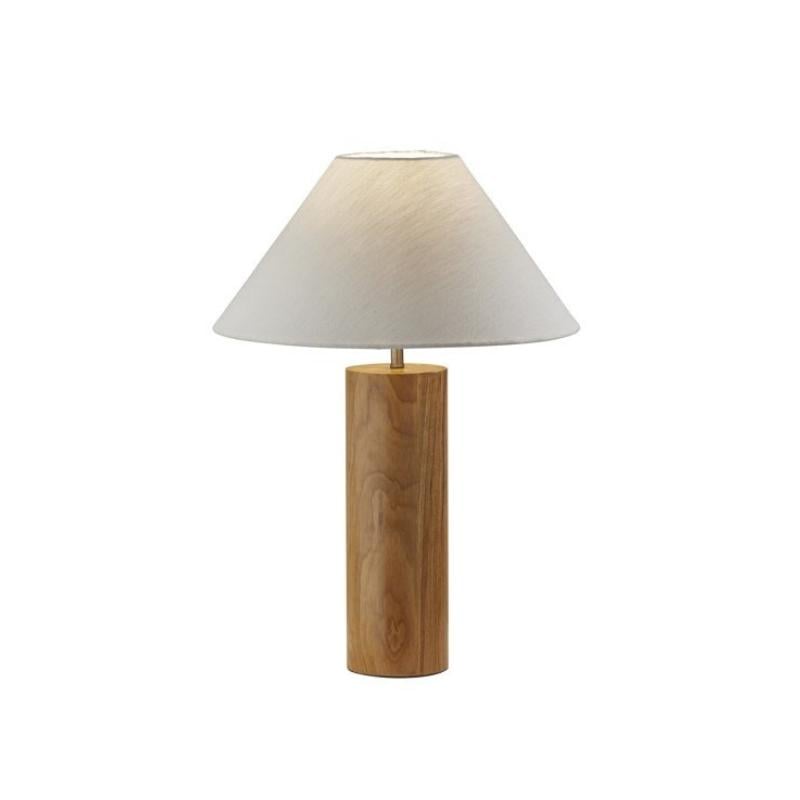
Martin Natural Oak Table Lamp
A sleek wood column complemented by a tapered shade can work well in lots of different bedroom styles.
WORKS BEST WITH: Organic Modern or Mid-Century style. A white, light-colored, or black nightstand.
Bedside lamp size guide
Frequently Asked Questions
Should bedside lamps match on both sides of the bed?
They don’t have to. Matching lamps create a symmetrical, formal look, while mismatched lamps (in a shared finish or scale) can feel more collected and personal. Just keep the height and brightness roughly consistent so one side of the bed isn’t noticeably dimmer than the other.
Do bedside lamps need to contrast with the nightstand?
I always recommend some contrast, whether through color, material, or shape, so the lamp doesn’t visually disappear into the nightstand. A light lamp against a dark nightstand, or a rounded, organic base against a linear table, both create that separation.
Can I use a sconce for a bedside light?
Absolutely, and it’s one of my favorite tricks in a smaller bedroom. A wall-mounted sconce frees up your entire nightstand surface for books, a glass of water, or decor, and it works especially well when floor space or table space is tight. Just make sure it’s mounted at the same height as a table lamp, roughly 22 to 27 inches above where your nightstand surface would sit, so the light still hits at the right level for reading.
What shape should the shade be?
This comes down to the contrast you’re creating with the rest of the room. A drum shade (straight up and down) reads clean and modern, while an empire shade (tapered, wider at the bottom) feels a bit more traditional. If your nightstand and furniture already have a lot of straight, linear lines, I’ll often reach for a rounded or tapered shade to soften things up, and vice versa if the room is full of curves.