How To Fix A Room That Isn’t Working

Sometimes, you walk into a room in your home, and something is just off. You can’t quite put your finger on what, but you don’t love being in there.
Before you assume the fix is expensive or complicated, let’s do something simpler and completely free. Let’s interview the room. I’ve got a fill-in-the-blank exercise that gets straight to the bottom of what’s actually wrong. Most of the time, the real answer is far more fixable than you feared. So give it a try, and learn how to fix a room that isn’t working.
For more ways to improve your home, check out: The Home Upgrades That Add Value To Your House, The Paint Colors That Make A Room Feel Bigger, and The 5 Design Rules You Should Always Follow.
HOW TO FIX A ROOM THAT ISN’T WORKING
Why A Home Audit Beats Spending
When a room feels off, the instinct is to buy our way out of the bad feeling. New rug, new pillows, maybe a whole new sofa if it’s a really bad week. Sometimes that even helps, for about a week. Then the “off” feeling creeps right back, because you treated a symptom instead of the underlying problem, and now you’re out a few hundred dollars with the same nagging discomfort.
An audit finds the real problem. It separates “this room is ugly,” which is rarely the real issue, from “this room doesn’t actually work for what I do in here,” which almost always is. Remember, designing is planning, and this audit is you doing the planning that saves you from expensive guess-and-buy mistakes. Before you tackle any space, it’s important to honestly assess what’s working and what’s not from a function standpoint.
Read more about function: Function: The One Rule Behind Every Good Design Decision

In this exercise, don’t skip the “what’s working” one even though the instinct is to focus only on the problems. Knowing what already works tells you what to protect, and it reveals why certain activities happen in a room while others mysteriously don’t. For example, if you love lounging in your bedroom because of the cushy blankets and soothing palette, that’s also probably why you can’t get any work done in there, which might mean your work setup belongs elsewhere, or that you need to be mindful of what’s in your line of sight (don’t face the bed – it’s too tempting).
HOW TO FIX A ROOM THAT ISN’T WORKING
Reading Your Answers
Now step back and look at the whole page for the pattern. Nine times out of ten, one of two things jumps right out.
Either the room has more jobs than it was ever designed for, which is incredibly common now. Your living room is also an office, a gym, a playroom, and a dining room, and no wonder it feels chaotic. Or there’s a specific friction point you’ve been tolerating for so long that you stopped registering it consciously, even though your nervous system never stopped noticing it. Watch for the tells here: that underlying dread when you think about the space, the embarrassed backstory you give guests, the invisible extra steps you’ve folded into your routine.
Both are completely fixable, and here’s the beautiful part: they need totally different fixes, which is exactly why the audit matters. A room doing five jobs needs zones and smart storage so the jobs stop colliding. A single friction point needs one targeted fix aimed right at it, not a whole redesign. The audit just told you which path you’re on, which saves you from throwing money at the wrong solution.

Photo: Kara Mercer
HOW TO FIX A ROOM THAT ISN’T WORKING
From Audit to Action
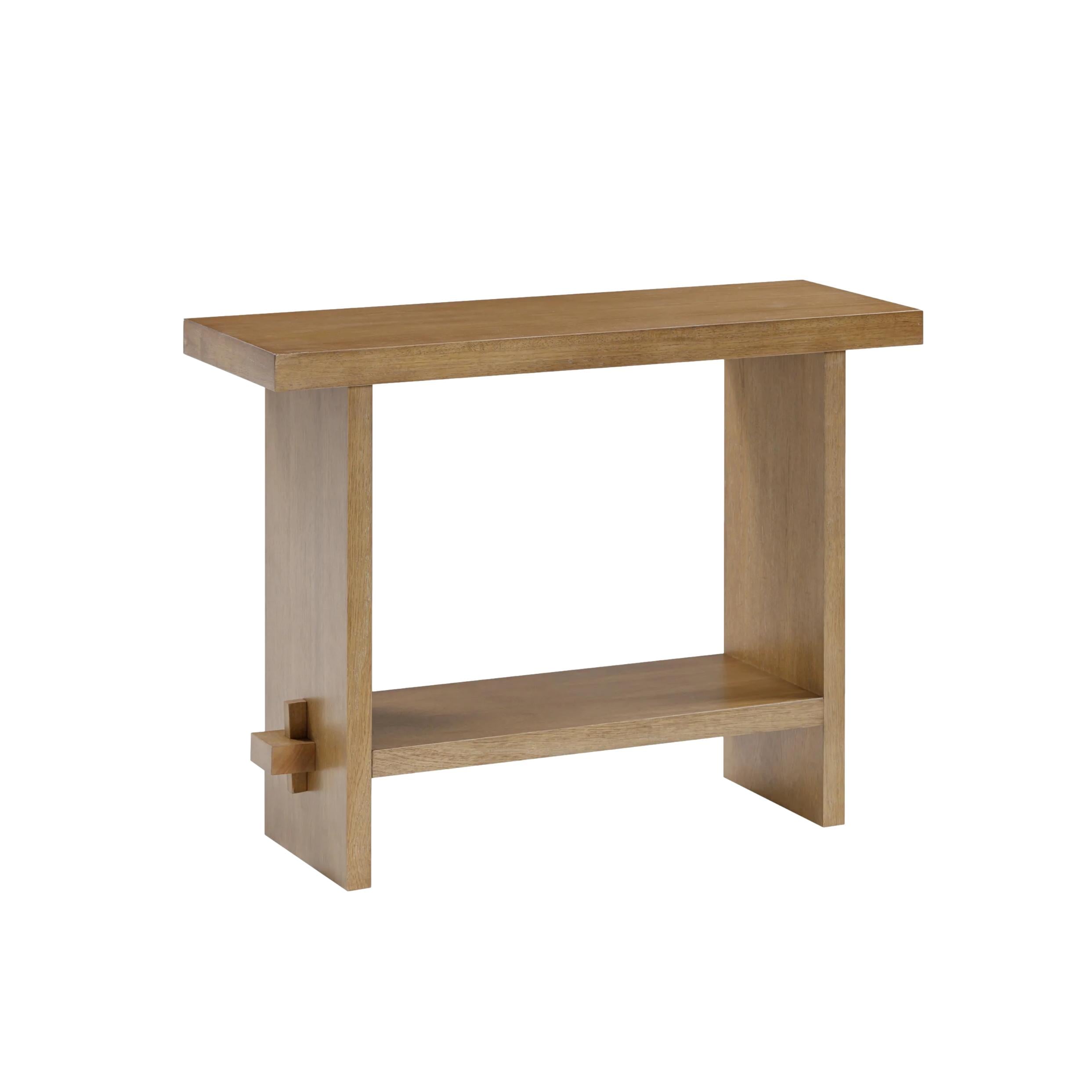
Once your audit points clearly at the problem, you can act with confidence instead of crossing your fingers. If the room is overloaded with jobs, your move is zoning: a rug, a console behind the sofa, an open shelf, or a well-placed chair to give each activity its own little territory so they stop bleeding into one another. If it’s a friction point, your move is one smart, targeted fix aimed precisely at the thing you named, and then you get the genuine relief of one less daily annoyance. One less thing to be annoyed about is one less thing. It counts.
This is the same principle as treating your rooms like employees. You’ve just given this one a performance review. Now you know whether it needs better tools, a clearer job description, or just one specific problem solved.



HOW TO FIX A ROOM THAT ISN’T WORKING
The Bottom Line
A room that isn’t working is rarely asking you for more money. It’s asking for better questions. Find the real job it’s failing to do and aim one smart fix at that exact spot. You’ll reclaim a room you’d basically given up on, for a fraction of what a guess-and-buy spree would cost. Your rooms should work for you, not against you. So hold this one accountable, and watch it shape up.
This article is adapted from my book, Right at Home: How Good Design Is Good for Your Mind. For the full deep dive, including room-by-room guides and interactive workbook activities, grab your copy here.