How To Design A Kid’s Room That Grows With Them

Photo: Kara Mercer
To all parents everywhere: first and foremost, I salute you. You’ve taken on the enormous task of raising the next generation of humans, and that is no easy feat. As meaningful and beautiful as parenting is, it can also be excruciatingly stressful, exhausting, and at times feel near impossible.
So as a designer, the best gift I can give you is my advice for optimizing the spaces these smaller humans live in. Because here’s the thing: happy kid, happy parent. But also, happy parent, happy kid. It’s a two-way street.
Kids’ spaces come with one maddening built-in challenge no other room has. The tiny humans you’re designing for refuse to stop changing. The nursery you perfect is obsolete in eighteen months. So the real survival mindset is this: you’re not designing one frozen room – you need to design a kid’s room that grows with them – and here’s how.
For more design tips, check out How to Build a Whole Home Paint Palette, The Home Upgrades That Add Value To Your House, and The 5 Design Rules You Should Always Follow.

Photo: Sara Ligorria Tramp
Design A Kid’s Room That Grows With Them
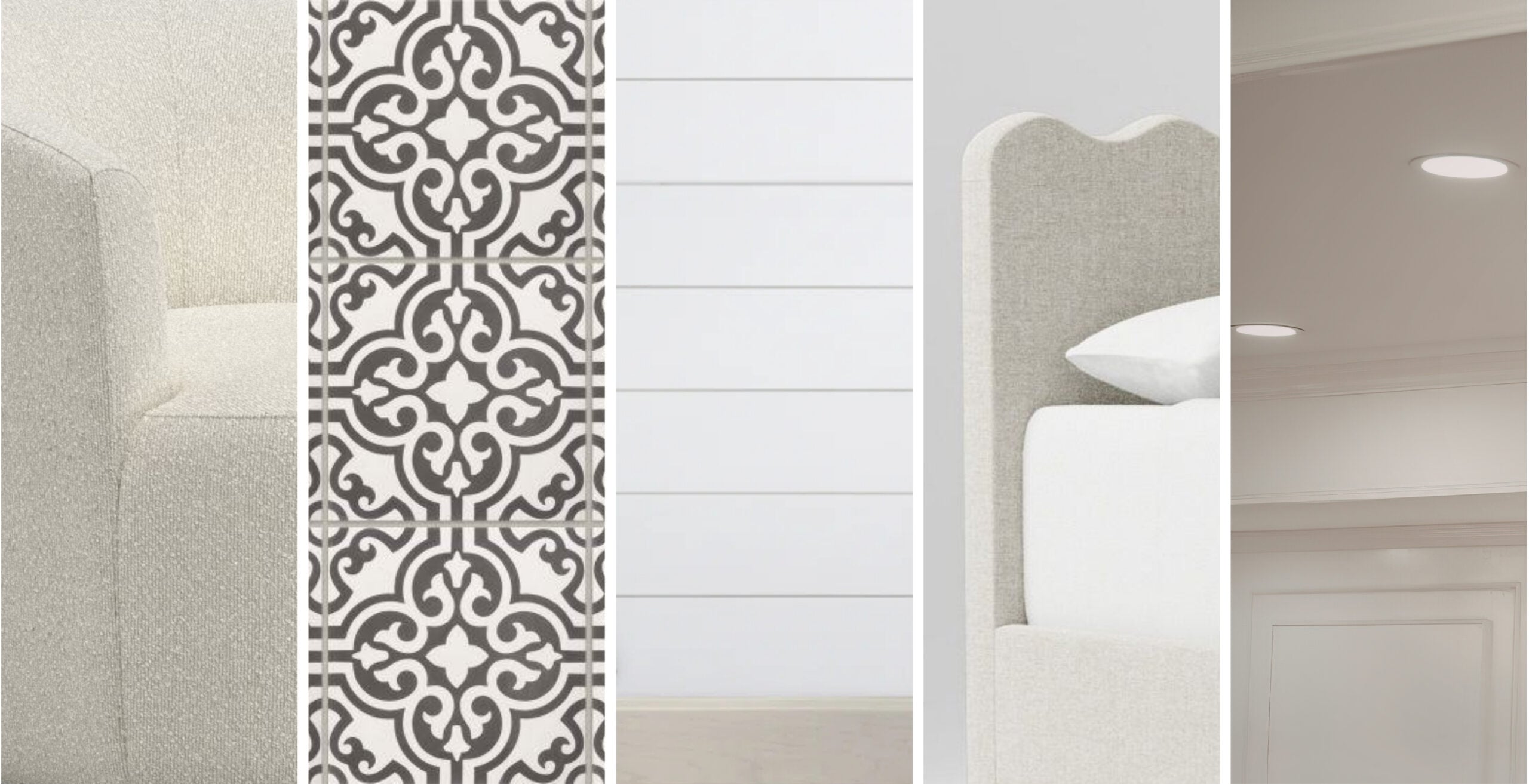
Keep The Big Items Neutral
The single smartest money move in any kids’ space is to keep the big, expensive, hard-to-change stuff neutral and versatile, then layer the fun on top in ways that are cheap and easy to swap later. One of the biggest stressors attached to having kids is the massive financial weight, so investing in pieces that grow with your kid means you use them far longer.
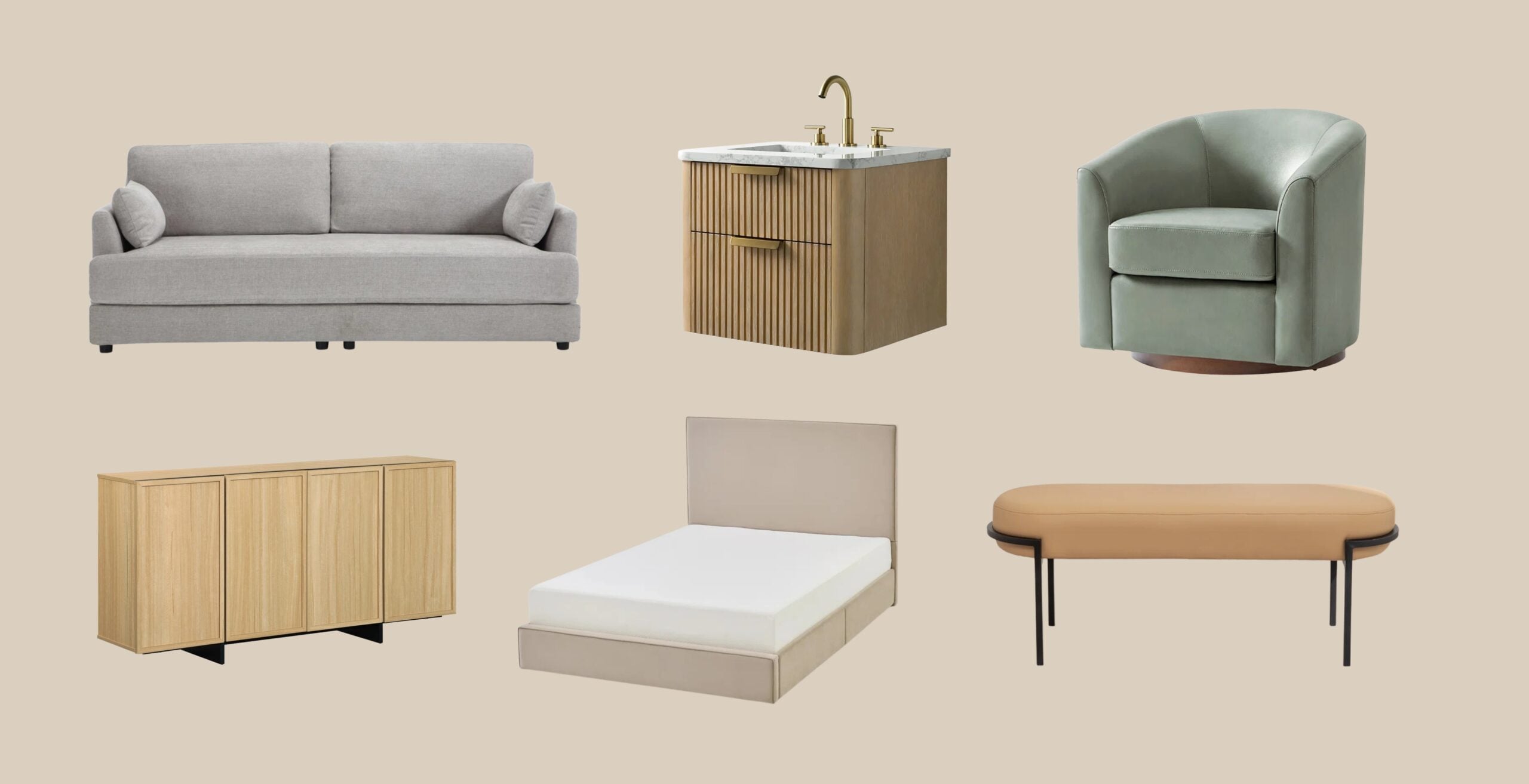
Think of it as one table, three stages, and the pieces that pull it off share three traits: neutral, versatile, and adjustable. The crib that converts to a toddler bed, then a full bed. The dresser in a timeless finish that works from birth through the teen years. Neutral walls that play nicely with any theme. Super-bright colors can also be overstimulating in a bedroom, especially for kids, so keep the loud stuff to the swappable layer: the bedding, the wall decals, the current favorite color, the character of the week- all the things that cost little and change in five minutes when the obsession shifts. Non-eyesore design for kids means less pain for the adults, which is a genuine mental wellness booster. A win-win all around.

Photo: Sara Ligorria Tramp
Design A Kid’s Room That Grows With Them
Keep It Low & Optimize For Independence
Here’s an Uncle Bobby tip: keep storage low to the ground so it’s easier for kids to put things away themselves. As a bonus, this is also great for kids or adults with special needs. Always optimize for independence for everyone across the board.
Kids experience a room from a completely different altitude than we do – their whole world sits down low. So a room genuinely designed for a child meets them there: low open shelving they can reach, hooks at their height so they can hang up their own coat and bag, art and mirrors hung where they can actually see them. This isn’t only about looking cute. A child who can reach their own things and put them away is a child learning responsibility and capability, and one who needs to call for an adult a whole lot less often.
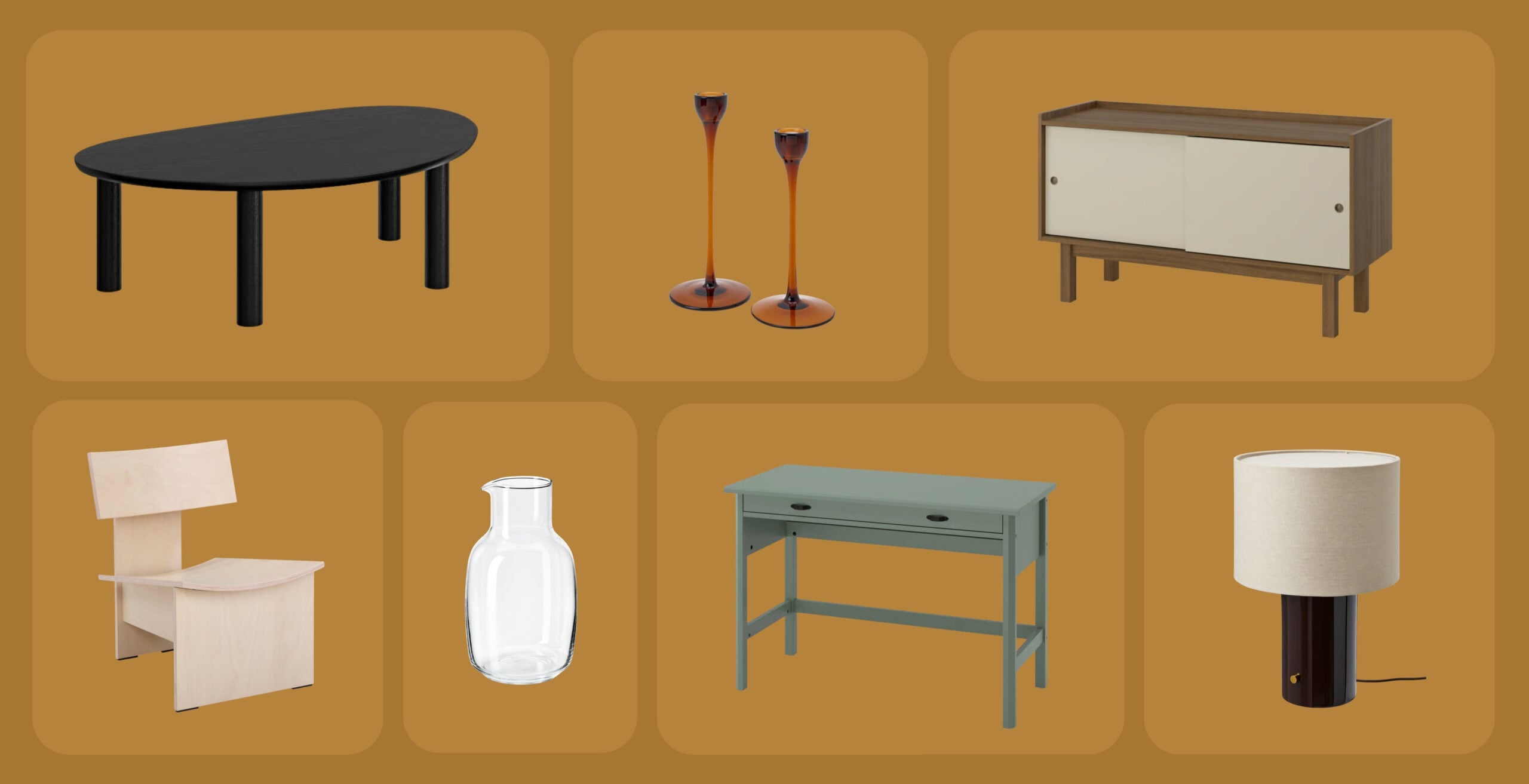
Smart, flexible, adaptable pieces are what let a kids’ space evolve alongside the child. Here are some of my faves.
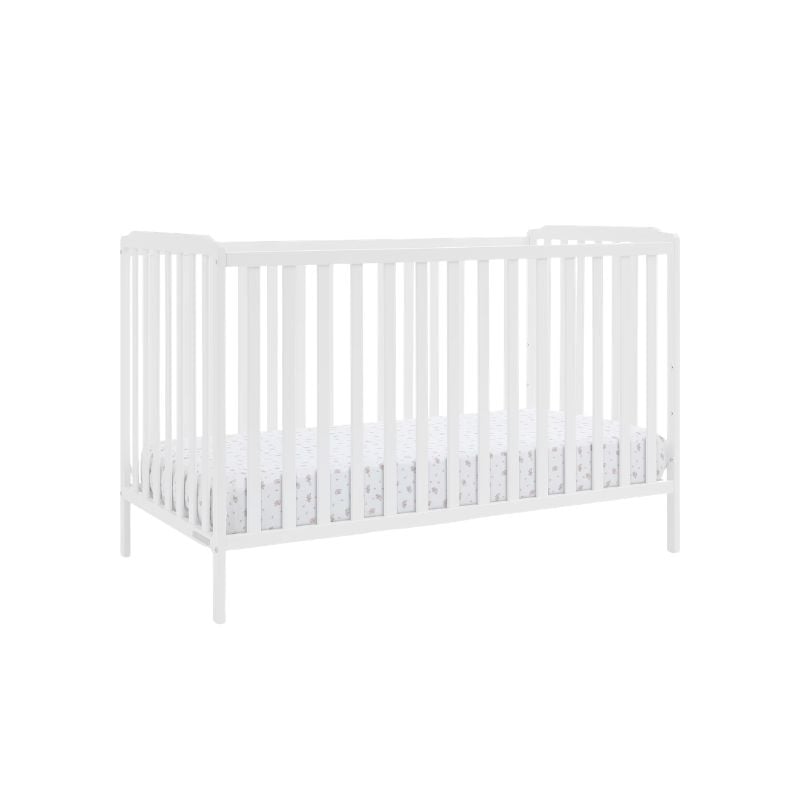
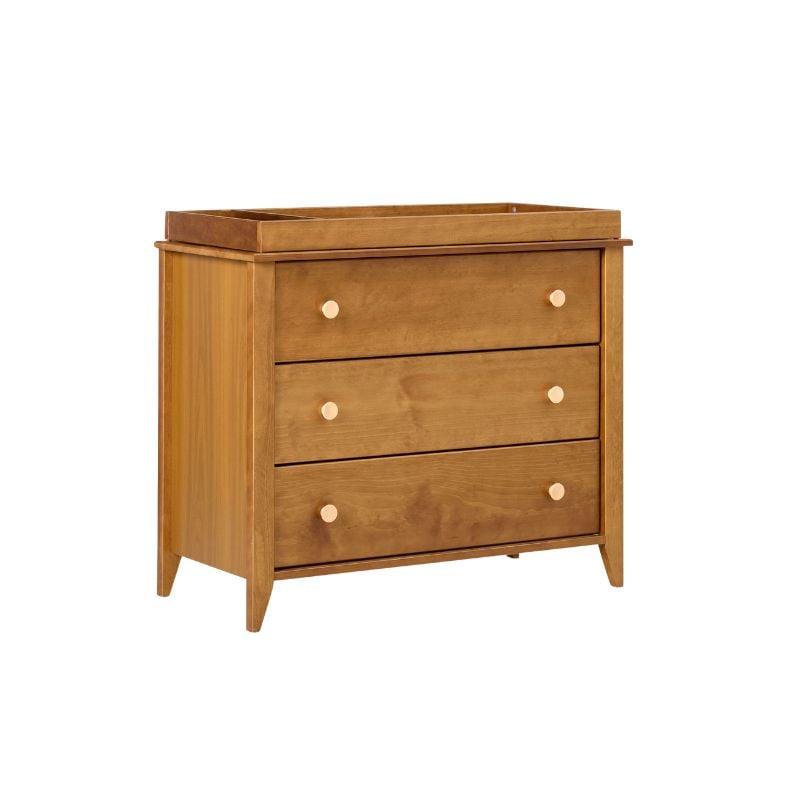
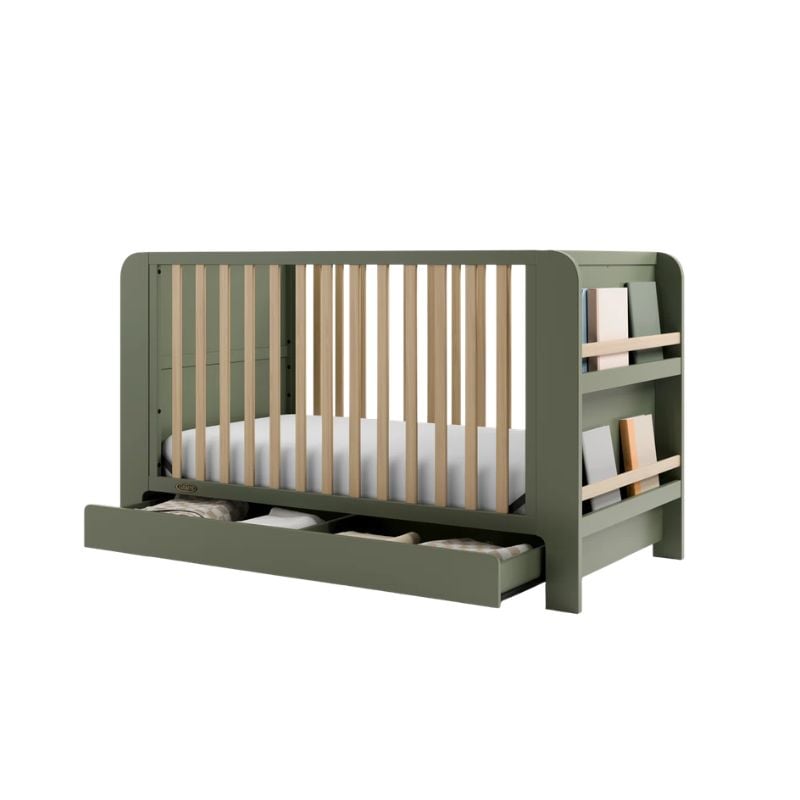
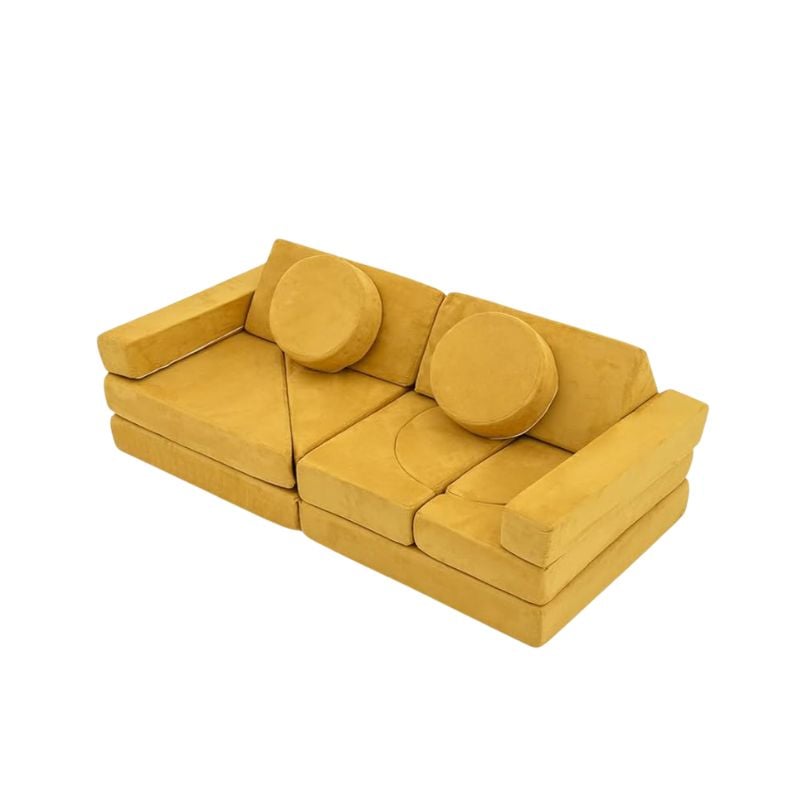

Photo: Kara Mercer
Design A Kid’s Room That Grows With Them
Make Cleanup Easy (And Even Fun)
Let’s be real. Kids’ spaces get messy fast, and that’s not a flaw to fix – it’s the nature of childhood, since play is how their brains literally develop and learn. So the goal was never a pristine, untouched room. The goal is a room where cleanup is so easy a kid can actually do it.
Making cleanup easy to maintain, and dare I say even fun, is the key to getting your little ones to take part in it. Taking even a little off your plate is a win, and since clutter has been linked to increased cortisol, the stress hormone, designing storage that lets kids corral their own clutter is a huge way design supports a parent’s mental wellness, and the child’s, whether they know it or not. Lean on lots of open bins and baskets they can toss things into, with cute labels that are easy to read, even simple icons or symbols for non-reading kids. Big, obvious categories beat fussy, detailed organization every time at this age. A five-year-old will never sort tiny toys into fourteen labeled compartments, but they’ll absolutely chuck the blocks into the clearly marked block bin.

Photo: Sara Ligorria Tramp
Design A Kid’s Room That Grows With Them
Win The Display vs. Put-Away Battle
There’s a real art to figuring out which items deserve pride of place. Whatever makes your kid disproportionately happy usually makes the first cut for display. But there’s also size and shape, since some items are just impossible to store, which conveniently decides for you, and the very real, very important factor of eyesore reduction. Real talk: your mental wellness involves minimizing pain. Just because that Hulk figure is the exact shade of garish, vomit-triggering green doesn’t make you a bad parent for wanting it out of sight.
Strategic display can also work in your favor. Toys on display function as visual reminders, kind of like merchandise in a store. You may not have room for every doll in full view, but one styled in plain sight is enough to remind everyone there are more in the drawers below. You can even use display to encourage play in a certain direction gently. Not loving blocks lately? Let’s put the blocks out.
“Bring your kid into the design process in age-appropriate ways. Let them choose between two colors you’ve already pre-approved, or pick which animal goes on the wall decal. Kids who feel real ownership over their space tend to respect it more, take genuine pride in it.”
Design A Kid’s Room That Grows With Them
The Bottom Line
The big secret to kids’ spaces is to stop fighting the constant change and start designing for it. Build on a neutral, versatile, adjustable foundation, then layer the fun on cheaply on top. Meet your kids at their real height, optimize for their independence, make cleanup so easy they can do it, win the display-versus-put-away battle, and keep that secret purge trick in your back pocket. Do that, and you get a space that grows gracefully alongside your child instead of one you tear out every couple of years. Happy kid, happy parent. It really does go both ways.
This article is adapted from my book, Right at Home: How Good Design Is Good for Your Mind. For the full deep dive, including room-by-room guides and interactive workbook activities, grab your copy HERE.