How to Set a Table (Without It Feeling Too Formal)

Table-setting rules feel like they belong to a different century. The fork on the left, the spoon to the right of the knife, and the bread plate at ten o’clock. Most of it seems like Victorian fussiness. It isn’t.
The rules exist because they make the table work. Right-handed people pick up the fork with their left hand and the knife with their right. The bread plate is at ten because it’s the spot that doesn’t compete with the wine glass at two. Once you understand the why, you can break the rules confidently. Before that, the rules are how to avoid an awkward dinner.
Here’s the simple version of how to set a table.
Try setting your table outdoors this summer, and see my tips: Get Ready For Summer With These Easy Outdoor Updates and 4 Ways To Enjoy Your Outdoor Space More.

how to set a table
The Bare Minimum
For a casual weeknight or a simple dinner with friends, you need five items per place setting:
1. A Plate
centered, an inch from the table edge
2. A Fork
to the left of the plate
3. A Knife
to the right, blade facing in
4. A Napkin
folded loosely under the fork or on the plate
5. A Glass
above the knife at one o’clock
That’s it. Five items, properly placed, and the table reads as set.

how to set a table
Adding the Common Extras
A Salad Fork
Goes to the left of the dinner fork. Smaller. The diner uses the outermost piece first and works inward.
A Bread Plate
Goes above the forks at ten o’clock. A small butter knife sits across it, blade facing in.
A Water Glass
Goes above the knife, slightly closer to the diner than the wine glass. The water glass is the smaller one. The wine glass is slightly behind it, a touch to the right.
A Second Wine Glass
Goes to the right of the first. White on the right, red on the left, if you’re serving both.
A Soup Spoon or Dessert Spoon
The soup spoon goes to the right of the knife. The dessert spoon goes horizontally above the plate, pointing left.
Shop Table Setting Essentials






how to set a table
The Centerpiece Rule
Whatever’s in the middle of the table has to be lower than the elbows of the diners. People need to make eye contact across the table. A tall floral arrangement is the death of conversation. The best centerpieces are wide and low. A group of 3-5 small vases with wildflowers or flowers from your yard. A single low vase with branches cut low. A row of three pillar candles in glass hurricanes spaced evenly.

how to set a table
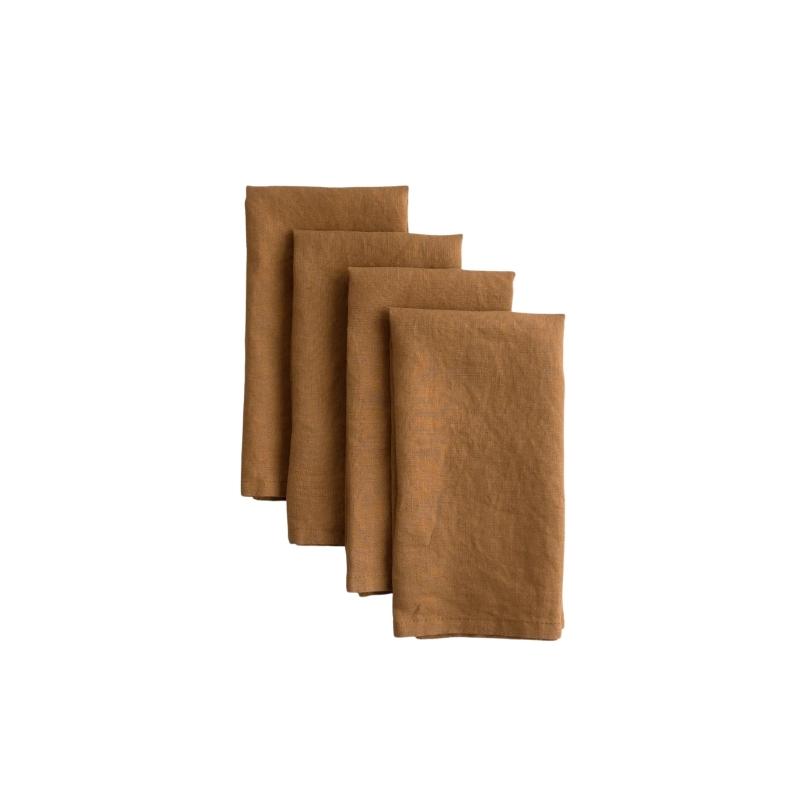
Napkins The Right Way
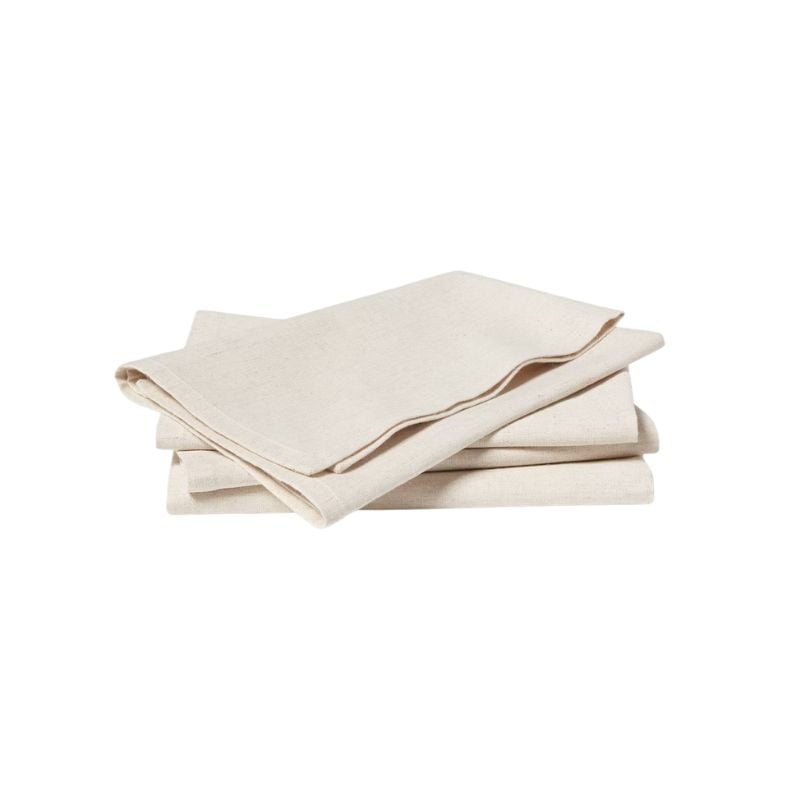
Cloth napkins. Not paper. The single biggest jump in table presentation is using cloth, regardless of the occasion. Linen if you can. Cotton works.
Fold them simply. A rectangle. A loose accordion. A casual roll tied with twine and a sprig of herb. Skip the swan or the fan or the elaborate Pinterest fold. Confidence reads as restraint, not gymnastics.
how to set a table
Lighting is The Whole Game
The most important table-setting element isn’t on the table. It’s above and around it.
Overhead Light:
dim and warm. If the room has only one harsh ceiling light, turn it off and bring in a single table lamp from another room to set on a nearby surface.
Candles on the Table:
pillars in hurricanes, or two or three taper candles in low holders. The flame should hit at about chest height. Taller taper candles are also fine if they don’t block sight lines.
Skip Overhead Chandeliers that aren’t Dimmable:
They flatten food, age skin, and make every meal feel like a business dinner.
how to set a table
The Things People Get Wrong
Plates Touching the Edge of the Table
Should be an inch in. Looks more intentional.
Napkins Under the Plate
Looks like the table setter ran out of ideas. Either on the plate or to the left of the fork.
Glasses at the Top of the Place Setting
They go to the right, not above.
Centerpieces that Obstruct Conversation
Mentioned above, worth repeating because people still get this wrong.
Mismatched Glassware
Acceptable when intentional, less so when accidental. If you have to mix, mix big and small, not random.
how to set a table
Setting For a Crowd (Without Losing Your Mind)
For six or more, set everything before any guest arrives. The visual of a fully set table when people walk in does the work for you.
-
Pre-pour water in the water glasses before guests sit down. Saves an awkward standing-around moment.
-
Have one wine bottle per three guests open and ready. People hate refilling glasses while the host is fumbling with a corkscrew.
When To Break the Rules
You can break every rule if you do it confidently. A family-style table set with platters down the middle and no individual plates. A picnic table with metal camp mugs and stoneware bowls. A breakfast for two with the napkins on the plates and a single jam jar in the center. The rule is intentionality. Whatever you do, do it on purpose. The eye reads “considered” before it reads “correct.”