How To Style A Bookshelf Like A Designer

Photo: Kara Mercer, Sara Ligorria Tramp
A well-styled bookshelf is one of the highest-impact, lowest-cost design opportunities in any room, and it’s consistently one of the most anxiety-making for people who don’t do this professionally. There’s a reason for that: a bookshelf, more than almost any other piece of furniture, reveals personality and taste. It feels personal, which means getting it wrong feels personal too.
But here’s the thing: there’s a clear system for styling a bookshelf that works every time. Once you understand it, it becomes almost automatic. Here’s how to style a bookshelf, like me, a designer!
For more design tips, check out How to Add Black to Your Home and Why Handmade Home Decor is Back.
how to style a bookshelf
Step 1: Start with a Complete Edit
Before you put anything on the shelf, take everything off it. Every book, every object, every piece of decor. Lay it all out where you can see it. This is the single most important step because it forces you to make active decisions about what goes back rather than letting the current arrangement dictate what stays.
Once everything is out, create three piles: keep (things you genuinely love and want on display), store (things that are functional but not beautiful), and remove (things that have no business being on a displayed shelf).

Photo: Kara Mercer
how to style a bookshelf
Step 2: Group Your Books Thoughtfully
Books are the backbone of a bookshelf, but how you arrange them matters enormously. You have several options:
- Arrange by color. This is the most visually striking approach and creates an immediate sense of curation. It takes some time to sort initially, but the result is genuinely beautiful.
- Arrange by size. Grouping books by height creates a stepped, architectural quality that’s clean and modern.
- Remove dust jackets. Hardcover books without their jackets in neutral cloth bindings look beautiful grouped together and give a shelf a more serious, collected quality.
- Turn some books backward. A row of books arranged spine-inward (pages facing out) creates a neutral, textural moment that provides visual rest between more detailed sections.
how to style a bookshelf
Step 3: Vary The Orientation
Don’t shelve everything the same way. Mix vertical stacks with horizontal stacks, and use the horizontal stacks as platforms for small objects. A stack of three to five books laid flat with a small plant or object on top is one of the most reliable styling moves in a bookshelf.
The vertical-to-horizontal ratio should be roughly 70/30: mostly upright books with horizontal stacks used as punctuation.

Photo: Kara Mercer
how to style a bookshelf
Step 4: Add Decorative Objects
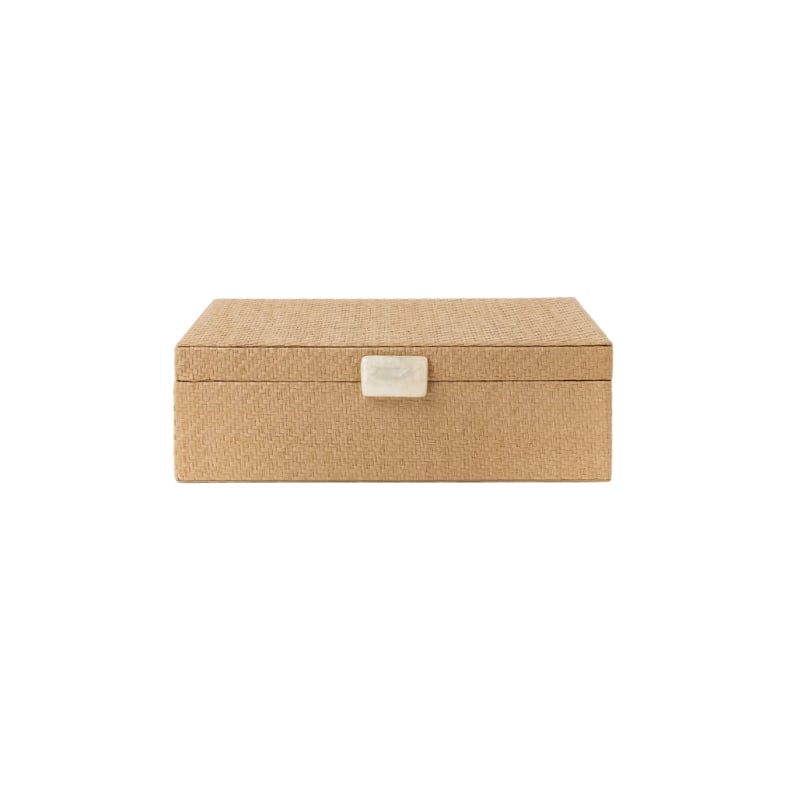
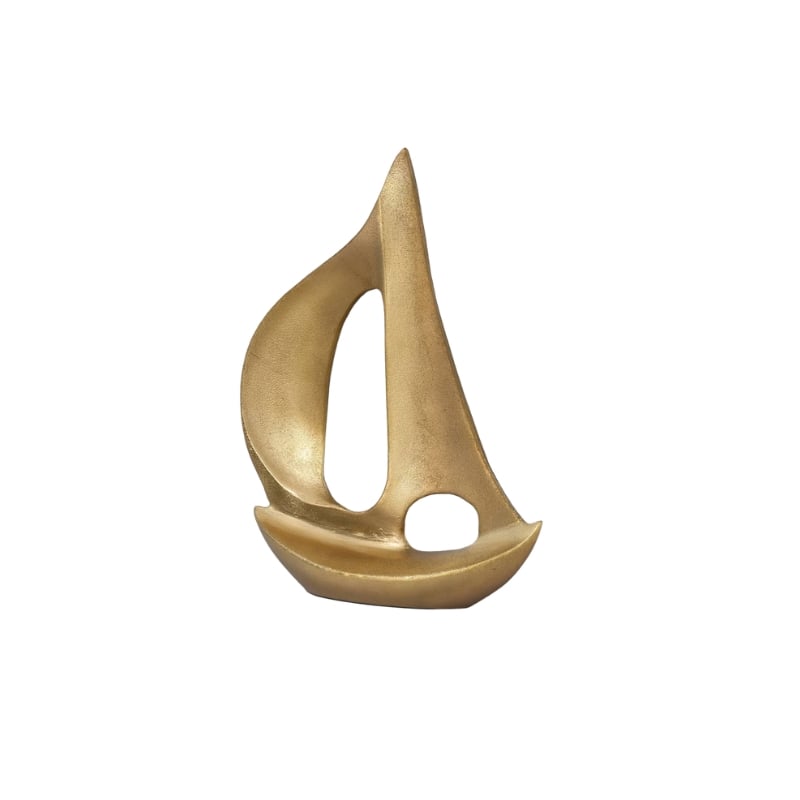
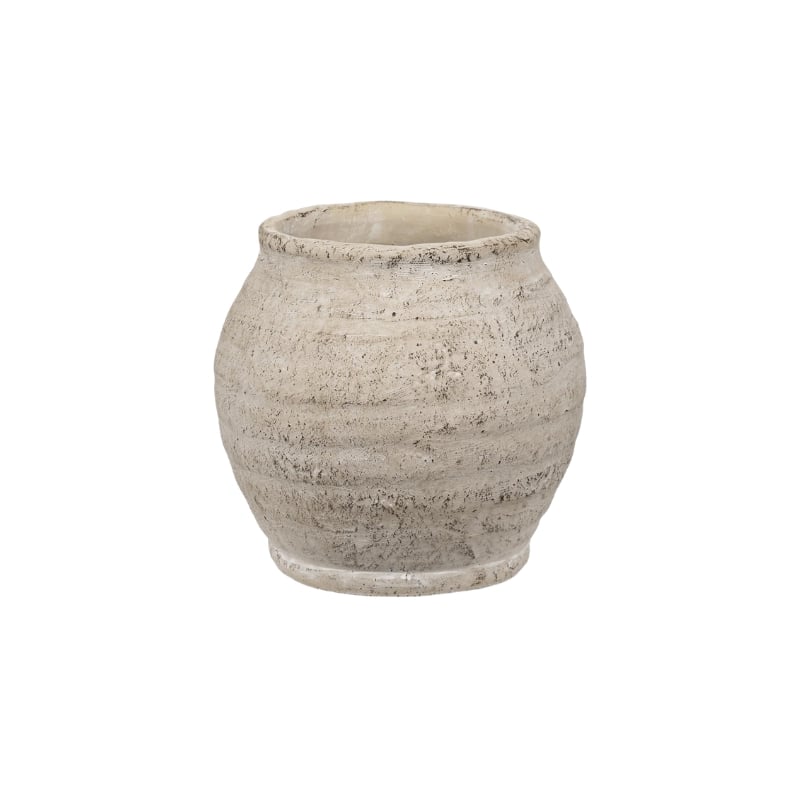
This is where the personality comes in. The best bookshelf objects share certain qualities: they have interesting form (sculptural, organic, or geometric), they vary in height, and they’re made of materials that contrast with the books themselves (ceramic, glass, brass, wood, stone).
A few reliable categories of objects:
- Small sculptural pieces in ceramic or stone
- A single vase (not necessarily with flowers)
- A small framed photo or piece of art leaned against the back of the shelf
- A small potted plant or a trailing plant
- A candle in a beautiful vessel
- Natural objects: a piece of coral, a rock, a dried botanical
The vertical-to-horizontal ratio should be roughly 70/30: mostly upright books with horizontal stacks used as punctuation.

how to style a bookshelf
Step 5: Vary The Heights
The eye moves comfortably through a bookshelf when the heights vary rhythmically, rising and falling rather than remaining flat or chaotic. On each shelf, aim for a composition that has a clear high point, a mid-point, and a low point. This creates a visual rhythm that feels organized without being rigid.

Photo: Sara Ligorria Tramp
how to style a bookshelf
Step 6: Add Plants
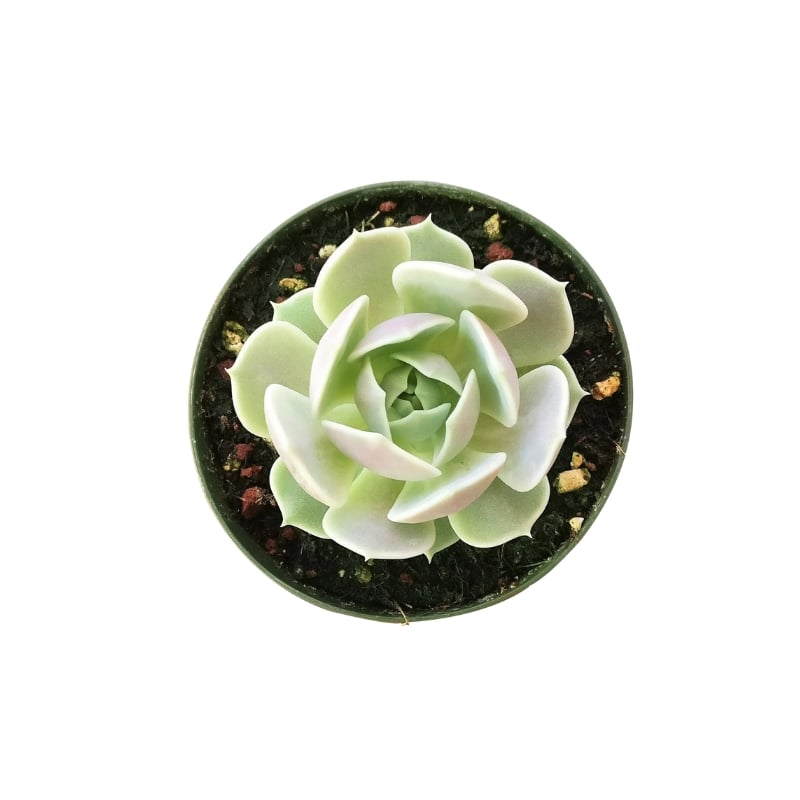
Plants belong on bookshelves, full stop. A small trailing plant (like a pothos or ivy) that drapes over the edge of a shelf adds a living, organic quality that no other element can replicate. A small succulent or cactus in an interesting pot works beautifully as a grounding element. Don’t skip the plants.
Good plants for bookshelves: Pothos (trailing, indirect light), String of Pearls (trailing, bright indirect light), small Succulents (low water, high light).
Shop Plants For Bookshelves



how to style a bookshelf
Step 7: Leave Some Negative Space
This is the step most people skip, and it’s one of the most important. A bookshelf doesn’t need to be completely full to look complete. An empty area of shelf, whether an entire shelf section or just the back third of a shelf, provides visual rest that makes the arranged sections look more intentional by contrast.
Resist the urge to fill every inch. The negative space is part of the design.
how to style a bookshelf
Step 8: Step Back & Edit
Once you’ve arranged everything, step back to the distance from which you’d normally view the shelf. What reads well from across the room? What feels cluttered? What’s fighting for attention when everything should be working together?
Edit again. Remove two or three things. Adjust heights. This iterative process is exactly how professionals work, not a sign that something is wrong.
how to style a bookshelf
The Most Common Bookshelf Styling Mistakes
Everything at the Same Height
A flat horizon line across a shelf looks static and undesigned. Vary heights deliberately.
Too many Small Objects
Small objects create visual noise. Group small objects together so they read as one element rather than many, or replace several small pieces with one or two larger, more sculptural ones.
No breathing Room
An overcrowded shelf looks stressful. Remove items until there’s room for the eye to rest.
All Books, no Objects
A shelf of only books can feel utilitarian rather than curated, unless the books themselves are arranged very intentionally (by color, by size).
Objects that have no Relationship to Each Other
The best shelf objects share at least one common thread: material, color, era, or origin. A completely random collection of objects just looks like a thrift store.
how to style a bookshelf
Frequently Asked Questions
How many Objects should I put on a Bookshelf?
Less than you think. A common ratio is roughly two-thirds books to one-third objects, but the objects you choose should be thoughtfully selected rather than numerous. Five to seven well-chosen objects on a full bookcase are usually more impactful than fifteen random ones.
Should I Organize Books by Color or by Subject?
Either works, but they create different effects. Color-organized bookshelves are visually dramatic and photograph beautifully. Subject-organized shelves are more practical if you actually use your books. A hybrid approach (grouping books by approximate color family while keeping related subjects together) is the most livable.
What Size Bookshelf is best for a Living Room?
Floor-to-ceiling built-ins are the gold standard, but a freestanding bookcase that extends to at least 7 feet reads as architectural and feels integrated into the room. Shorter bookcases (under 5 feet) tend to look like furniture rather than architectural features.
Can I put a TV on or near a Bookshelf?
Yes, and it’s one of my favorite approaches for TV placement. A TV integrated into a built-in bookshelf wall disappears into the composition when it’s off and creates a much more interesting design than a TV mounted alone on a blank wall.