
The 10-Step Daily Wellness Routine That Actually Sticks

Most wellness advice is written for people who don’t have a real life. Four a.m. wake-ups, elaborate breakfast bowls, meditation apps, you stop opening by Wednesday. If you have a job, kids, dogs, or just a normal energy level, none of it sticks.
Here’s what I’ve actually figured out, after years of balancing shooting schedules, design clients, and a brain that won’t turn off: the routines that work are the boring ones. Ten small things, done in roughly the right order, that you can run from home. No equipment. No 5 a.m. alarm. No personality transplant.
This is the daily wellness routine I actually do, give or take whatever life is throwing at me that week. Save the article. Pick one piece. Run it for a week before you add anything else. Give it a month, and you’ll wonder how you ever started your day differently.
For more wellness tips, check out Best Bedroom Design Tips for Better Sleep and Best Morning Routine Setup to Actually Start Your Day Right.
daily wellness routine
The Morning: The First Ninety Minutes
What you do in your first ninety minutes basically writes the script for the rest of your day. I figured this out the hard way, by spending years checking my phone before my eyes were even fully open and wondering why I felt unraveled by 10 a.m.

1. Don’t Reach For Your Phone. Reach For Water
Put a glass of water on your nightstand the night before. Sixteen ounces, room temperature. Drink it before you do anything else, especially before you check your phone. Eight hours without water is enough to leave your brain running on fumes, and the worst thing you can do to a foggy brain is hand it your inbox.

2. Get Light First
Get ten minutes of morning sun on your face. Stand on the porch, sit by a window, take the dogs out, whatever gets you in front of real daylight. Morning light tells your body it’s daytime, which sets your cortisol curve and starts the timer on tonight’s sleep. It’s also free, which is unusual for anything called a wellness intervention. If you live somewhere that goes dark for half the year, a daylight lamp on your kitchen counter does most of the same work. Put it where you make breakfast, and you don’t even have to think about it.
3. Breathe Like You Mean It
This one most people skip. Don’t. Inhale for four counts, hold for seven, exhale for eight. Three rounds. Your heart rate drops, your shoulders drop, and your nervous system gets the message that you’re not being chased by anything. Ninety seconds, every morning, full stop. Do it sitting on the edge of the bed before you stand up. Do it in the shower. Do it while the coffee brews. The location doesn’t matter, doing it does.
Read the Best Breathwork Techniques for Stress (What Actually Works)

4. Eat Like A Grownup
Eat actual protein in your first hour awake. Aim for thirty grams. Eggs, Greek yogurt, leftover chicken from last night, cottage cheese, a real protein shake, whatever’s already in your fridge. The point is protein, not perfection. This is the move that kills the 11 a.m. crash before it starts. The smoothie bowl will not do this. The oat milk latte will not do this. I love a smoothie bowl as much as anyone, but if it’s the only thing you eat before noon, you’re going to feel it by mid-morning.
5. Do The Worst Thing First
Pick the one task you’ve been dreading. Do it first. Before email. Before Slack. Before anything that pings or buzzes. Most people lose two or three hours of their day to the low-level dread of a thing they haven’t started yet. Doing the thing takes thirty minutes. Carrying it around takes all morning. This works because your brain spends real energy avoiding work. Once it’s done, the rest of the day feels lighter. I notice it most on the days I forget to do it.
Shop The Items I Use For My Wellness Routine
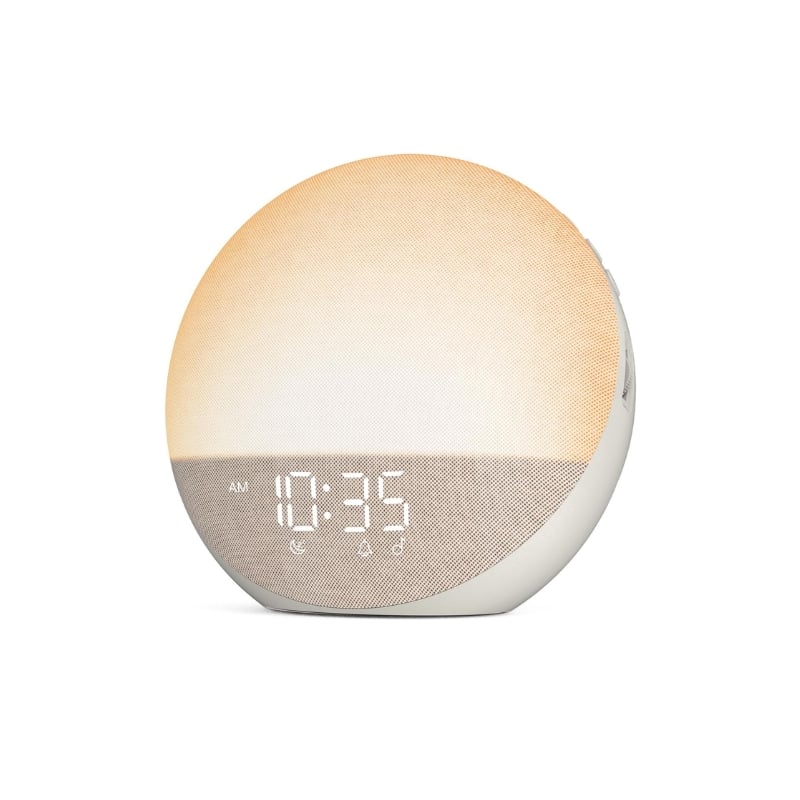


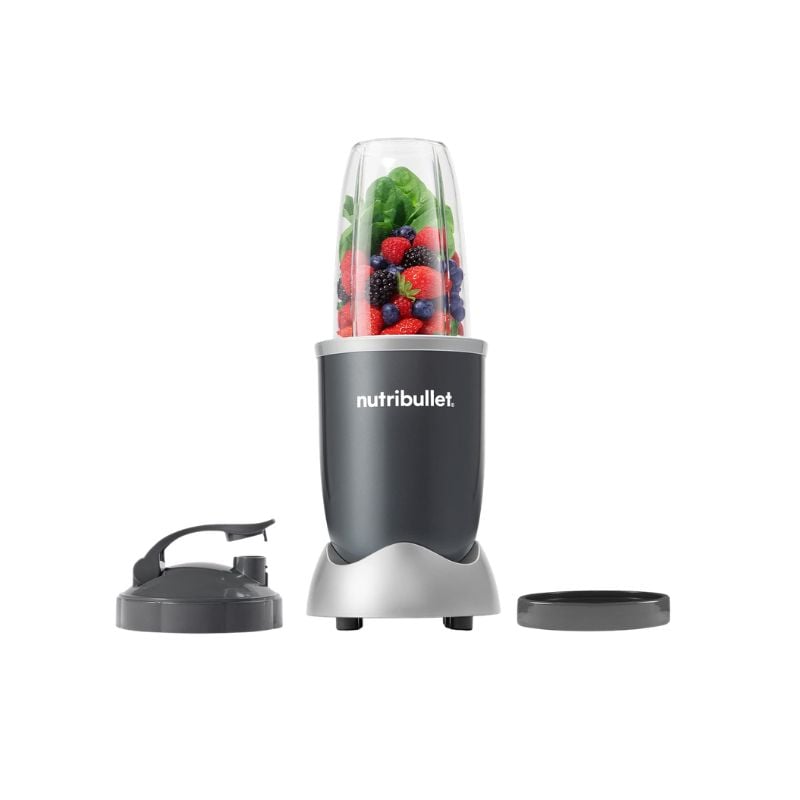
daily wellness routine
The Midday Reset: Twelve Minutes That Run The Rest Of Your Day
Between noon and two, your cortisol drops, your focus drifts, and you start reaching for caffeine or scrolling. Both make the slump worse, and neither solves what’s actually going on, which is that your nervous system needs a reset and your body needs to move. Run this stack instead. In this exact order. Twelve minutes total. If I could only get you to do one thing on this whole list, this would be it.

The 12 Minutes That Run The Rest Of Your Day
Pick a window between noon and two. Set a timer if you have to. Run these in order, no shortcuts.
1. Go Outside
Four minutes. Eyes off screens. Feet on the ground if you can manage it. Real outdoor light, not a window.
2. Move your Body
Four minutes. Hips, shoulders, neck. Not a workout. A thaw. Loosen what’s been frozen at a desk.
3. Sit in Silence
Four minutes. No podcast. No music. No input. Sit, walk, or stare at the wall.
This isn’t a break, it’s a reset. Twelve minutes back gives you about four hours of cleaner focus. If you only do one thing on this list, do this one.
daily wellness routine
The 3 P.M. Slump
6. Walk It Off
After your biggest meal of the day, get on your feet for ten minutes. Outside if you can, hallway laps if you can’t, around the block if your dog needs the walk anyway. Moving after eating helps your body process the meal, keeps your blood sugar from spiking, and clears the fog that hits around three. I’ve replaced more afternoon espressos with a ten-minute walk than I can count. The walk wins every time, and I sleep better for it.
Want even more of a workout? Try my Full Week of Workouts Using Just A Kettlebell.
daily wellness routine
The Wind Down: Two Hours Before Bed
Your sleep tonight is being made right now, not at eleven p.m. when you’re already in bed scrolling. The two hours before bed are the most influential hours of your whole day, and most of us spend them under harsh overhead light staring at our phones.

7. Dim Everything
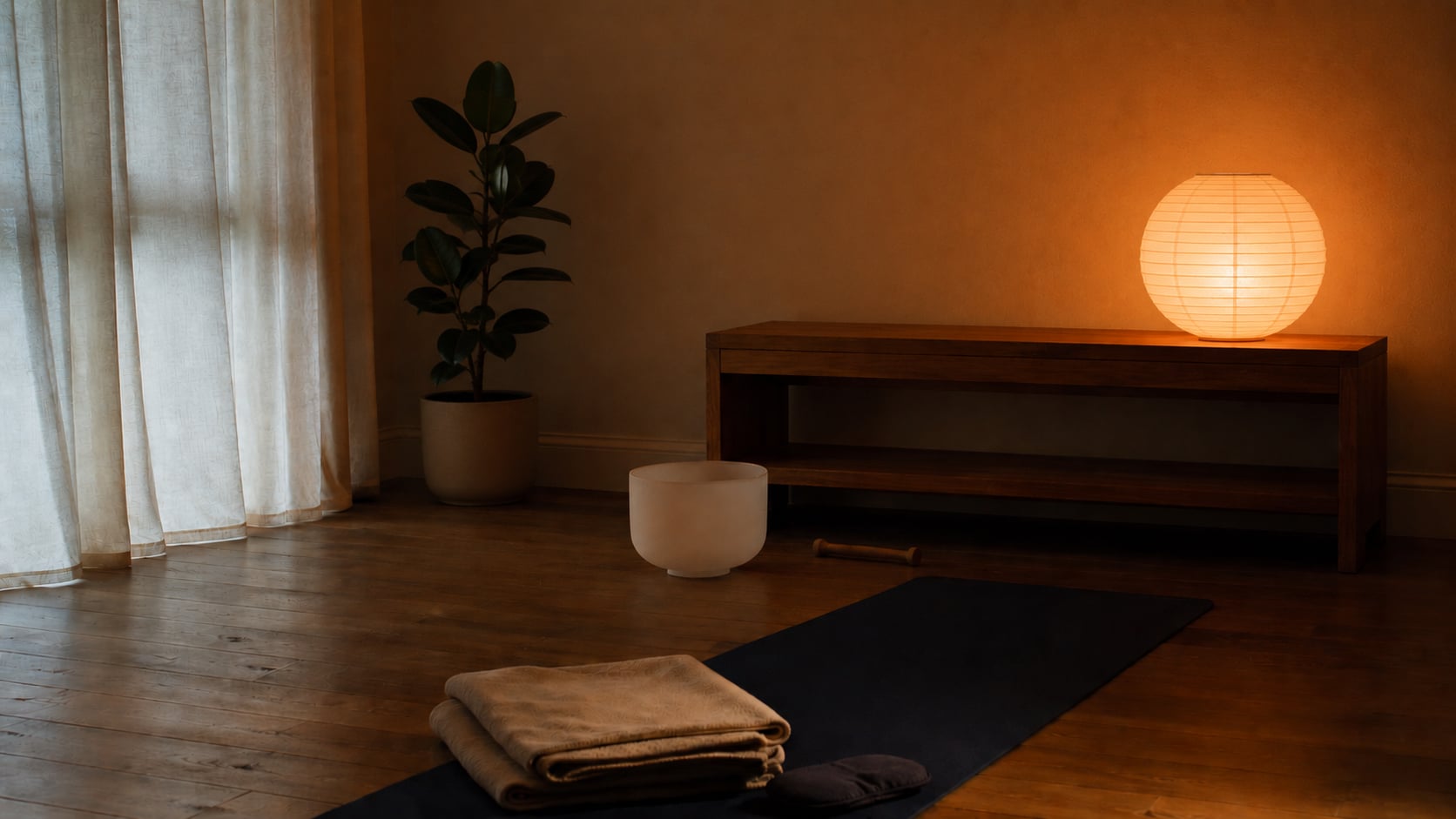
Turn the overheads off. Use lamps. Switch your phone to warm mode and your TV to a lower brightness. The bright, cool light in your kitchen and bathroom is telling your brain it’s still afternoon, which is part of why you can’t fall asleep.
Lower lighting in warmer color temperatures, at lower angles, is the biggest environmental change you can make for sleep. It will improve your sleep more than most supplements ever will, and it costs you nothing once the bulbs are in.

8. Pick One Thing That Isn’t A Screen
A book. A journal. A long bath. A real conversation with whoever you live with. A stretch on the floor while a record plays. Anything that isn’t designed to keep you scrolling. Twenty minutes of one analog activity before bed teaches your nervous system that the day is over.
daily wellness routine
How to Make This Actually Stick
9. Stack One Habit On top Of One You Already Have
This is the part nobody tells you, and it’s the reason most routines fall apart. You can’t add a new habit by sheer willpower. You add it by attaching it to something you already do without thinking. You already brush your teeth, so put the carafe of water on your nightstand right after. You already make coffee, so put the daylight lamp on the counter where you make it. Stack the new thing onto the old thing and you won’t have to remember it. Your existing habit will remember it for you.
10. Add One Thing A Week
Every January, people read a list like this, get fired up, try to do all of it on Monday, and quit by Thursday. I’ve done it myself. Don’t do it. Pick one thing. Run it for a week. When it stops feeling like effort, add the next one. Give it a couple of months, and you won’t remember a version of your morning without these in it. That’s the actual goal, not transformation, just a routine that holds up when life gets busy.
daily wellness routine
Frequently Asked Questions
Q. How long does a Daily Wellness Routine Actually Take?
If you run all ten of these, you’re looking at roughly 35 to 40 minutes total, spread across the day. Most of it is built into things you’re already doing, like drinking water, getting outside, and eating breakfast. The midday reset is the only piece that needs you to actually carve out a 12-minute window.
Q. What’s the Most Important Habit if I can only do one?
The midday reset. Twelve minutes between noon and two: go outside for four minutes, move your body for four minutes, sit in silence for four minutes. It’s the highest-leverage thing on the list because it resets your cortisol, your focus, and your energy at the exact hour most people lose the day to a slump.
Q. How do I stick to a Wellness Routine when I’m Busy?
Stop trying to add ten things at once. Pick one habit and stack it onto something you already do without thinking, like brushing your teeth or making coffee. Run that one for a week. When it stops feeling like effort, add the next. The whole routine eventually runs on autopilot, but it gets there one stack at a time.
Q. Why does Morning sunlight Matter so Much?
Morning light hitting your eyes within the first hour of waking sets your cortisol curve, which controls your energy, focus, and mood for the rest of the day. It also resets your circadian rhythm, which determines how easily you’ll fall asleep tonight. Ten minutes is enough. A window counts. The dog walk counts.
Q. Do I need to Wake Up at 5 A.M. for this to Work?
No, and please don’t. Nothing on this list requires a specific wake-up time. The routine runs in sequence from whenever you open your eyes to whenever you go to bed. A 7:30 wake-up works exactly as well as a 5:00 wake-up. The 5 a.m. thing is a personality choice, not a wellness one.
If you got this far, you have everything you need. Pick one thing this week. Add the next when the first stops feeling like effort. Give it a month. The routine will hold up better than you think, especially on the weeks you need it most.

I would love a pdf of this so I can post it in all the crucial places.
Finally, someone points out that not everyone gets real daylight before getting to work! Going to check out the daylight lamp
Thank you Bobby – yes, yes, yes 🙌 💗
These tips are absolutely fabulous; appreciate you for sharing and caring in what we truly need in our lives (besides you of course) Xx 🙂
Thank you
You are reckoning energy with a beautiful guiding light. Xx
Love and Light,
JaX
I feel better already just reading this post 😊 It’s so calmly put. Already do the water , will tackle that breakfast and geez that noon reset next. The way you’ve put it, it seems doable, and all free. So easy to fall into the scrolling trap. Thanks Bobby, such sensible ideas as always, and a bit of self discipline helps with all the rest of the ‘stuff’ 💖👋🤗
loved this article “The 10-Step Daily Wellness Routine That Actually Sticks”. because it is possible to handle even in a packed day and i don’t need to be a sporty spice person. thanks a lot 🙂 Greetings from Berlin, Sandra
I’ve written this out so I can revise without a screen… thank you, this sounds so achievable and effective. Off to loosen my desk bound neck and hips right now ☺️