Best Breathwork Techniques for Stress (What Actually Works)

I was definitely a breathwork skeptic. Then I was at a retreat in Tulum a few years ago, did a ninety-minute breathwork session, and ugly-cried for the last twenty minutes. Since then, breathwork has been the most consistent wellness practice I’ve done. Because it’s free, it works, and you can do it anywhere.
But if you search breathwork online, you’ll find three hundred techniques and a dozen people yelling about the wrong ones. So here’s my honest take on the techniques that work, when to use each, and the small tools that make it easier to actually practice at home.
See even more ideas to improve your wellness by reading the Best Home Yoga Studio Setup for Beginners, and The Morning Routine Setup to Actually Start Your Day Right.
Best Breathwork Techniques for Stress
Why Breathwork Works
Your breath is the one part of your autonomic nervous system you can consciously control. Slow it down, the stress response slows down. Speed it up, you activate. Breathwork is the cheat code.
Best Breathwork Techniques for Stress
My Favorite Techniques
Box Breathing (For High-Stress Moments)
Four counts in. Four counts hold. Four counts out. Four counts hold. Repeat for two minutes.
This is what Navy SEALs and ER nurses use. When my cortisol is spiking before a shoot, this is the first tool I reach for.
4-7-8 Breathing (For Falling Asleep)
Four counts in through the nose. Seven counts hold. Eight counts out through the mouth. Do four cycles and stop.
This is my nighttime routine. It’s so effective I’ve caught myself falling asleep mid-exhale.
Alternate Nostril Breathing (For Focus)
Close your right nostril with your thumb, inhale through the left. Close the left with your ring finger, exhale through the right. Inhale right, close it, exhale left. That’s one round. Ten rounds and your brain feels rinsed. I do this before any creative meeting.
Long Exhale Breathing (For Anxiety)
Inhale four counts. Exhale eight counts. That’s it. Do it for ten minutes.
The long exhale is the most underrated stress-buster on the planet. Whenever your exhale is longer than your inhale, you’re telling your nervous system that you’re safe.
Wim Hof Breathing (For Energy)
Thirty fast, full breaths, then hold on empty. Repeat three rounds.
Not for bedtime. This wakes you up like cold water. I use it when I’ve had a terrible night’s sleep and I have to be on camera in an hour.

Best Breathwork Techniques for Stress
My Favorite Tools for Home Practice
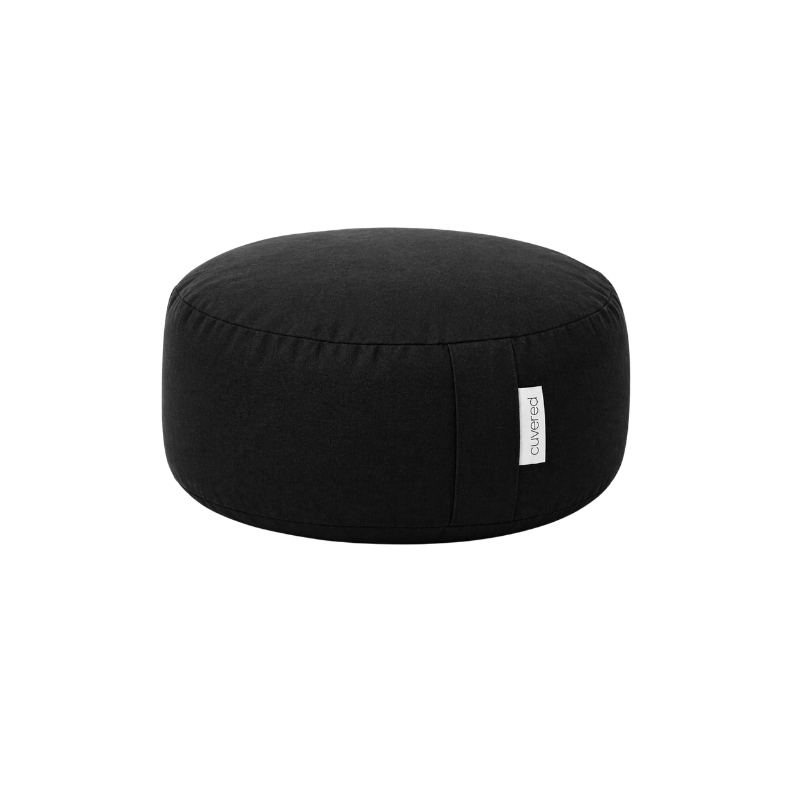
A Meditation Cushion
Breathwork from a chair works, but something about sitting on a cushion tells your body we’re doing this now.
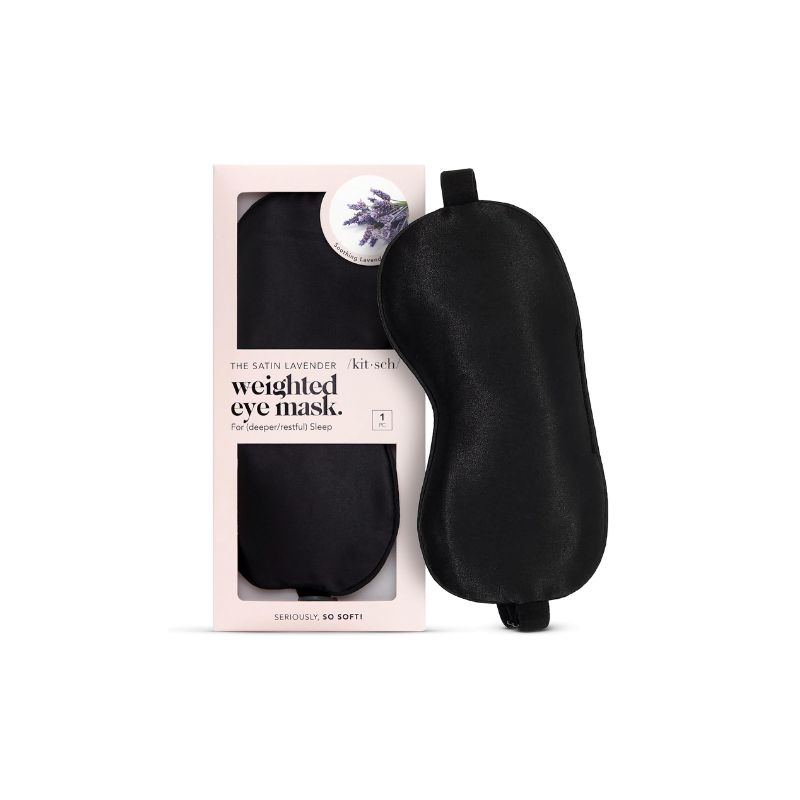
A Weighted Eye Pillow
Put this over your eyes during a longer breathwork session. Instant calm. The gentle pressure on your eyelids signals safety to your nervous system.
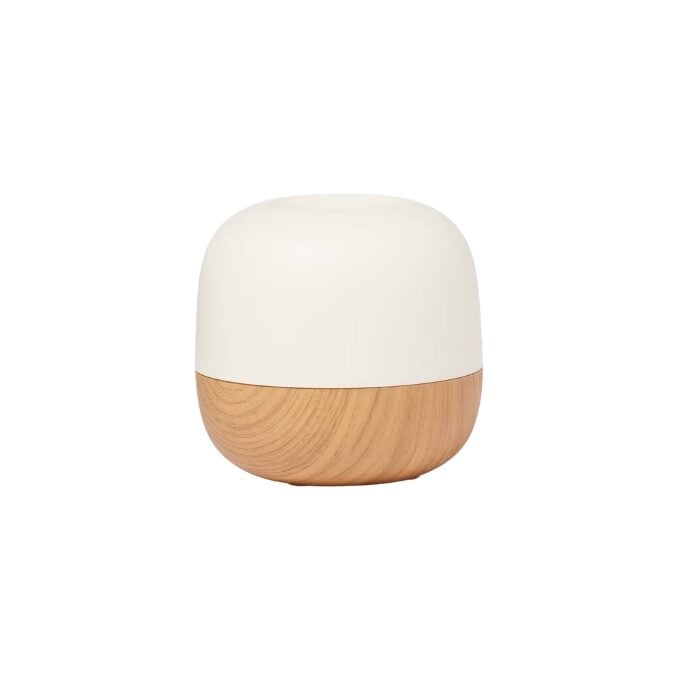
Essential Oils
Lavender for calm. Peppermint for focus. Eucalyptus for breathing open.
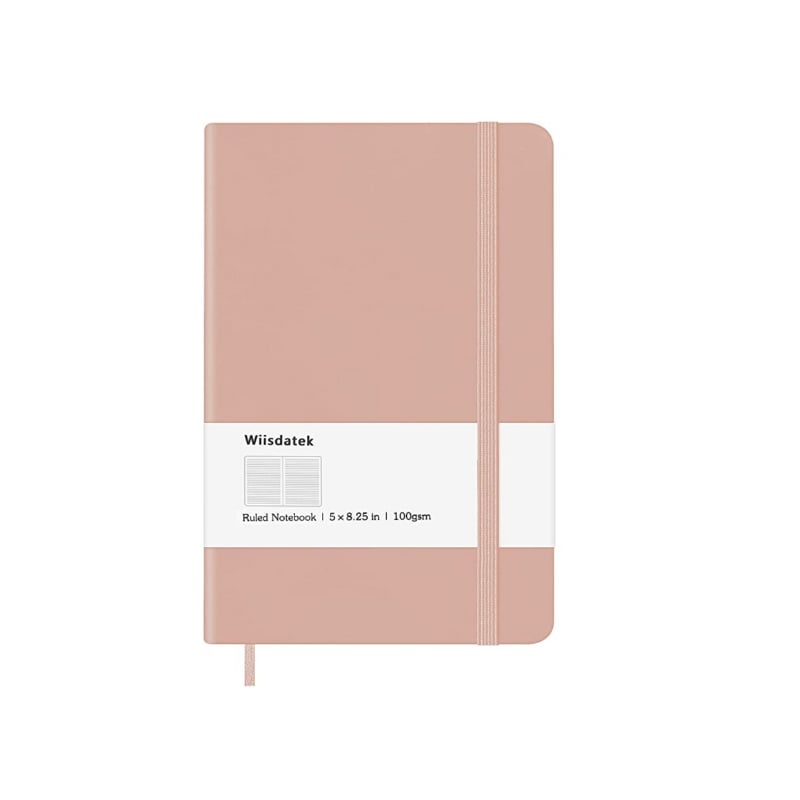
A Journal
The insights that come up during breathwork are gold. Write them down within five minutes of finishing, or you’ll lose them.
Best Breathwork Techniques for Stress
The Mistakes I Made (So You Don’t Have To)
Doing it too fast.
Most people think breathwork means fast breathing. Most breathwork is slow. Slow is the medicine.
Skipping the Integration.
The practice is only half the work. Sitting quietly for five minutes afterward is the other half.
Expecting Fireworks.
Some sessions are quiet. Some crack you open. Both are working.
How to Build the Habit
Five minutes, same time, same place, every day. That’s the whole trick. I do mine before coffee, which sounds psychotic until you try it.
When to Seek More
If breathwork is cracking things open that you’re not equipped to handle alone, find a trained practitioner. This is real somatic work, not just deep breathing.