Best Home Yoga Studio Setup for Beginners (Everything You Need)

The first time I tried yoga at home, I was rolling around on a carpet in a hotel bathrobe with a free app on my phone. Ten years later, I’ve built yoga rooms for clients, I’ve practiced in actual studios all over the world, and I’ve landed on a pretty strong opinion: home yoga is the most underrated wellness investment you can make.
Studios are great. Instructors are great. But the honest truth is that the yoga you actually do five mornings a week in your living room is worth more than the yoga class you get to three times a year. A good home setup is what makes the habit stick.
Here’s exactly how I’d create a home yoga studio setup for a beginner, including every piece I’d buy (and a few I’d happily skip).
See how I created a stunning yoga deck at my vacation retreat, Casa Tierra.

home yoga studio setup
Step One: Pick Your Space
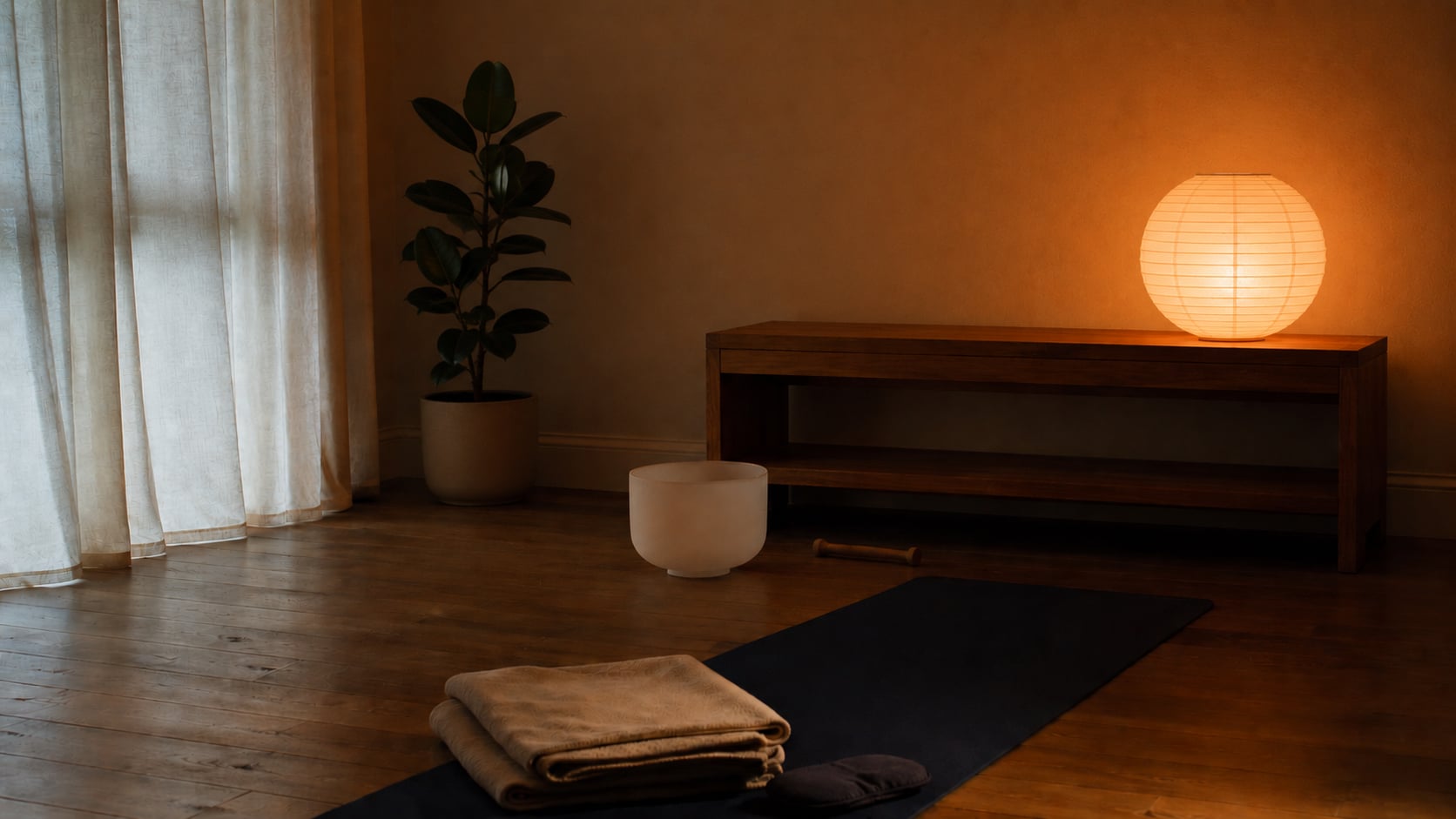
Before you buy anything, pick your spot. You need a stretch of flat floor that’s at least seven feet long and four feet wide. That’s the minimum for a full down dog without knocking over your water bottle.
Good home yoga spaces tend to be near a window for light, far from a doorway or high-traffic area, and on a floor you actually like (wood, cork, or low-pile rug, not thick carpet).
home yoga studio setup
My Favorite Beginner Yoga Essentials
Here are the items you need to start practicing yoga at home.

The Mat
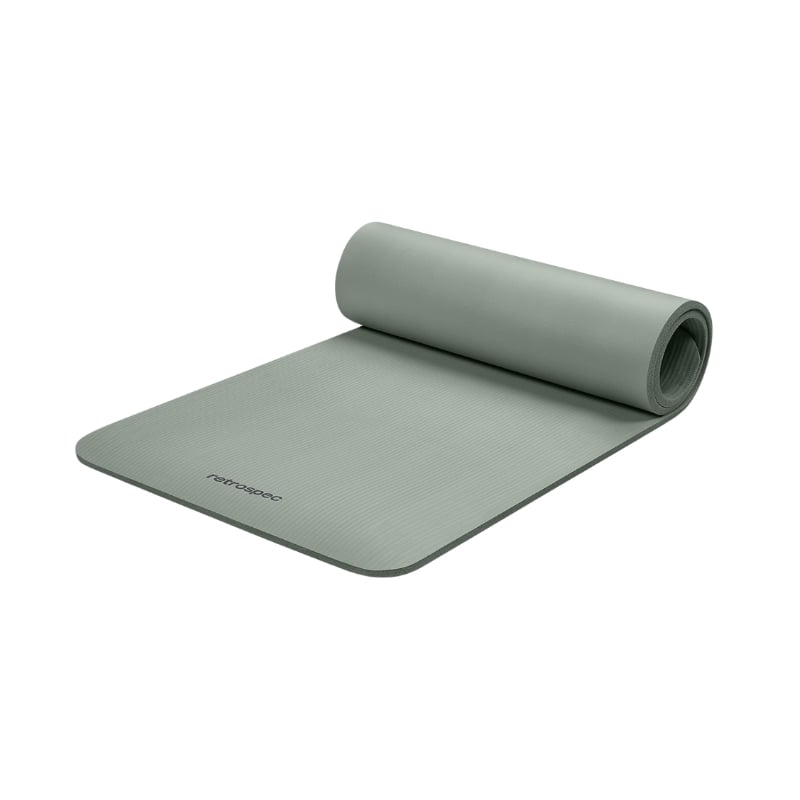
This is the one thing worth spending a little more on. A cheap mat will slip, crack, and smell weird. I like thicker mats for beginners because your wrists and knees are still getting used to the load. Get something made of natural rubber, five millimeters at minimum, and in a color you actually want to look at.

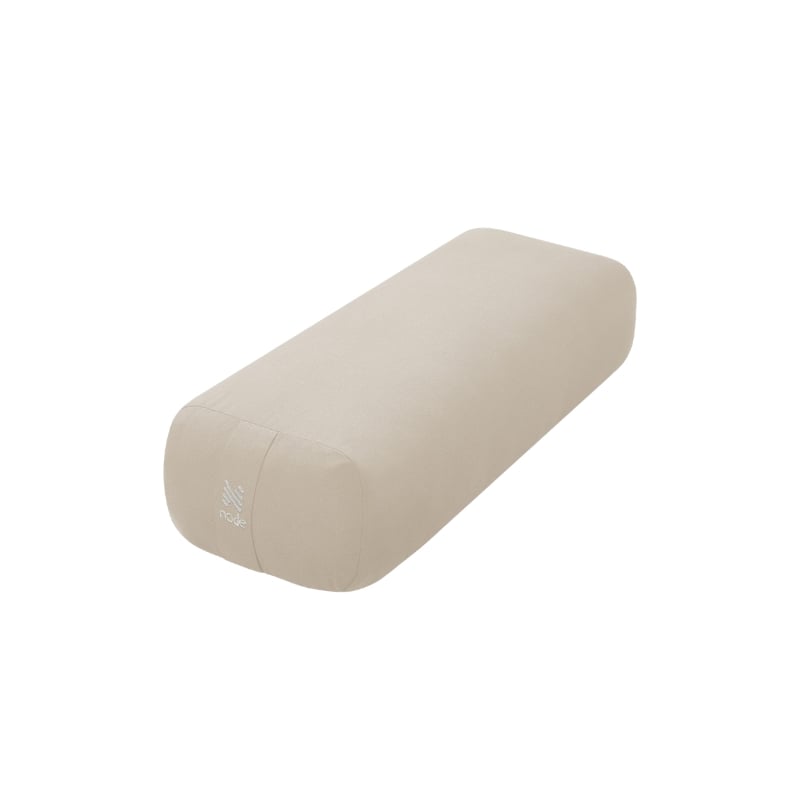
Yoga Blocks
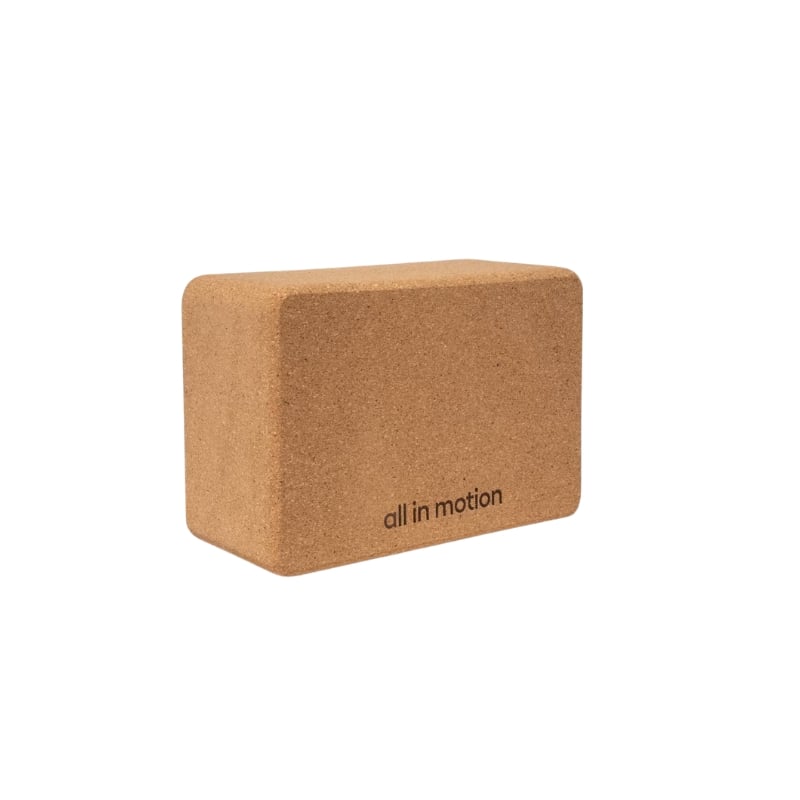
Yoga blocks are used for a number of moves and to support your head. Buy two. Always two. Foam is fine to start, but cork is nicer to the touch and more stable under weight.
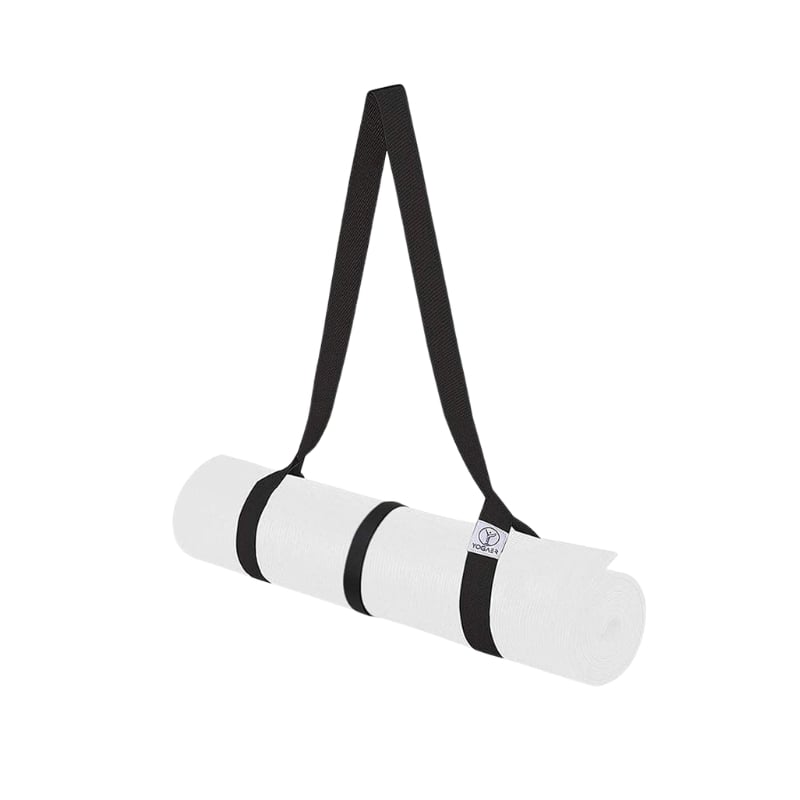
Strap
Don’t skip this. If your hamstrings are tight (and they are), a strap is the difference between touching your toes and giving up.

home yoga studio setup
The Room Design That Makes You Show Up
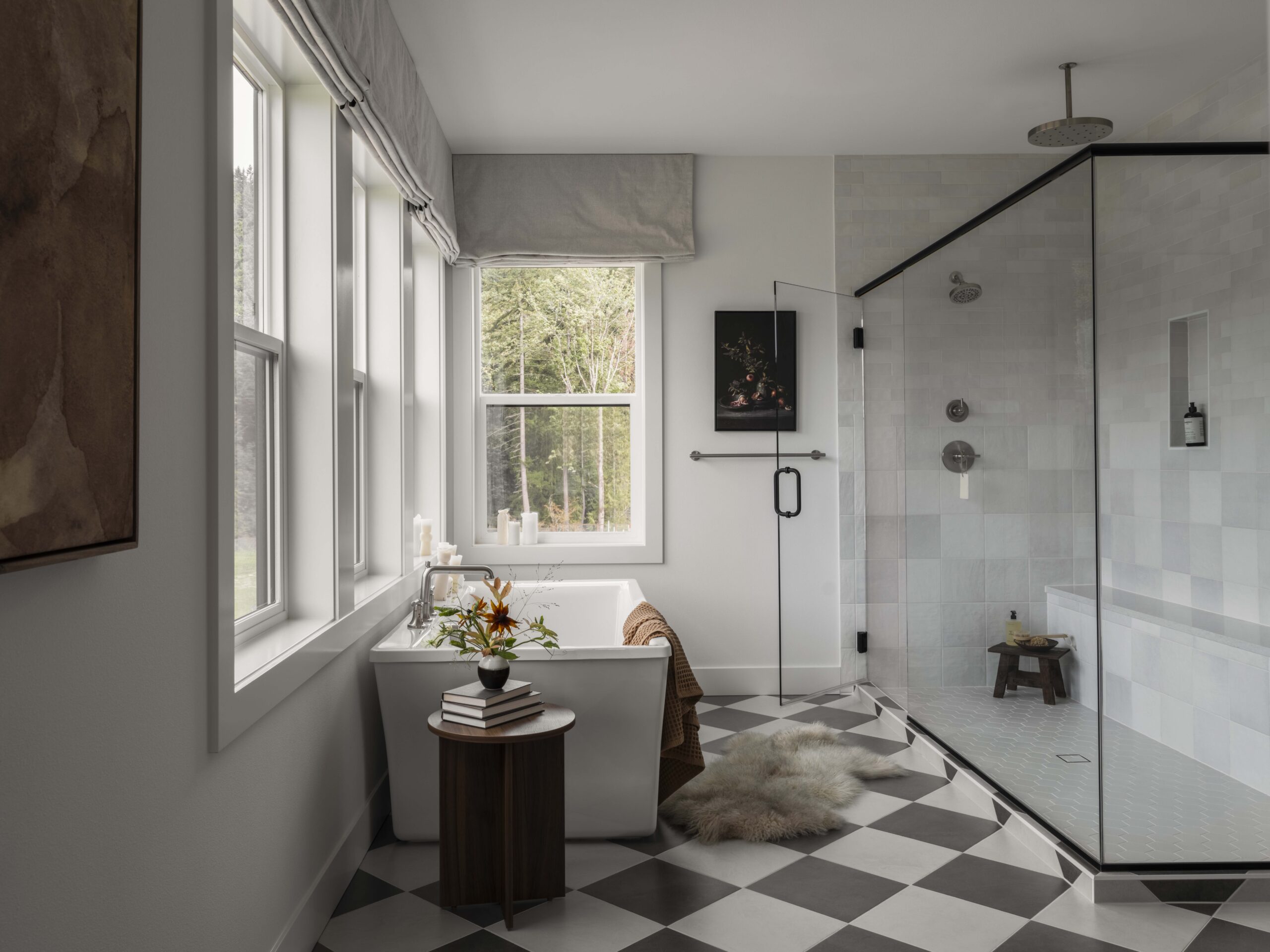
Here’s the design trick nobody talks about: your yoga space should look good with the mat rolled out and good with it rolled up. If it only looks good empty, you won’t leave the mat out. If you don’t leave the mat out, you won’t practice.

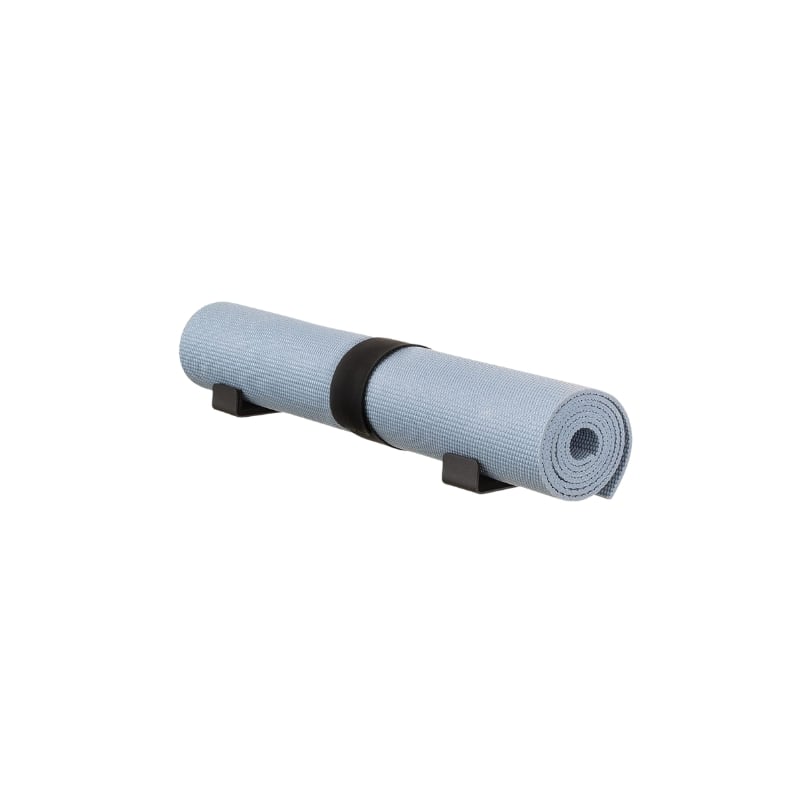
Wall-Mounted Mat Holder
Keeps your props tidy but accessible. The moment your mat lives in a closet, it’s over.
Mirror (Yes, Really)
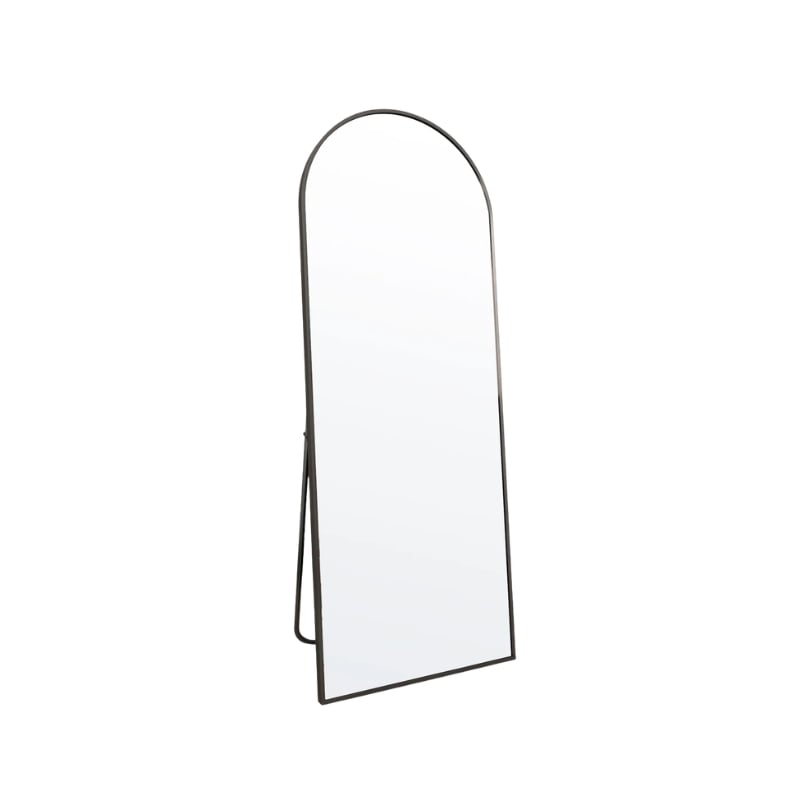
A full-length mirror in a home yoga space is controversial, I know. But for beginners, it’s the single fastest way to correct your alignment. Pick one you like looking at even when the mat is put away.


Lighting You Can Dim
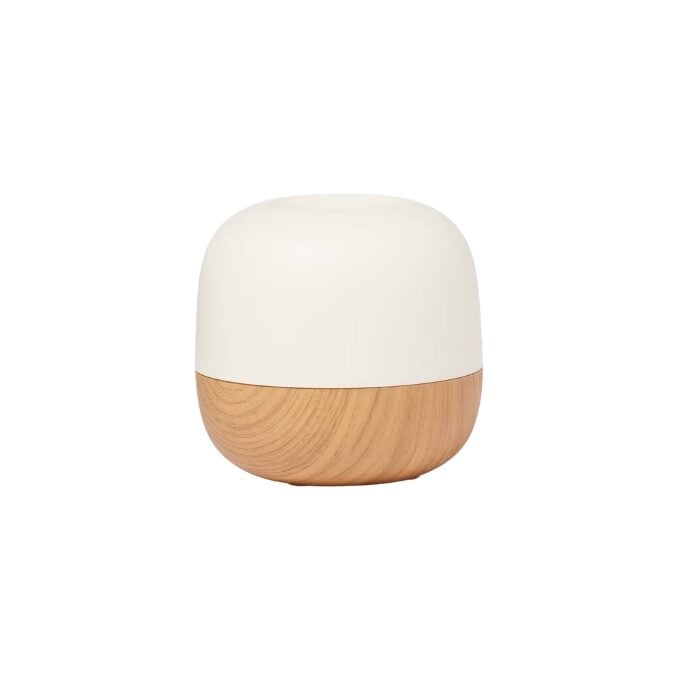
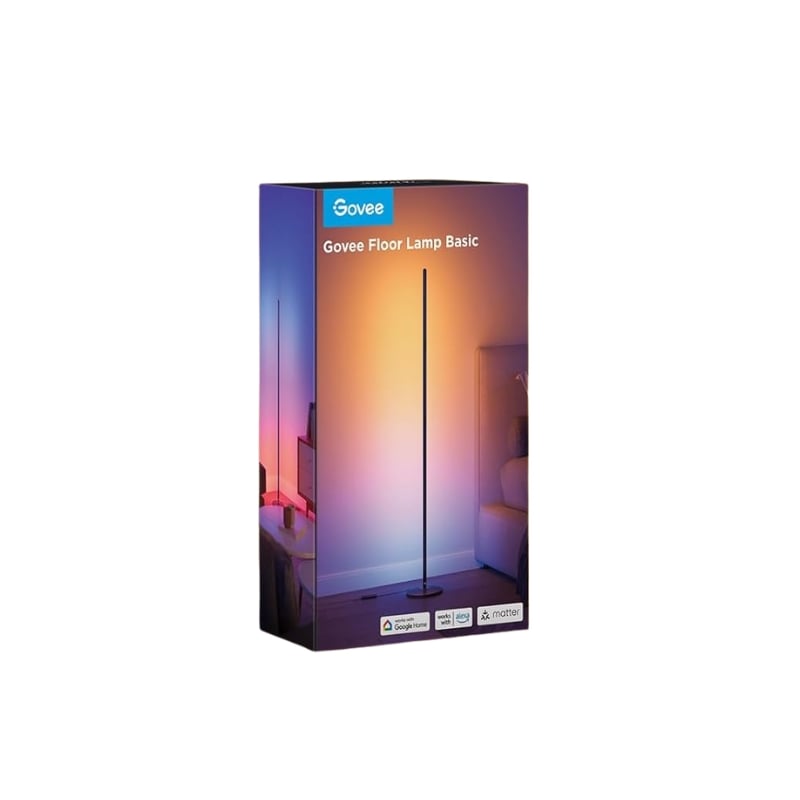
Overhead lighting is death to yoga. A floor lamp with a dimmer, a salt lamp, or warm string lights will change the whole mood.
Flooring
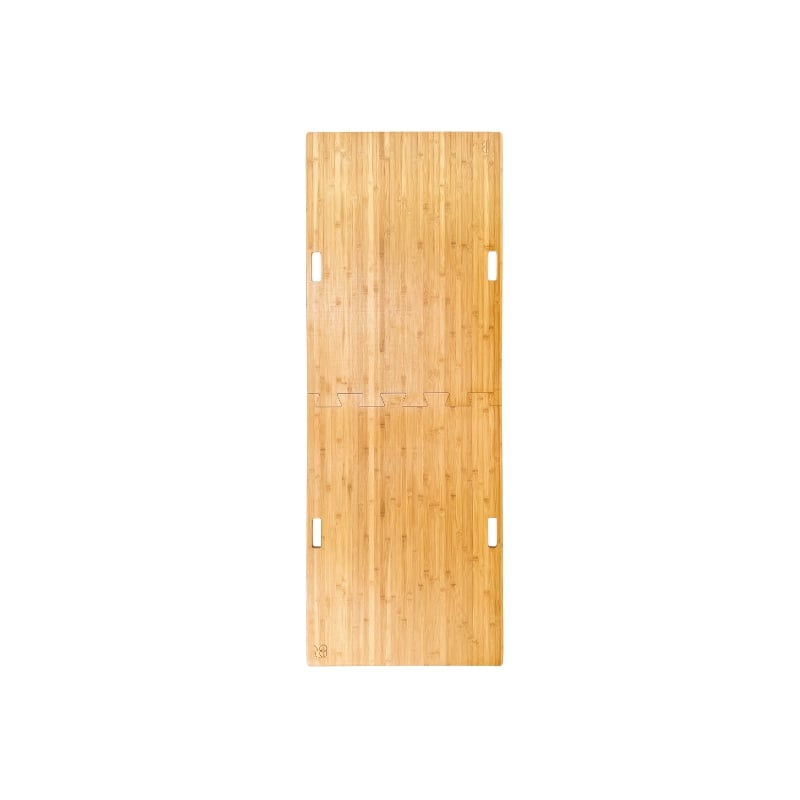
If you have the option, cork or hardwood is ideal under a yoga mat. Carpet will ruin your balance. If you’re stuck with carpet, a thicker mat or a wood mat board will save you.
home yoga studio setup
Beginner Mistakes to Avoid
I’ve seen a lot of home yoga setups that never got used. Here’s why:
-
Too much gear. You don’t need seven blocks, three bolsters, and a yoga wheel on day one.
-
Wrong room. Don’t put your yoga mat in a basement that’s cold and depressing. You won’t go there.
-
No light. Trying to practice in a dim corner is a fast way to make yoga feel like a chore.
home yoga studio setup
The Real Move Is Consistency
Once your space is built, make a deal with yourself: ten minutes a day, every day, for thirty days. That’s it. Doesn’t matter what style, it doesn’t matter how advanced. Just the habit.