Authentic Chimichurri Steak Recipe (Argentine-Style)

Chimichurri was one of the breakout flavors of 2025. Number three most-searched recipe globally on Google. It earned that spot the way real food trends do, which is through generations of people in Argentina and Uruguay making it for cookouts in their backyards, until eventually a critical mass of American home cooks discovered it and put it on social media.
The first time I had real chimichurri was in Buenos Aires, where it is served at every parrilla (Argentine steakhouse) alongside grilled meats. Not on top. Beside. You spoon it on yourself, every bite getting a slightly different ratio of meat to sauce. The version I had was so bright and garlicky and herby that I thought about it for the next year. I came home and tried to recreate it. The first three attempts were not it. The fourth attempt was right.
What I learned: Chimichurri is simple but not easy. Six ingredients. Specific proportions. Patience with the resting time. Get those right, and the sauce will change how you think about steak forever. So let me show you my Chimichurri Steak recipe.
See more of my favorite recipes: Marry Me Chicken, Chia Pudding, and Homemade Pasta Dough.
Chimichurri Steak recipe
The Story Behind Chimichurri
Chimichurri is the national sauce of Argentina, though Uruguay also claims it. The exact origins are murky. One story credits a 19th-century Irish soldier named Jimmy McCurry who fought in the Argentine wars of independence and brought a parsley sauce with him. “Jimmy McCurry” got slurred into “chimichurri.” Another story credits Basque settlers who brought a green herb sauce called tximitxurri. Either way, the sauce became deeply embedded in Argentine asado (barbecue) culture by the late 1800s.
Today, chimichurri shows up at every Argentine asado. It is the only sauce on the table at most parrillas. It is so essential to the cuisine that asking for ketchup with your steak in Buenos Aires is a deeply weird move.
The recipe I am giving you is chimichurri verde, the classic green version. There is also a red version, chimichurri rojo, which adds paprika and red pepper. But verde is the original and the one that won the 2025 search rankings.
Chimichurri Steak recipe
Why This Recipe Works
Three rules, non-negotiable
Hand Chop the Herbs
Do not put parsley and garlic in a food processor. The blades bruise the herbs and release chlorophyll and bitter compounds. You end up with green sludge instead of chimichurri. Use a sharp knife and chop everything fine by hand. This takes 5 minutes. It is worth every second.
Use Red Wine Vinegar
Not white wine vinegar. Not apple cider. Not balsamic. Red wine vinegar has a depth that the others lack. The slight tannic, almost-fruity quality is part of what makes chimichurri taste like chimichurri.
Let it Rest at Room Temperature
At least 30 minutes. Ideally 60. The garlic mellows, the herbs hydrate in the oil, and the flavors meld into one sauce instead of separate ingredients. Skipping this step is the single biggest mistake home cooks make.

Chimichurri Steak recipe
Ingredients
For the chimichurri (makes about 1 cup, enough for 4 servings):
- 1 cup fresh flat-leaf parsley
Finely chopped Italian parsley, not curly. Pack it loosely in the measuring cup. The leaves only, mostly. A few tender stems are fine.
- 4 cloves of garlic, minced
Use a microplane or mince with a knife. Pressed garlic is too pulpy.
- 1 tablespoon fresh oregano
chopped (or 1 teaspoon dried). Fresh is better, but dried is acceptable.
- 1 teaspoon red pepper flakes
Adjust to taste. The traditional Argentine version uses local aji molido.
- 3 tablespoons red wine vinegar
Get the good stuff. Not the cheap supermarket kind.
- 1/2 cup extra virgin olive oil
A grassy, peppery olive oil. Spanish or Argentine if you can find it.
-
1 teaspoon kosher salt
-
Freshly cracked black pepper
For the steak:
-
1.5 to 2 pounds flank steak (or skirt, hanger, or ribeye)
-
2 teaspoons kosher salt
-
1 teaspoon freshly cracked black pepper
-
2 tablespoons neutral oil
(grapeseed or avocado, high smoke point)

Chimichurri Steak recipe
Instructions
Make the chimichurri first. This is non-negotiable. The sauce needs time to rest.
1. Combine the chopped parsley, minced garlic, oregano, red pepper flakes, red wine vinegar, and salt in a glass bowl. Stir thoroughly.
2. Slowly pour in the olive oil while stirring with a fork. You are not emulsifying. You are folding the oil in, so it carries the herbs.
3. Crack fresh black pepper over the top. Stir once.
4. Cover loosely with a kitchen towel (do not seal it airtight). Let it sit at room temperature for at least 30 minutes. An hour is better. Two hours is even better.
Cook the Steak
5. Take the steak out of the fridge 30 minutes before cooking. Cold meat does not sear well.
6. Pat the steak completely dry with paper towels.
7. Season aggressively with salt and pepper on both sides. Press the seasoning into the meat.
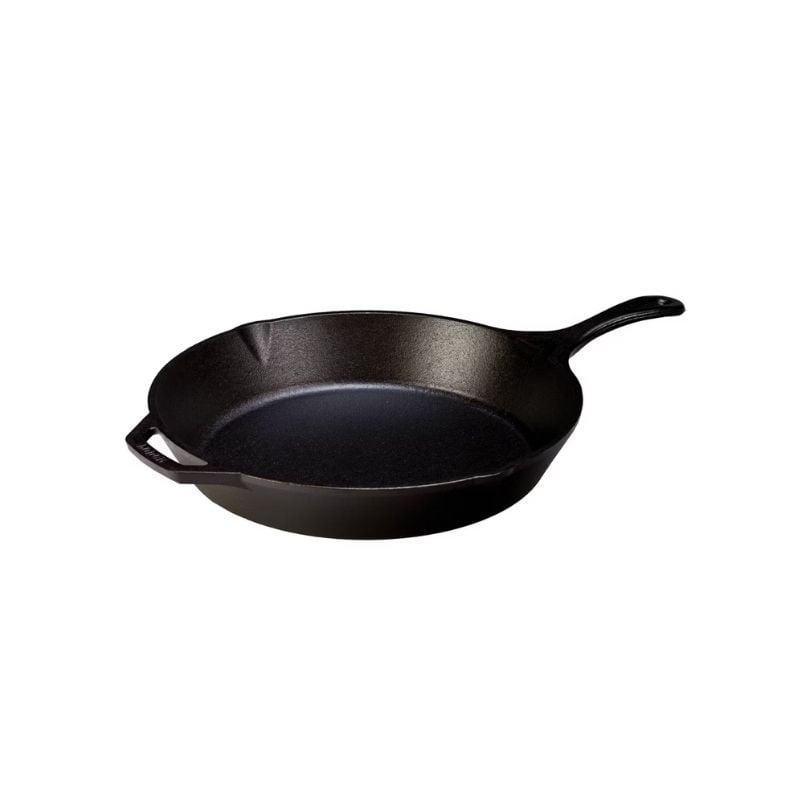
8. Heat the neutral oil in a cast-iron skillet over high heat until it is shimmering and just about to smoke. Or fire up the grill to high.
9. Sear the steak for 4 to 5 minutes per side for medium-rare (130 to 135°F internal). For a thick cut like ribeye, sear 3 minutes per side, then finish in a 425°F oven until it hits temperature.
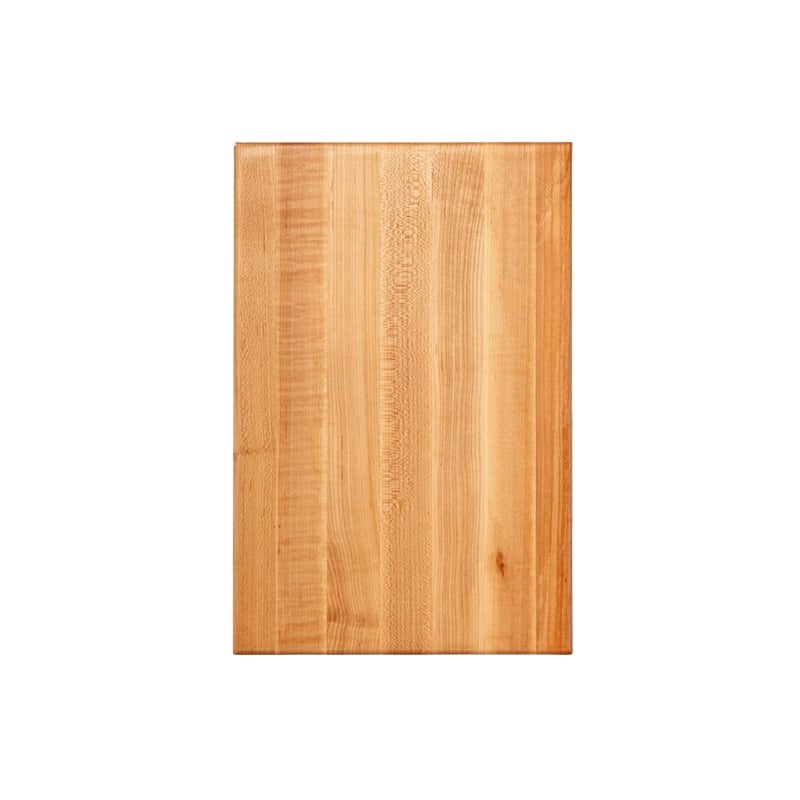
10. Transfer to a cutting board. Let it rest for 10 minutes minimum. This is non-negotiable. Cut into it early and all your juices run onto the board instead of staying in the meat.
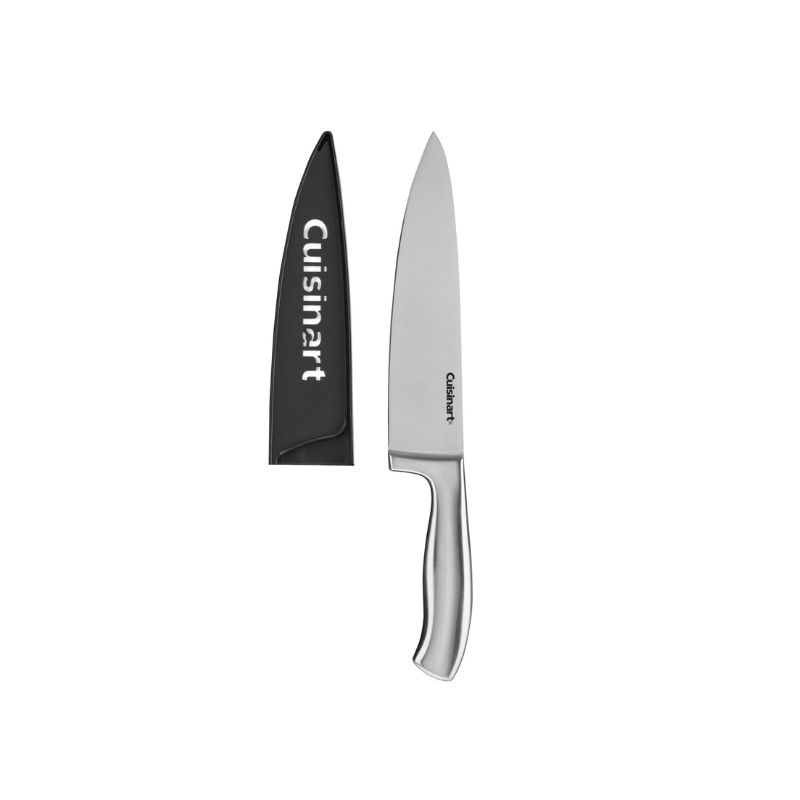
11. Slice across the grain on a slight bias into thin ribbons. The “across the grain” part matters. Look at the meat fibers running through the steak. Cut perpendicular to them.
12. Pile the slices on a platter. Spoon a generous amount of chimichurri over the top. Serve the rest in a small bowl beside the steak for more dipping and spooning.
Chimichurri Steak recipe
Tips From My Kitchen
Chop the Herbs into a paste-like fine texture by hand.
The finer the herbs, the better they integrate into the oil. Run your knife through the parsley five or six times in different directions until it is almost mince-like.
Use a Microplane for the Garlic
It gives you a finer, more even mince than a knife and saves your fingers. If using a knife, sprinkle a pinch of salt on the garlic as you mince to make it easier and break it down into a paste.
Save the Parsley Stems
The tender stems near the leaves have the most flavor. Chop them in with the leaves. Discard the thick, woody stems at the bottom.
Toast the Dried Oregano
in a dry pan for 30 seconds if that is what you are using. It brings out the flavor.
Cook your Steak Hotter Than you Think
Most home cooks underheat the pan because they are afraid of smoke. A proper steak sear needs serious heat. Open a window if you have to.
Use a Thermometer
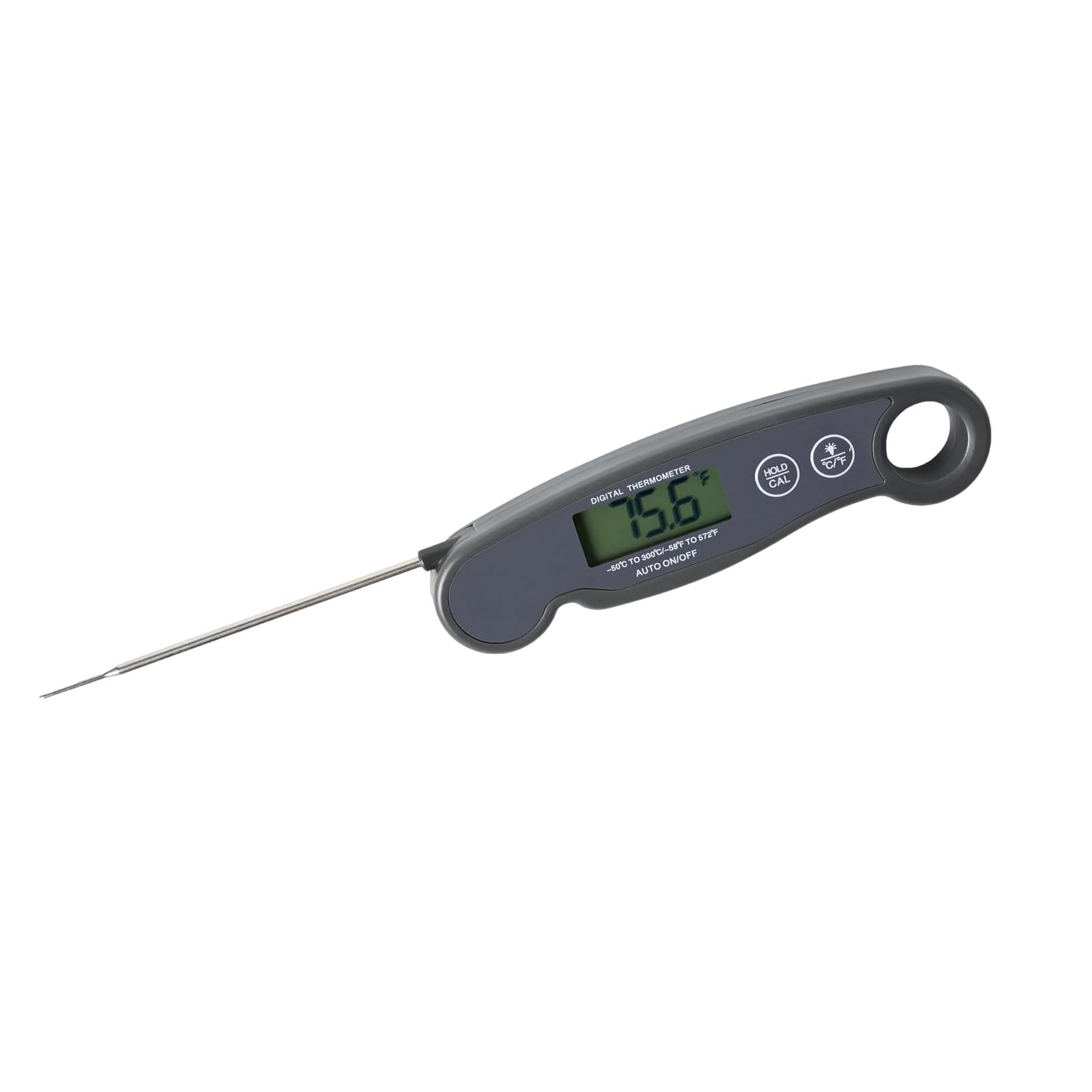
Steak by feel is a skill that takes years. Thermometer use takes 30 seconds. Medium rare is 130 to 135°F. Pull at 128°F (carryover heat takes it to the temperature).

Chimichurri Steak recipe
Make Ahead and Storage
Chimichurri
Improves with time. Make up to 5 days ahead. Store in the fridge in a sealed glass jar. Bring to room temperature before serving (the oil firms up cold). Stir before using.
Steak
Best cooked just before eating. If you must hold cooked steak, slice and lay it on a sheet pan tented with foil in a 200°F oven.
Leftovers
Sliced cold steak the next day is genuinely fantastic over a salad with chimichurri spooned on top. Add some shaved parmesan, arugula, lemon, and capers.
Long-term Storage
Chimichurri freezes well in ice cube trays. Pop a cube out and thaw whenever you need a hit of sauce on grilled meat or fish.
Chimichurri Steak recipe
Frequently Asked Questions
Can I use cilantro instead of parsley?
That makes it more like a Mexican salsa verde, not chimichurri. Still delicious, just not the same sauce.
Why is my chimichurri bitter?
You probably used a food processor and bruised the herbs. Or you used dried herbs only, with no fresh. Or your olive oil is too aggressive (overly peppery). Try again with hand-chopped fresh herbs and a milder oil.
What is the difference between chimichurri verde and rojo?
Verde is the classic green version with parsley as the base. Rojo adds paprika, red pepper, and sometimes roasted red peppers for color and depth.
Can I make chimichurri without vinegar?
No. The acid is essential to the sauce. Lemon juice can substitute in a pinch, but the flavor is different and noticeably less Argentine.
How long does chimichurri last in the fridge?
Up to 2 weeks. The flavor actually improves for the first 3 to 4 days as the garlic mellows. After a week, the herbs start to lose their fresh quality but it is still good.
What cuts of steak are best with chimichurri?
Flank, skirt, hanger, and ribeye are traditional. Flank is what I use most. Skirt has more flavor but cooks faster and is unforgiving. Hanger is a butcher’s secret. Ribeye is more luxurious. Any of them work.
Can I marinate the steak in chimichurri?
You can use chimichurri as a marinade, but the vinegar will start to “cook” the meat (denature the proteins) if you leave it too long. 30 to 60 minutes maximum. Personally, I prefer to use it as a sauce on top after cooking, which keeps the herbs bright and the meat properly seared.
What if I do not eat red meat?
Chimichurri is spectacular on grilled chicken thighs, salmon, swordfish, and even on roasted cauliflower steaks. Do not let the steak be the only thing it touches.
Chimichurri Steak recipe
Why I Keep Making This
Chimichurri taught me that the best sauces are not sauces in the French sense. They are not reductions or emulsions or technique-heavy. They are seasonings. Herb mixtures held together by acid and oil. Built to make the main thing taste more like itself, not to cover it.
I keep a jar of chimichurri in the fridge most weeks. I spoon it on eggs. On grain bowls. On grilled vegetables. On bread with sliced tomatoes. The steak is the headline, but the sauce is the workhorse.
It also reminds me of Buenos Aires, of dinners that started at 10 p.m. and ended at 2 a.m., of being the loudest table in the restaurant. That memory is built into every bite. The best food makes you travel without going anywhere.