How to Make Pasta from Scratch (Plus 3 Easy Recipes)

What’s better than a delicious plate of pasta? A plate of pasta that you made from scratch! Although I’ve always thought making my own dough would be way too challenging (and time-consuming), I learned just how easy – and fun – it is to make your own! Try this recipe for yourself (along with 3 tasty dishes you can make with your homemade pasta dough).
Check out even more of my favorite recipes: How to Make Boxed Pancake Mix Better, Jackfruit Tacos, and Air Fried Brussels Sprouts.

homemade pasta dough
What You Need To Know About Pasta Dough
Making your own pasta dough is as much an art as it is a science. It may sound intimidating, but it is actually surprisingly simple; you really only need flour, eggs, olive oil, and salt. The magic is in the texture: fresh pasta has a silky, tender bite that dried pasta just can’t replicate, and it cooks in a fraction of the time (we’re talking 2–3 minutes instead of 10+). The key thing to understand is that pasta dough is forgiving and tactile, and it’s less about exact measurements and more about learning how the dough should feel in your hands. Once you’ve made it a couple of times, you’ll develop an instinct for when it needs a little more flour or a splash of olive oil, and the whole process becomes second nature.

Ingredients
-
2 to 2 1/2 cups all-purpose flour
-
I like to use 00 flour (the package might say pizza flour). Its texture will give you a softer, silkier dough.
-
-
3 eggs
-
1 tbsp olive oil
-
1 tsp kosher salt
Recipe
This is my basic recipe, but every time I make it, I have to tweak it a bit to get the right consistency. You may have to add a little more flour if the dough is too wet, or maybe a splash more olive oil if it’s too dry. That’s why I always suggest using your hands to knead it. A mixer is fine to get it started, but sometimes you just have to get your hands dirty!
Makes approximately 1 lb of pasta (4 servings)
Directions
- Put flour in a large mixing bowl and make a well in the center. Crack eggs into the well and add olive oil and salt.
- Using a fork, lightly beat eggs, slowly mixing in flour as you do.
- Once the egg mixture starts to get too solid to mix with a fork, use your hands to mix and knead the dough until it forms a consistent mixture. It should be a smooth and elastic dough, able to stretch out without breaking.
- Cover with plastic wrap and refrigerate for at least 20 minutes.
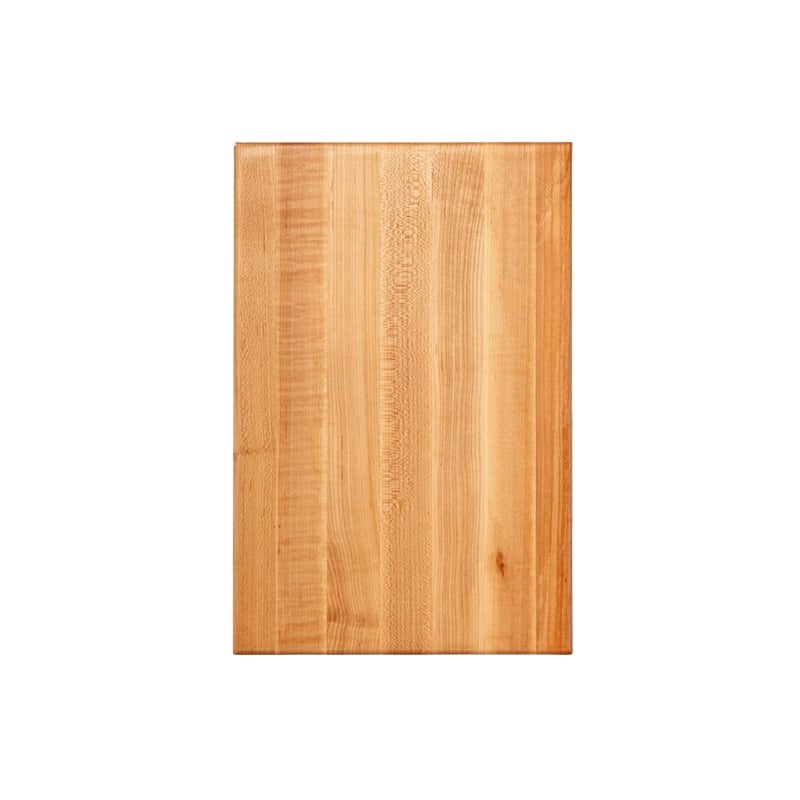
- Remove from the fridge and place on a floured working surface. Roll out and cut into the desired shape.
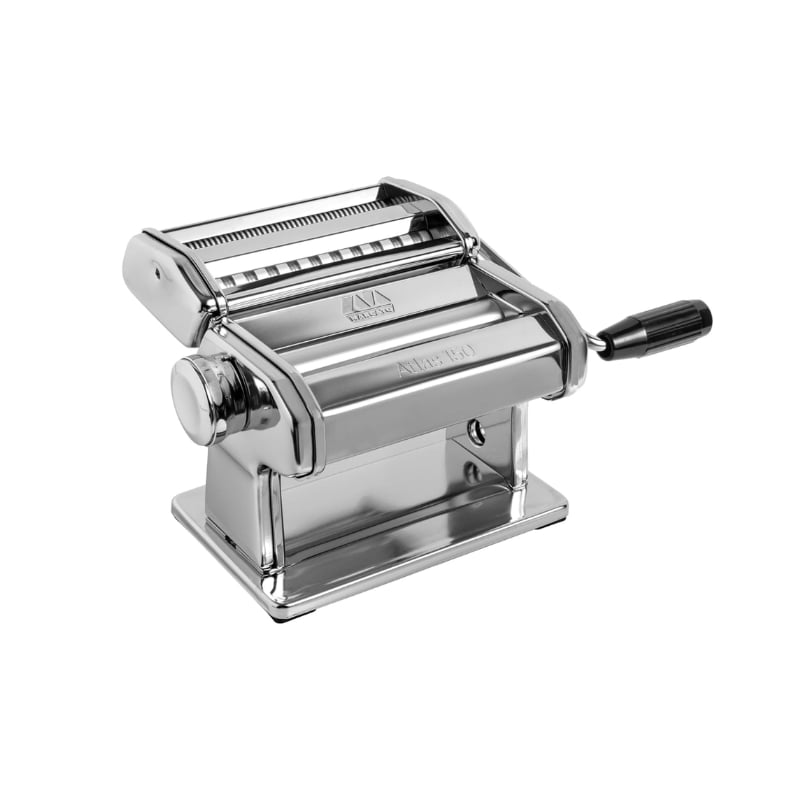
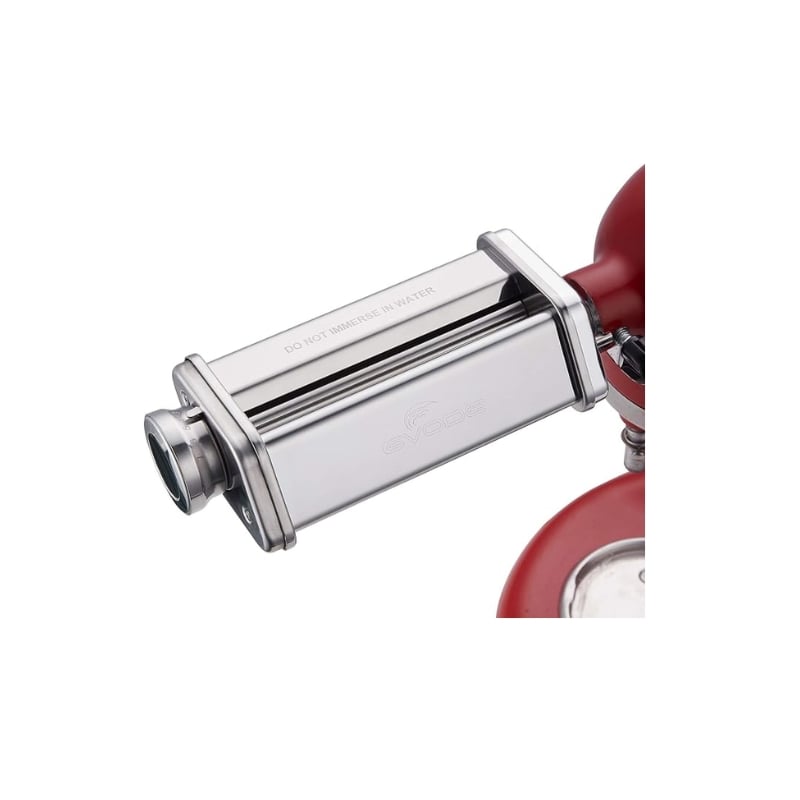
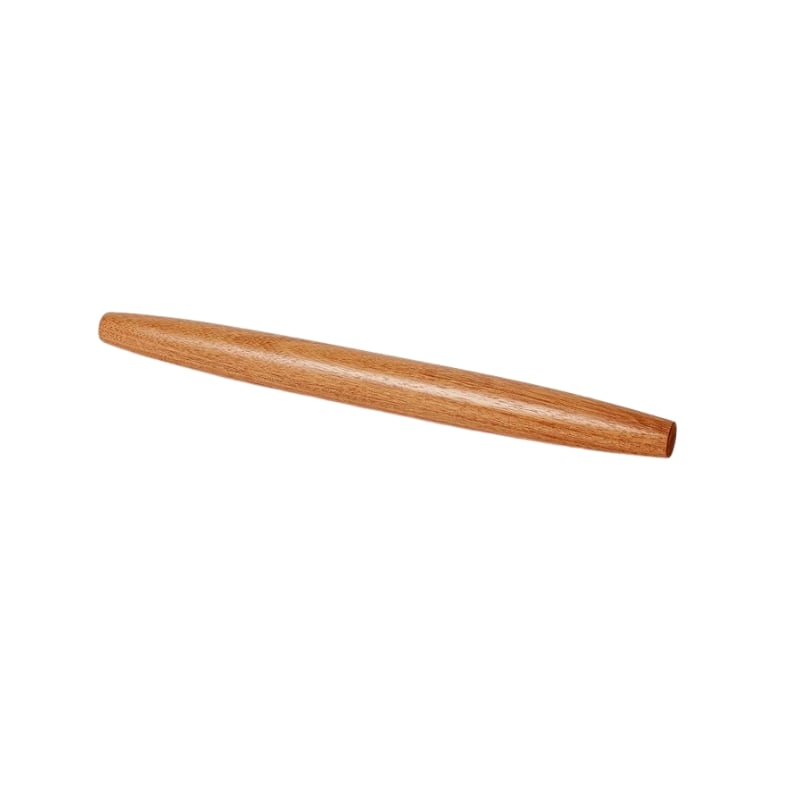
- I use a hand-crank pasta roller to achieve my desired thickness and shape. I can roll out large sheets for ravioli or lasagna, cut a thicker noodle-like fettuccini, or thin angel hair style. If you don’t have a pasta roller or attachment for a KitchenAid mixer, you can use a rolling pin and then cut a thicker noodle like pappardelle by hand.
homemade pasta dough
Tips for Perfect Pasta Dough Every Time
The single most important step is kneading — work the dough for at least 8–10 minutes until it feels smooth, elastic, and springs back when you poke it. If your dough is too sticky, dust in a little more flour a tablespoon at a time; if it’s dry and cracking, wet your hands slightly and keep kneading rather than adding water directly. Always let the dough rest for at least 30 minutes before rolling, because this relaxes the gluten and makes it far easier to work with.
homemade pasta dough
How to Store and Freeze Fresh Pasta
Uncut pasta dough keeps well in the fridge for up to two days- just wrap it tightly in plastic wrap so it doesn’t form a dry crust on the outside. If you’ve already cut your noodles, toss them lightly with flour, twist them into small nests on a parchment-lined baking sheet, and refrigerate for up to 24 hours. For longer storage, freeze those nests on the baking sheet until firm (about an hour), then transfer them to a freezer bag where they’ll keep for up to a month. When you’re ready to cook, drop frozen pasta straight into boiling salted water with no need to thaw (it’ll just need an extra minute or so to cook).
Shop Pasta Making Supplies

Cacio e Pepe Recipe
In Italian, this translates to “cheese and pepper”. This classic, simple dish really highlights the freshness of the homemade pasta. I also love it because it’s easy to whip up in just a few minutes!
Ingredients
- 4 oz fresh pasta dough
- kosher salt
- 2 tbsp unsalted butter
- 1/4 cup freshly grated parmesan
- cracked black pepper
- 1 tsp fresh lemon zest
Recipe
- In a pot, bring 3 cups of water to a boil. Season with a pinch of salt and add pasta, cooking until al dente.
- Fresh pasta is going to cook a lot faster than store-bought because it hasn’t been dried out. So if you’re using a thinner cut like this, then it will probably only take 2-3 minutes. You want to pull it out a little before it’s done, so it can finish cooking in the butter.
- While the pasta is cooking, melt butter in a pan over low heat. Add a pinch of salt and pepper.
- Remove pasta from boiling water, drain, and add to melted butter. Turn the heat to medium and simmer for another 2 minutes, tossing pasta in butter as you do. Add grated parmesan and cook for another minute.
- Transfer to a plate and top with lemon zest, a pinch of pepper, and, if you want to, a little more parmesan (who wouldn’t want to).
- Enjoy!
Here are two more recipes to make the most of your homemade pasta dough!
Kale and Italian Sausage Lasagna with Pumpkin Béchamel
Try this recipe for an autumnal twist on your classic lasagna.
A simple recipe with a no-cook sauce that’s creamy and rich.
homemade pasta dough
Frequently Asked Questions
What if my Dough is too Sticky?
Don’t panic — sticky dough just means it needs a bit more flour. Add it a tablespoon at a time, kneading after each addition, until the dough feels tacky but no longer clings to your hands. Resist the urge to dump in a big handful all at once, because it’s much easier to add flour than to fix dough that’s become too dry. Humidity and egg size can both affect how wet your dough turns out, so a little adjusting is completely normal.
What if my Dough is Cracking?
Cracking usually means the dough is too dry or hasn’t rested long enough. Try lightly wetting your hands and kneading for another few minutes to work that moisture in gradually. If it’s cracking while you roll it out, let it rest for another 10–15 minutes under plastic wrap — the gluten needs time to relax before it’ll stretch without fighting you. With fresh pasta, patience really is the secret ingredient.
Can I make Pasta Dough without Eggs?
Absolutely. Many traditional southern Italian pastas use nothing more than semolina flour and water. The result is a slightly firmer, chewier noodle that works beautifully with heavier sauces like ragù or broccoli rabe with garlic and oil. Just combine about two cups of semolina flour with roughly 3/4 cup of warm water, knead until smooth, and rest as usual. The dough will feel drier and stiffer than egg pasta, but that’s exactly what you want.
Can I use a food processor?
A food processor is a great shortcut for bringing the dough together, especially if you’re not comfortable with the traditional flour-well-on-the-counter method. Just pulse the flour, eggs, olive oil, and salt until the mixture looks like coarse crumbs, then turn it out onto a floured surface and knead by hand for a few minutes until it’s smooth. You’ll still want to do the final kneading yourself so you can feel the texture, but the food processor handles the messy initial mixing in about 10 seconds flat.