How To Do a Sound Bath at Home (Setup, Audio, and Technique)

A sound bath is a sensory experience built around prolonged exposure to specific tones, usually from singing bowls, gongs, or tuning forks. People who go to studio sound baths come out describing the same thing: deeply relaxed, time-blurred, calmer than they were when they went in.
You can build a version at home that delivers a similar experience. It won’t be identical to a studio session with an experienced practitioner, but it’s close enough to be worth setting up regularly. Here’s how to do a sound bath at home, and what works.
For more wellness ideas, be sure to check out the Best Breathwork Techniques for Stress, Best Lighting for Mental Health at Home, and The 10-Step Daily Wellness Routine.
sound bath at home
What is a Sound Bath?
The mechanism of a sound bath is more sensory and meditative than mystical. Sustained, resonant tones at low volumes give the nervous system something to focus on that isn’t your thoughts. Combined with stillness and a specific setup, it creates the conditions for deep relaxation.
This is not a medical claim. Sound baths aren’t a treatment. They’re a sensory practice that some people find calming, similar to how some people find a hot bath calming.

sound bath at home
The Setup Matters More Than the Audio
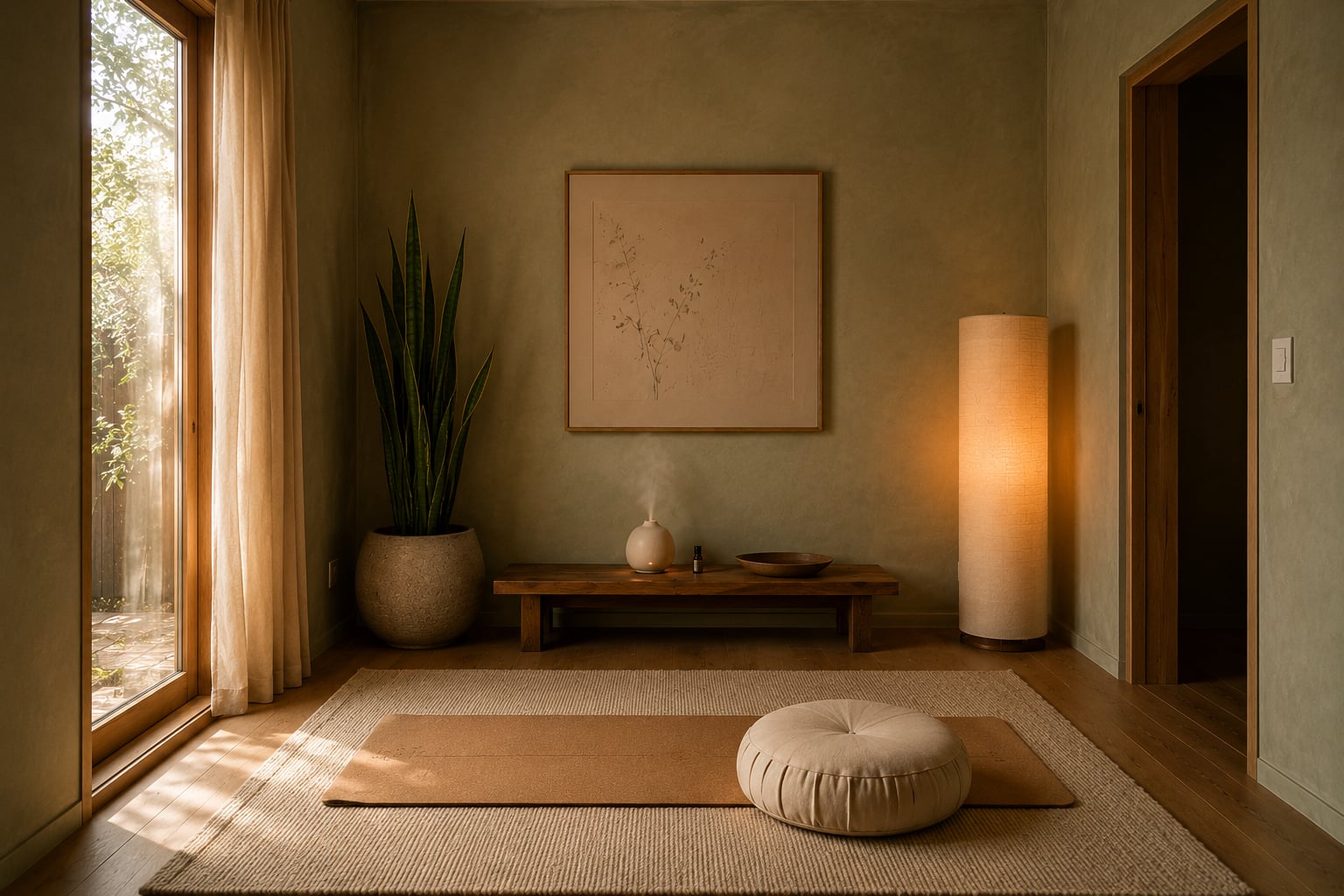
Studio sound baths work partly because of the audio and partly because of the environment. Quiet room. Dim lighting. Comfortable surface. No interruptions. The audio matters, but it’s the smallest part of the experience.
Replicate the environment first.
A Quiet Room
No phone notifications. No partner walking through. No dog barking. Pick a time when you
can be uninterrupted for 30 minutes.
Dim Light
Curtains closed. One small lamp on if you need any light at all, with a warm bulb. Best is
candlelight or no light.
A Comfortable Surface
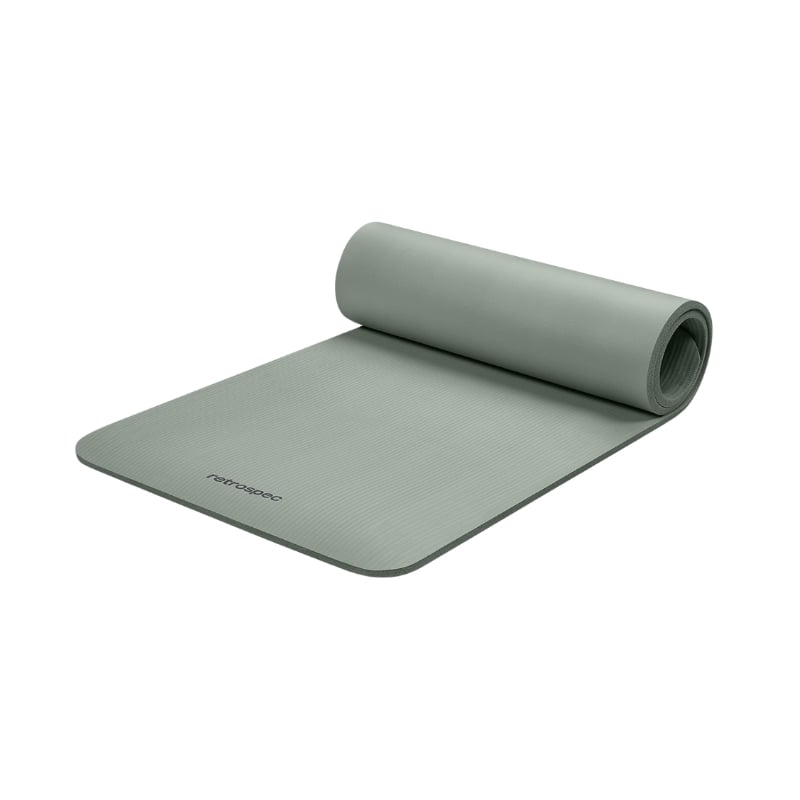
A yoga mat on the floor with a folded blanket under the head. Or a couch if the floor is too much. Pillows under the knees to take pressure off the lower back. A heavier throw across the body for the weight.
A Slightly Cool Temperature
A body lying still for 30 minutes will get cold. Make the room temperature warm enough not to shiver and cool enough not to fall asleep immediately.
sound bath at home
The Audio Sources
You don’t need real singing bowls (though they’re nice). Most people start with recorded audio.
Spotify and Apple Music sound bath playlists
Search “sound bath” or “singing bowl meditation.” Many curated options. Free with subscription.
Insight Timer (App)
A library of meditation and sound bath sessions, much of it free. The advantage: you can browse by length, instrument, and practitioner.
Many full sound bath recordings of varying quality. Look for recordings 45 minutes or longer with good audio production.
For Premium Audio
A Bluetooth speaker positioned 6 to 10 feet from where you’ll be lying. Not too close (overwhelming). Not too far (disconnected). Medium volume, never loud.

sound bath at home
If You Want to Use Singing Bowls
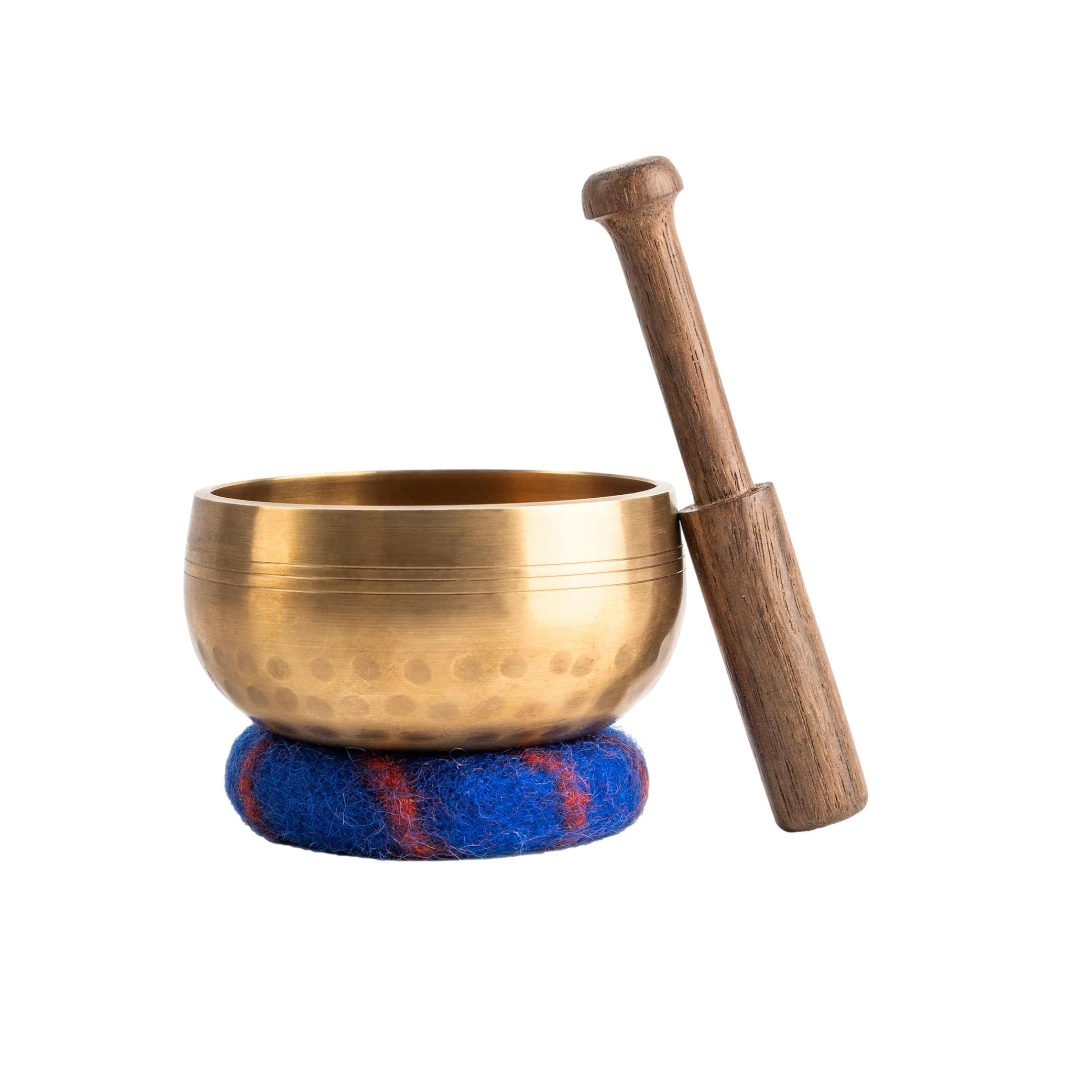
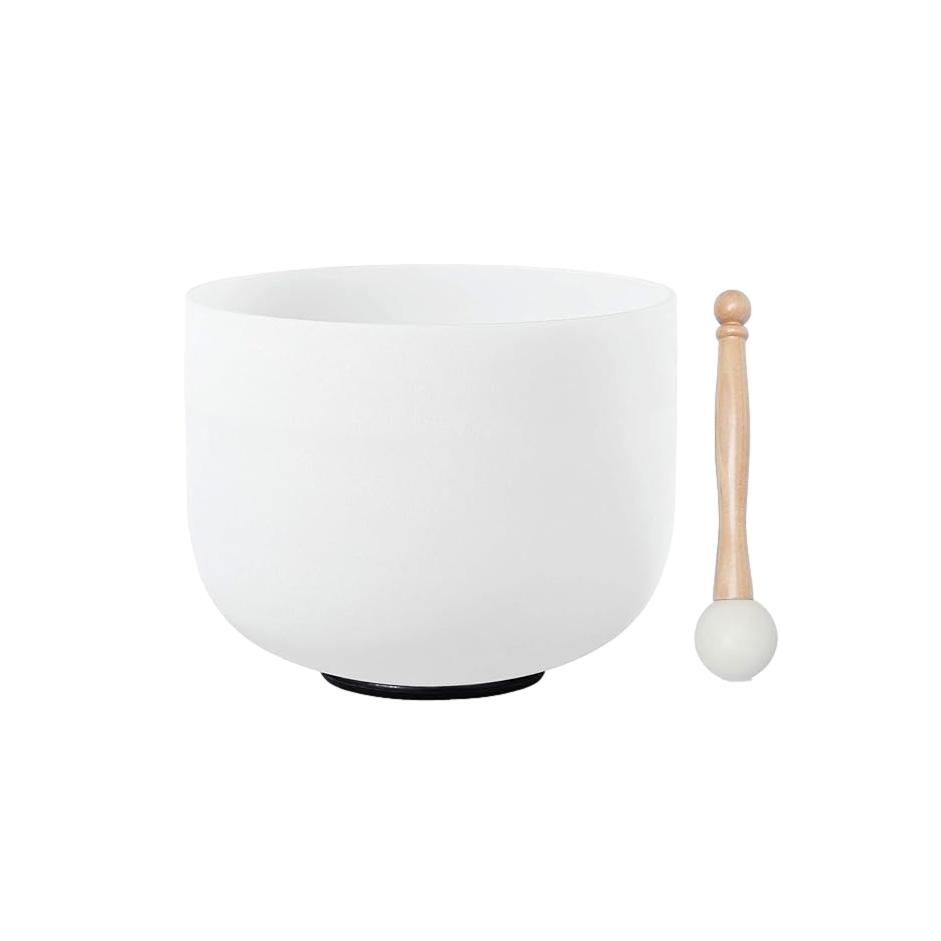
Crystal singing bowls and Tibetan singing bowls are the two most common. The crystal bowls produce a clean, sustained tone. The metal bowls have a more complex, organic sound with multiple overtones.
Buying one: a single 8 to 10-inch bowl is the starting point. Etsy and Amazon both sell credible mid-range options.
Playing one is simpler than it looks. Run a wooden mallet around the rim with steady pressure, and the bowl sings. Practice on your own for ten minutes before incorporating it into a sound bath.
A single bowl is enough. You don’t need a collection.
sound bath at home
The Body Position & Duration
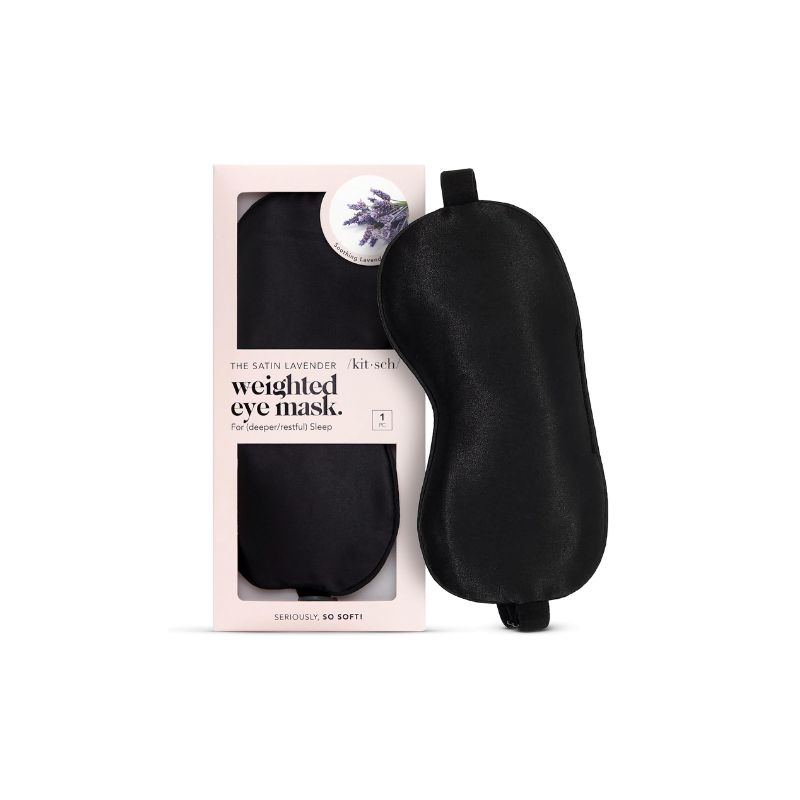
Lie on your back on the prepared surface. Legs slightly apart, arms slightly out from the body, palms up. The exact yoga shavasana position. Eye covering optional. A weighted eye mask removes light and adds the calming pressure of weight on the face. Soft fabric ones work fine.
Duration: 20 to 45 minutes. Start at 20. Build up if you enjoy it. Anything under 15 minutes doesn’t give the body time to settle. Anything over 60 minutes risks falling asleep, which defeats the meditative aspect.
sound bath at home
The Internal Move
This is where most home sound baths fail.
Lying still with audio playing is not automatically a sound bath. The internal move is to let the audio become the focal point. When the mind drifts (and it will), notice it, then bring attention back to the sound. Not the thinking about the sound. The sound itself.
This is meditation. The audio gives the attention something to anchor on. The work is in returning, repeatedly, to the listening.
If you’ve never meditated, sound baths are a friendly entry point because the audio gives you something concrete to focus on. Easier than focusing on the breath alone.

sound bath at home
After the Session & How Often
Don’t jump up.
The body takes a few minutes to come back from a deep relaxation state. Sit up slowly. Hydrate. Don’t immediately check your phone (you’ll undo most of what you just did).
A glass of water and five minutes of just sitting before getting on with the day is the close. Skip it, and the benefit dissipates faster.
How Often: A sound bath twice a week is more than enough for most people. Daily can work, but it isn’t necessary. Once a week is the minimum to develop a relationship with the practice.
Best times: late afternoon (3 to 5 p.m.) or just before bed. Morning sound baths can leave you feeling groggy. Mid-day works if you have the time and won’t be interrupted.
sound bath at home
What To Skip
Sound baths sold as medical treatments
They’re not. Anyone marketing them that way is overstating the case. The benefits are sensory and meditative, not therapeutic in the medical sense.
Sound baths with elaborate metaphysical claims
If a practitioner is telling you their bowls are tuned to specific chakras and will heal specific conditions, lower the dial on those claims. The sound is the experience. The framing is optional.
Trying to do a sound bath in a noisy room.
The setup matters as much as the audio. Save the practice for a real quiet area.