How to Arrange Furniture in a Small Living Room

Small living rooms aren’t a different category from big living rooms. They’re the more disciplined version. The same principles apply, but the margin for error is narrower. A misplaced piece in a 300-square-foot living room is felt every time you walk through it. The same piece in a 900-square-foot room blends in.
That’s actually good news. The constraints force decisions. The decisions force a better room. So here are my tips for how to arrange furniture in a small living room.
I’m also sharing the design work from someone who knows all about small spaces: DIY Home Designer Alexandra Gater. She’s made over tons of tiny apartments, and you can see some of her best small living room makeovers (and videos from her YouTube series) throughout this article!

How to Arrange Furniture in a Small Living Room
Identify the Four Functions
Every living room serves some combination of these functions: conversation, television watching, reading/relaxing, eating (and maybe even working). Most small living rooms need to do all four, and you want to keep them all in mind when designing.
That means every piece needs to earn its spot. Can that coffee table handle dinner in a pinch? Can the side table hold a laptop for an afternoon? The best small-space furniture always pulls double duty.
The same goes for layout. A setup that’s great for conversation might be terrible for movie night if nobody’s facing the TV. So I always run through it in my head: Can people talk easily? Can everyone see the screen? Is there room to actually move around? When a layout checks all those boxes, the room stops feeling like a compromise, and it just works.
Learn more about Function: The One Rule Behind Every Good Design Decision
Watch Alexandra Create a Granny-Chic Living Room

How to Arrange Furniture in a Small Living Room
The Traffic Flow
Walk into your living room. Trace the natural path from the entrance to the seating area, from the seating area to any other doorway, and from the seating area to the television or focal point.
Those paths need at least 36 inches of clearance. Furniture that creates pinch points (less than 30 inches) makes the room feel smaller and gets resented within months.
Sketch the paths. If furniture is in the path, move it. The room expands the moment traffic flows naturally.

How to Arrange Furniture in a Small Living Room
Scale Rule
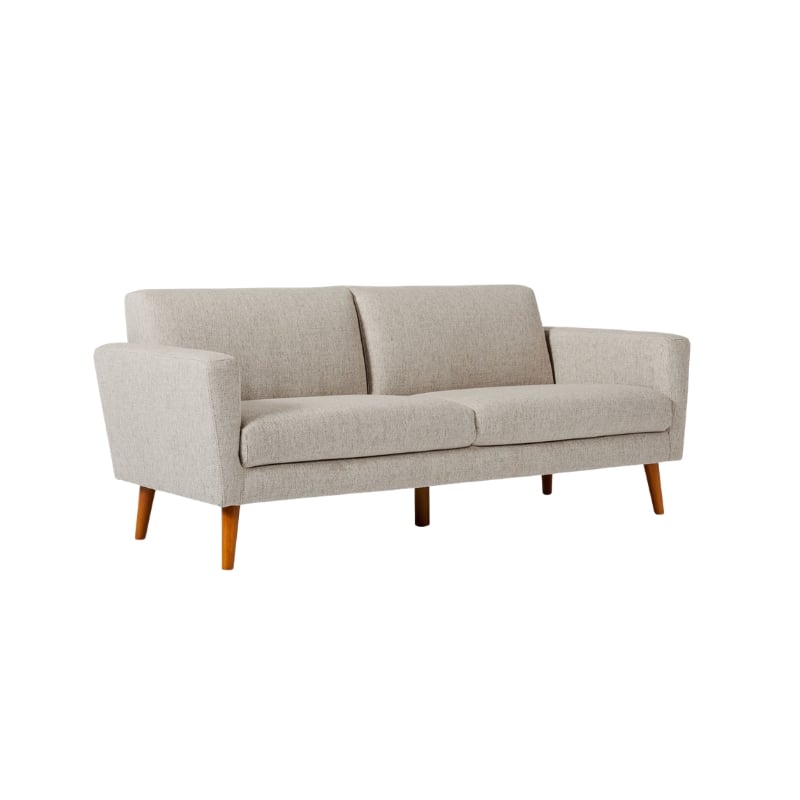
Small rooms almost always do better with fewer, bigger pieces rather than a bunch of small ones – more small pieces just read as clutter. A single sofa and a side chair can anchor a room and make it feel substantial, all on their own.
That said, “bigger” doesn’t mean “biggest.” You still want to scale furniture to fit the room. You don’t want anything so oversized that it starts to feel overwhelming. A living room under 250 sq feet will definitely require furniture that’s sized down.
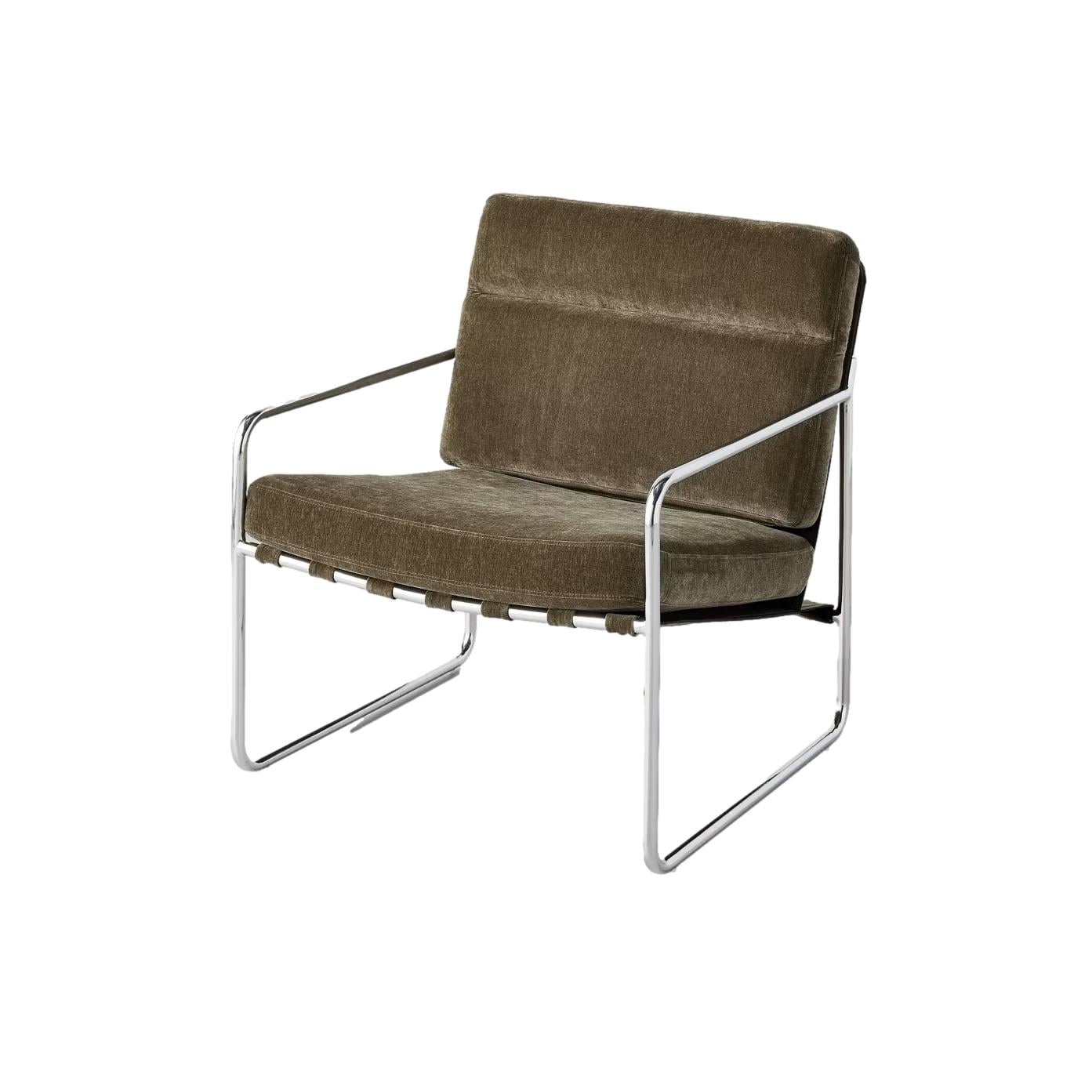
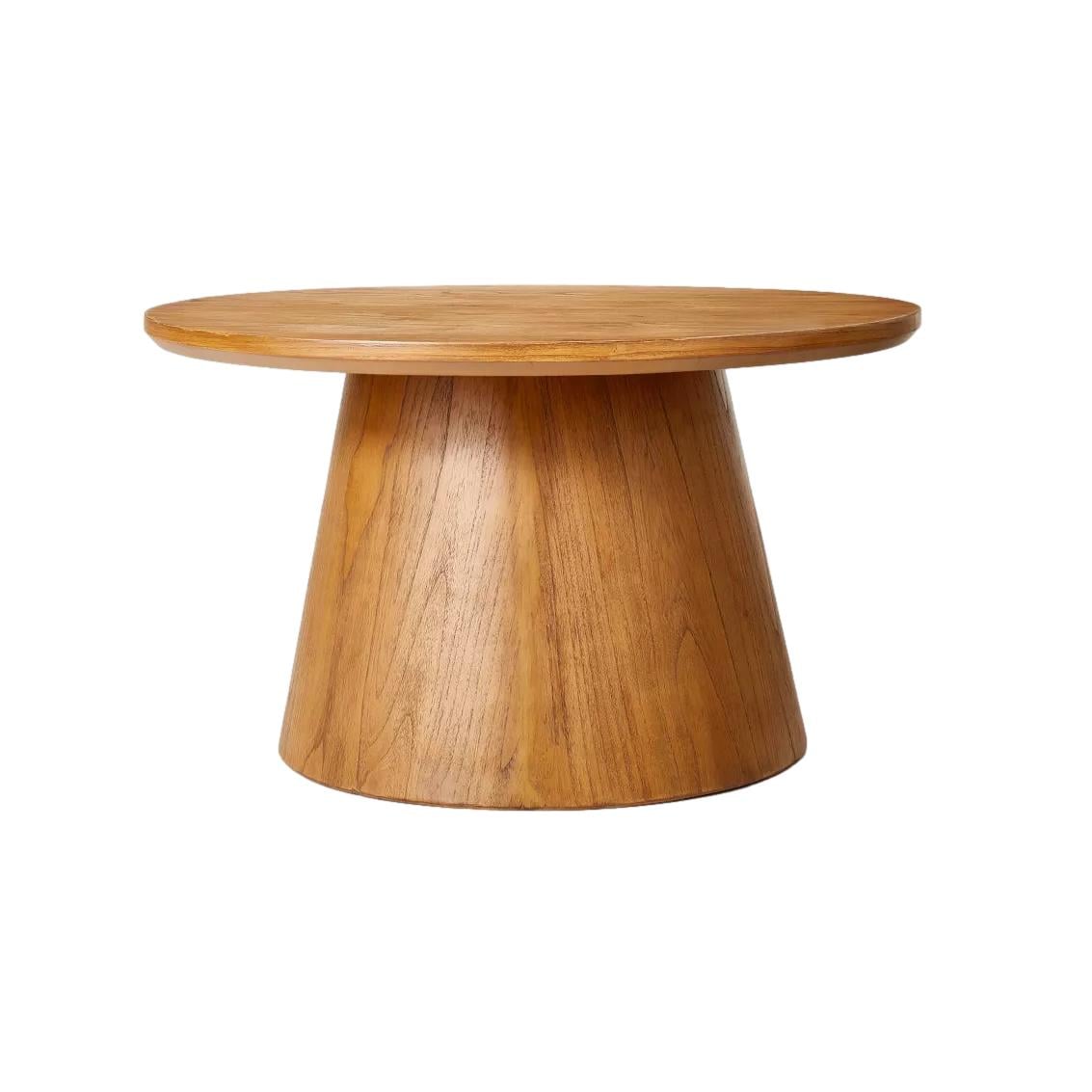
Design details matter here too. Furniture with thin, exposed legs feels light and airy, while chunkier pieces, or ones that go straight to the floor, feel heavier and more grounded. In a small room, that’s a real tool: lean leggy for airiness, or go grounded when you want the room to feel more solid and intentional.
Watch Alexandra Create a Berlin-Inspired Living Room

How to Arrange Furniture in a Small Living Room
The Focal Point
Every room has a focal point. In some rooms it’s architectural (fireplace, large window, archway). In others, it’s intentional (television, large piece of art, statement piece of furniture). The arrangement orients toward the focal point. The sofa faces it. Chairs angle toward it. The coffee table sits between the seating and the focal point.
If your living room has no obvious architectural focal point, create one. A single large piece of art on the main wall. A statement console with a sculpture on it. A custom built-in for the television that makes it look intentional rather than incidental.

How to Arrange Furniture in a Small Living Room
The Vertical Move
Small rooms have walls, and walls are underused space. The single best move for visual expansion: hang things higher. Curtains hung at the ceiling, not at the top of the window frame. The eye reads the room as taller.
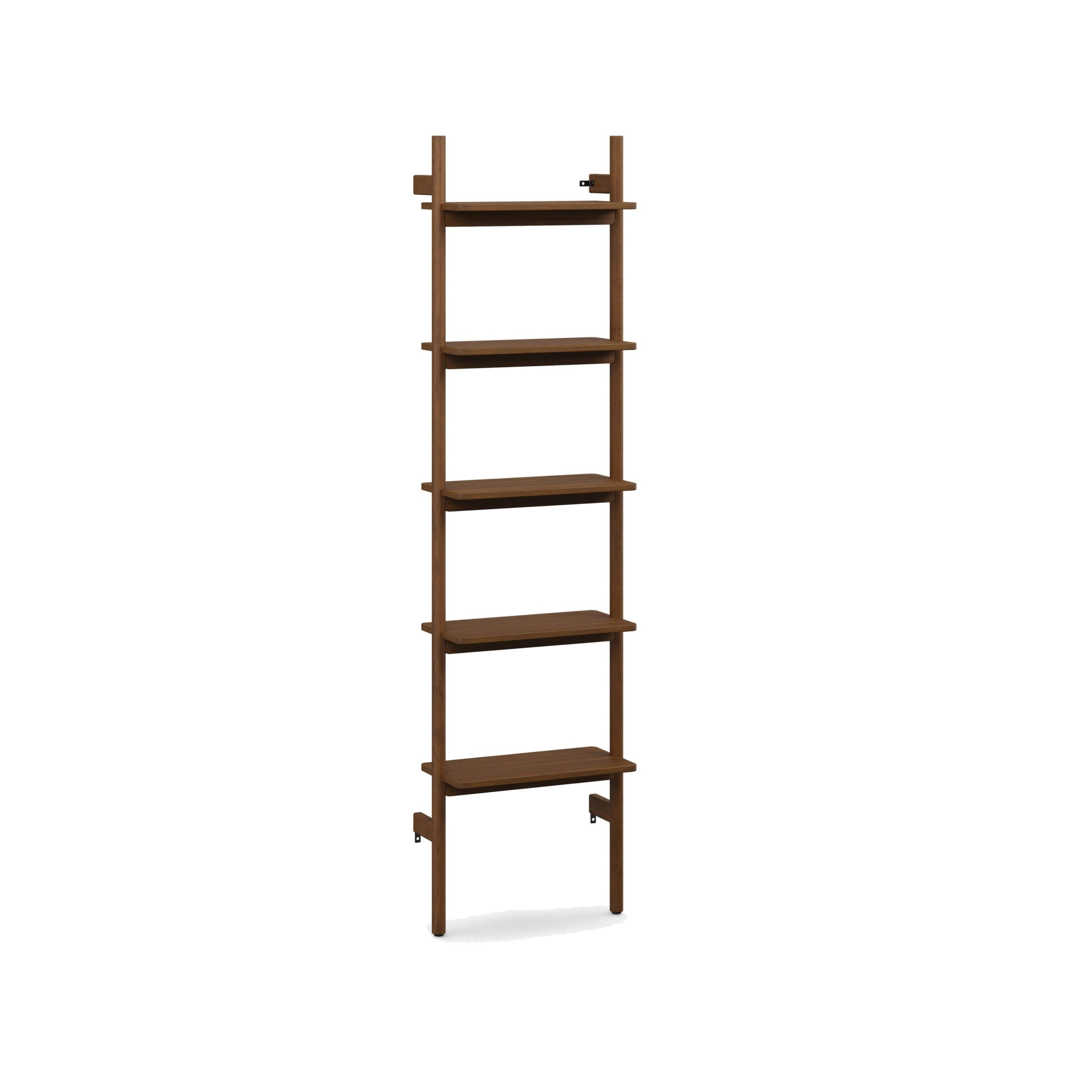
A gallery wall that goes from wall to wall, and bookshelves and tall storage going all the way to the ceiling, not stopping at 7 feet. The vertical extension reads as architectural confidence. A single tall floor lamp instead of two short ones. The eye is drawn up.
See all my tips for How To Hang Art The Right Way
Watch Alexandra Create a Grandpa Chic Living Room

How to Arrange Furniture in a Small Living Room
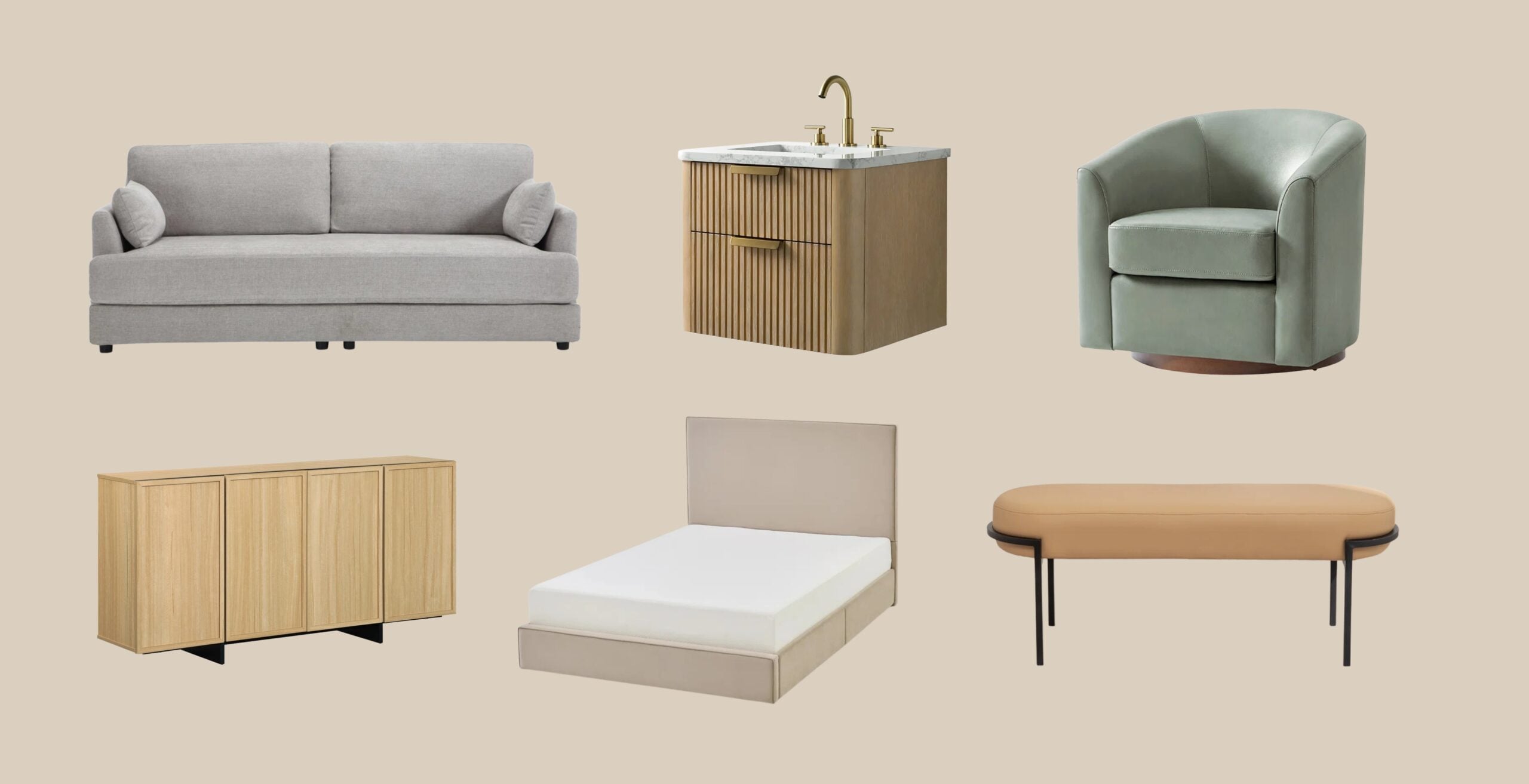
Multi-Purpose Pieces
In a small room, every piece earns its keep by doing more than one job.
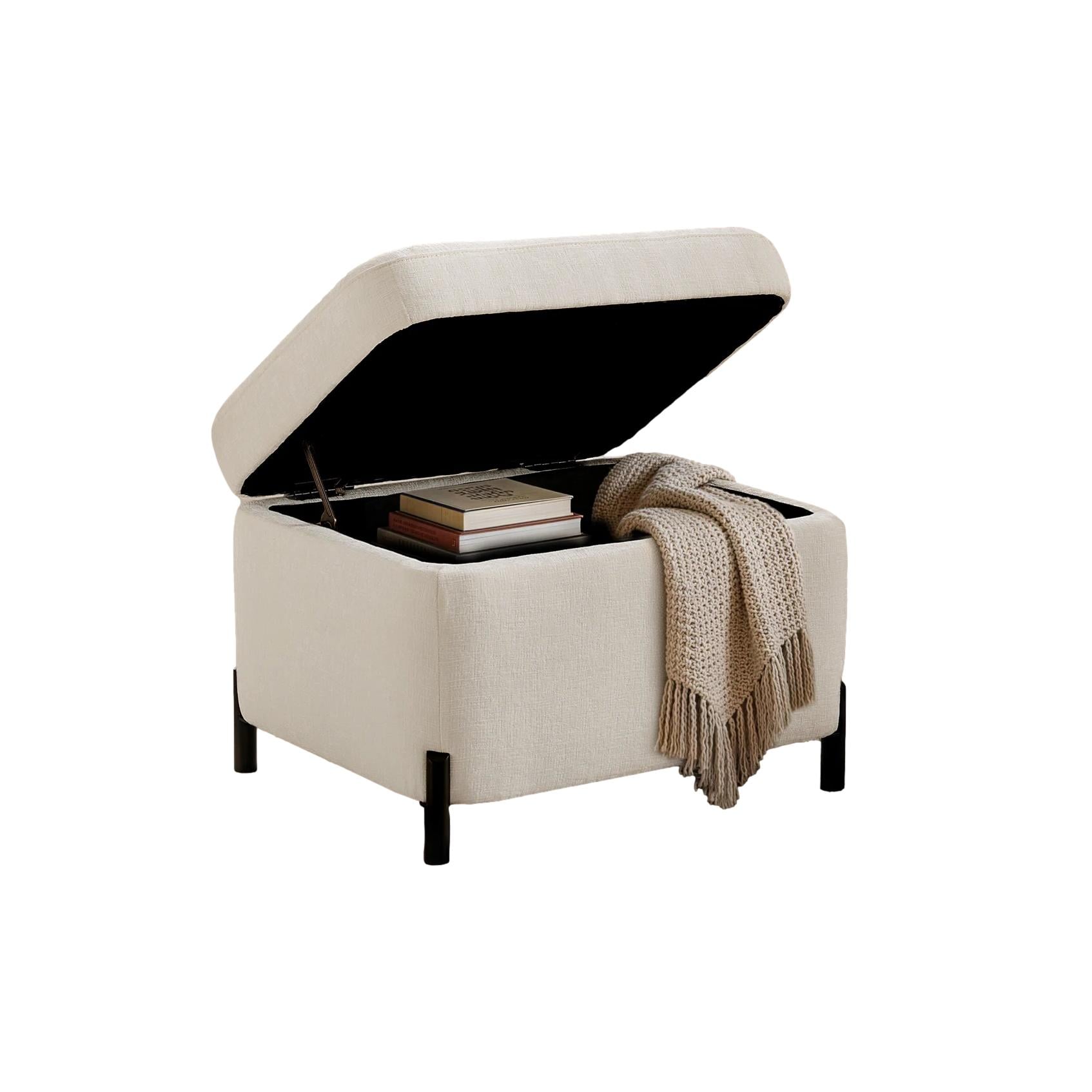
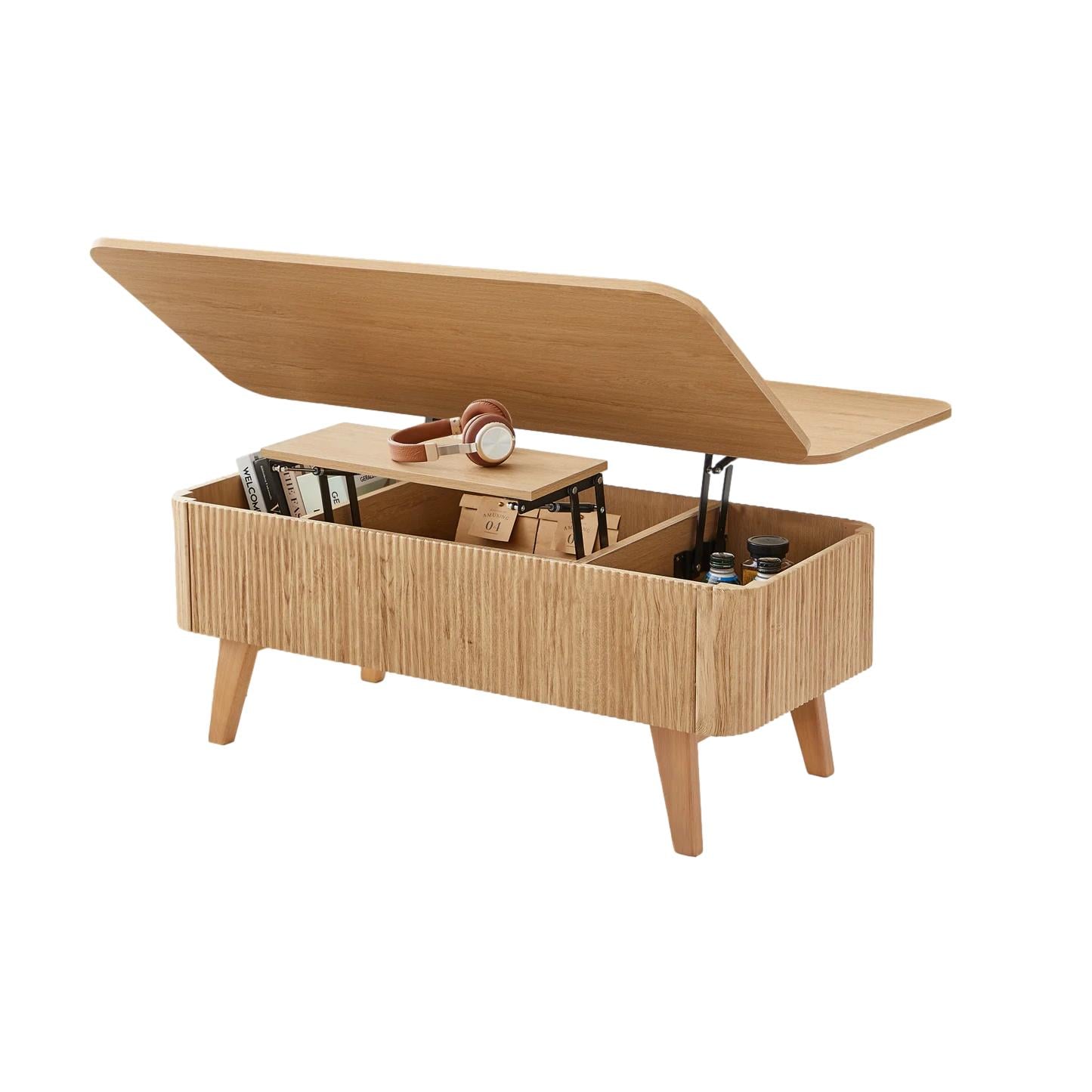
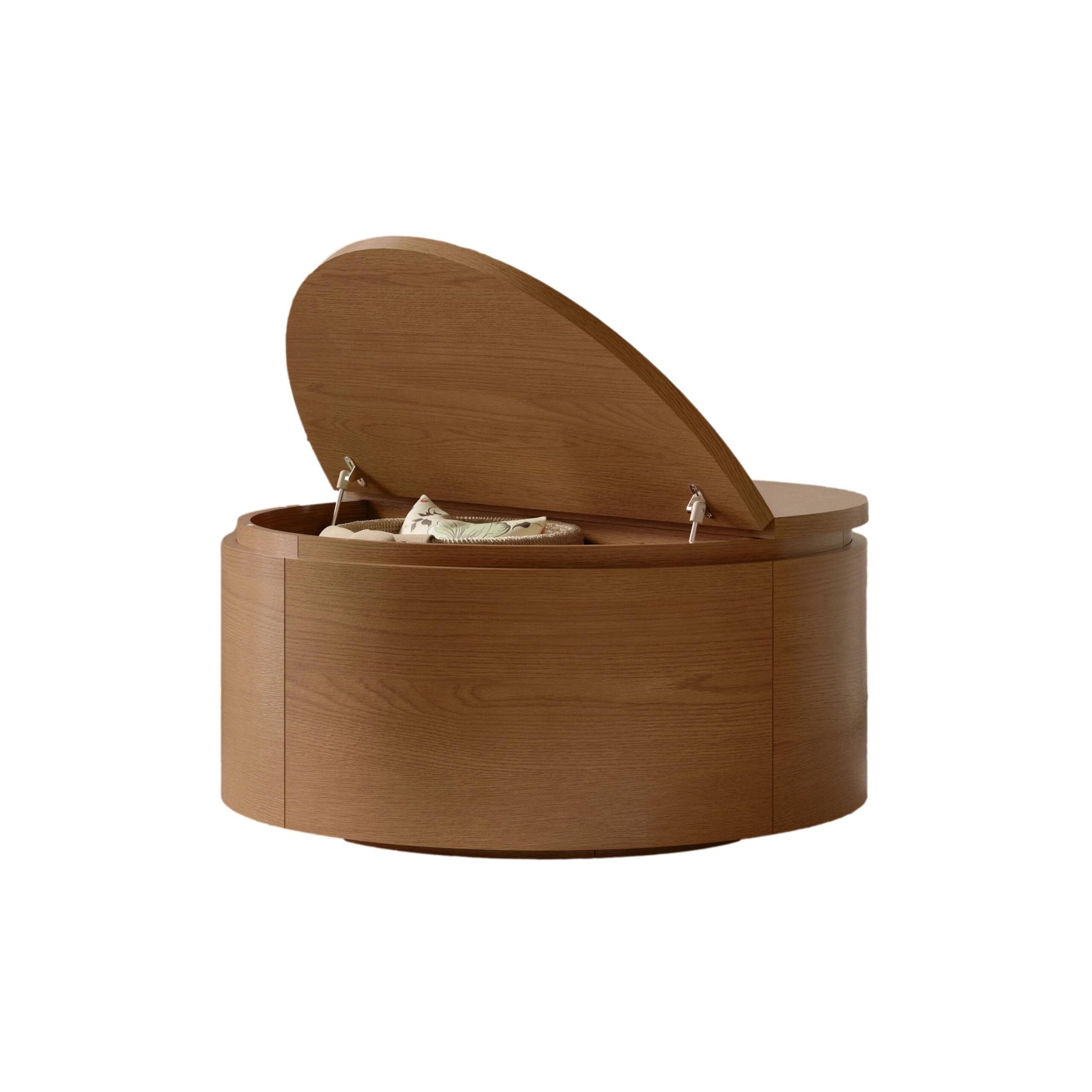
An ottoman with storage inside. Doubles as a coffee table, footrest, extra seating, and storage.
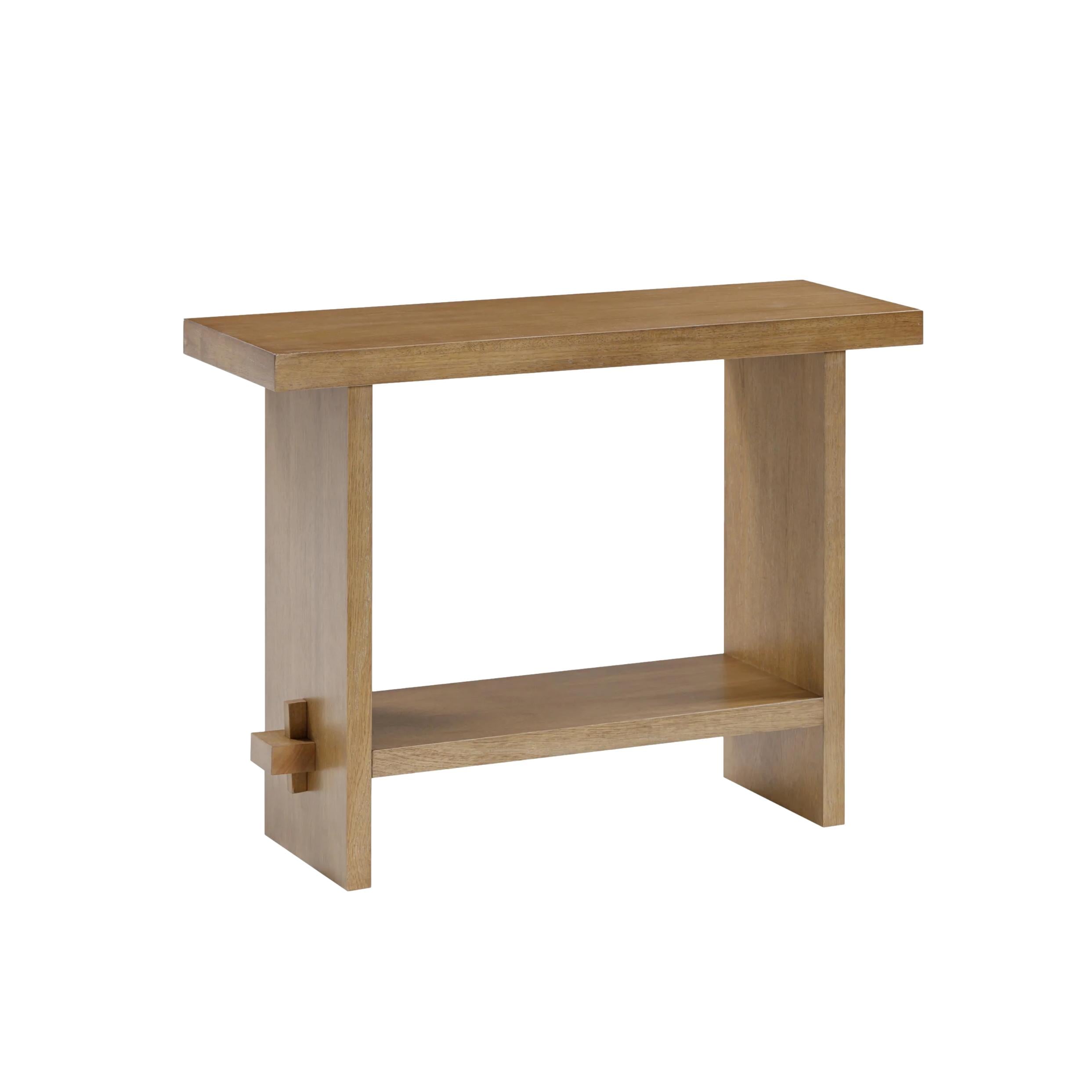
A console behind the sofa. Holds a lamp, two stacked books, a small vessel. Provides a surface that the sofa alone couldn’t offer.
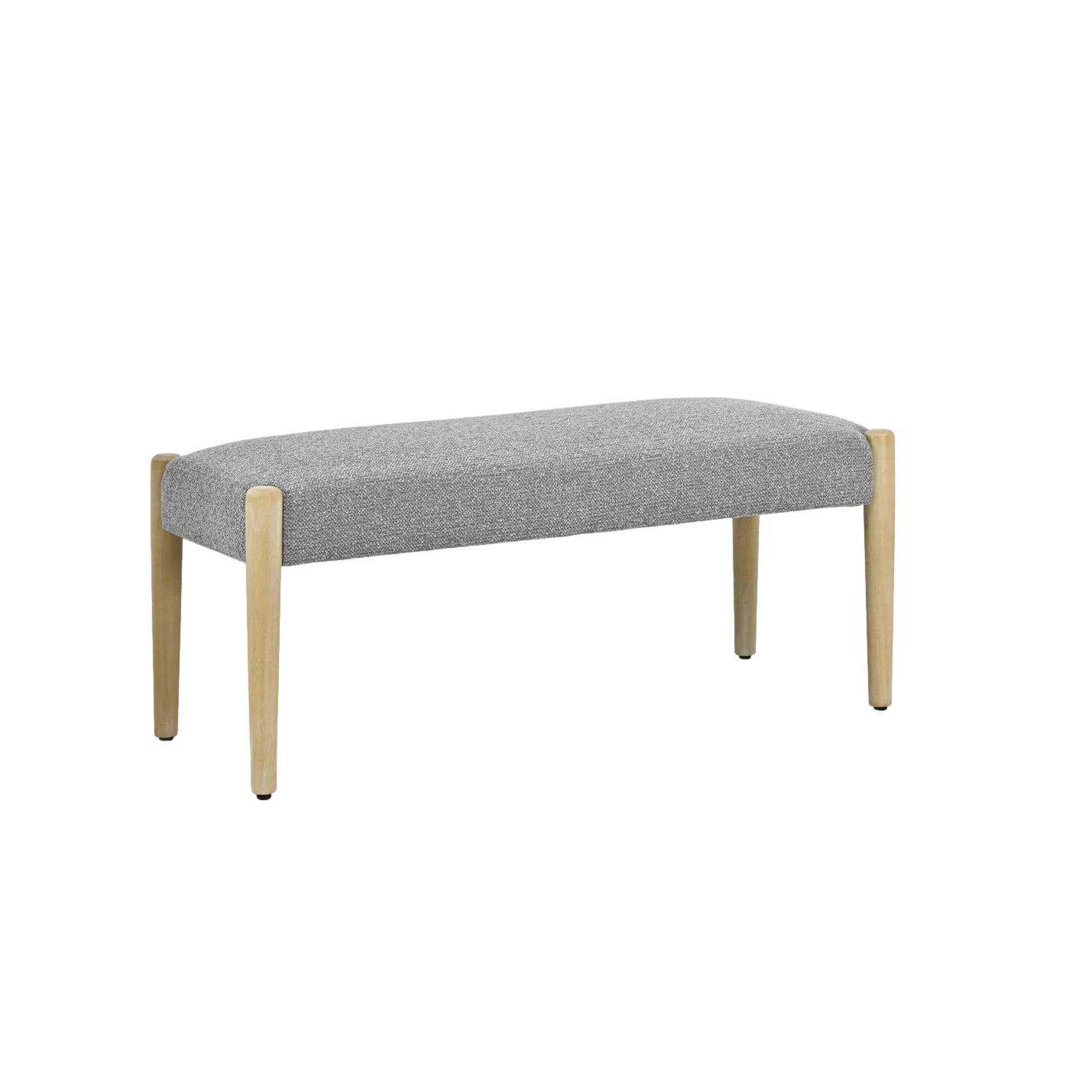
A bench. Extra seating during dinner parties, reading nook for everyday use, storage underneath.
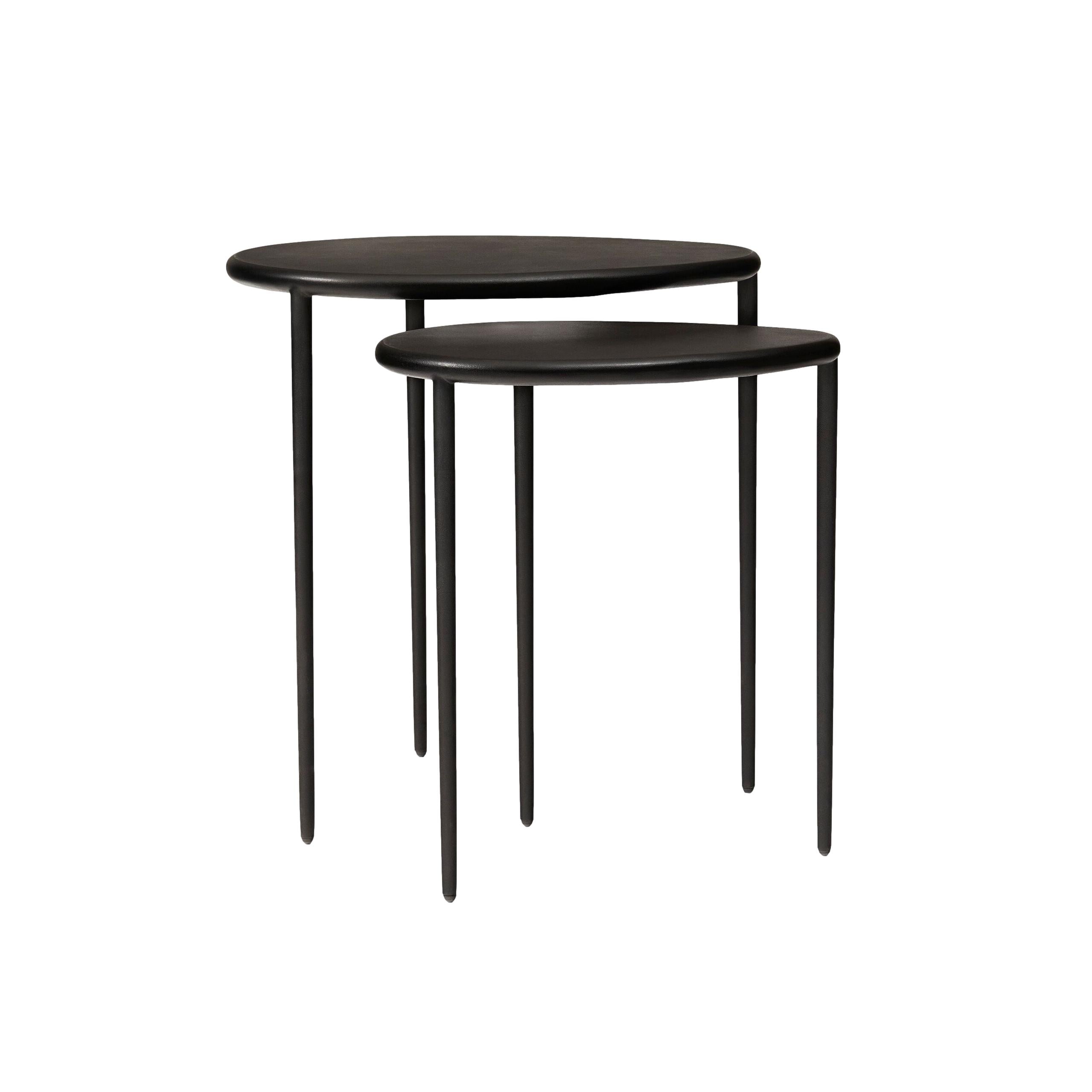
Nesting tables. Two or three tables that pull apart when needed and stack when not. The best small-space side table solution.
Shop Multi-Purpose Pieces
How to Arrange Furniture in a Small Living Room
The Test
Walk into your living room with fresh eyes. The first impression should be that the room is intentional, calm, and functional. If the first impression is that it’s full, busy, or tight, something needs to come out. The small room that works is the small room that has been edited, not the small room that has been crammed.