How to Create an Outdoor Living Room That Actually Gets Used

Photo: Sara Ligorria Tramp
A patio you don’t sit on isn’t a patio. It’s a storage area with a view.
Most outdoor spaces fail for three reasons, and none of them are the furniture. There’s nothing to do. There’s nowhere to set a drink. The lighting cuts off at 8 p.m., and the whole place becomes uninhabitable.
The way to fix this is to stop treating the outdoors as a different category and start treating it like a room. Apply the same tests you’d apply to your living room and watch the failure points reveal themselves.
Discover the Outdoor Furniture that will actually last through heat, humidity, and rain.
outdoor living room
The “Would I Sit Here if it Were Inside?” Test
Look at your current patio setup. If you moved that exact arrangement into your living room, would anyone use it?
The standard patio set (two chairs and a tiny round table facing each other) translates indoors to: two armchairs four feet apart with a side table between them, facing nothing. Nobody would design a living room that way. So why is it acceptable outside? A real outdoor living room has a focal point (a fire bowl, a view, a water feature), seating arranged in conversation, and surfaces close enough to reach without standing up.

outdoor living room
Layout: The Three Rules
Conversation Distance
Seating should be 7 to 10 feet apart, edge to edge. Further than that, and you have to raise your voice. Closer, and it feels cramped.
Surface for Every Seat
Every place a person can sit needs a surface within arm’s reach. Side table, ottoman with a tray, low coffee table. If you can’t put a drink down without getting up, you’ll stop sitting there.
Second Seating Area
If your space allows it, create a secondary spot. Dining setup near the house plus a lounge area further out. Two reasons to be outside instead of one.
outdoor living room
The Five Things Every (Actually Used) Outdoor Living Room Has
A surface for drinks at every seat. Already covered, but worth repeating.
Shade you don’t have to deploy. A market umbrella that requires cranking up every time you want to sit outside is a barrier to use. A fixed pergola, a sail shade, a permanent structure, or even a mature tree means you can walk out and sit down. Friction kills usage.
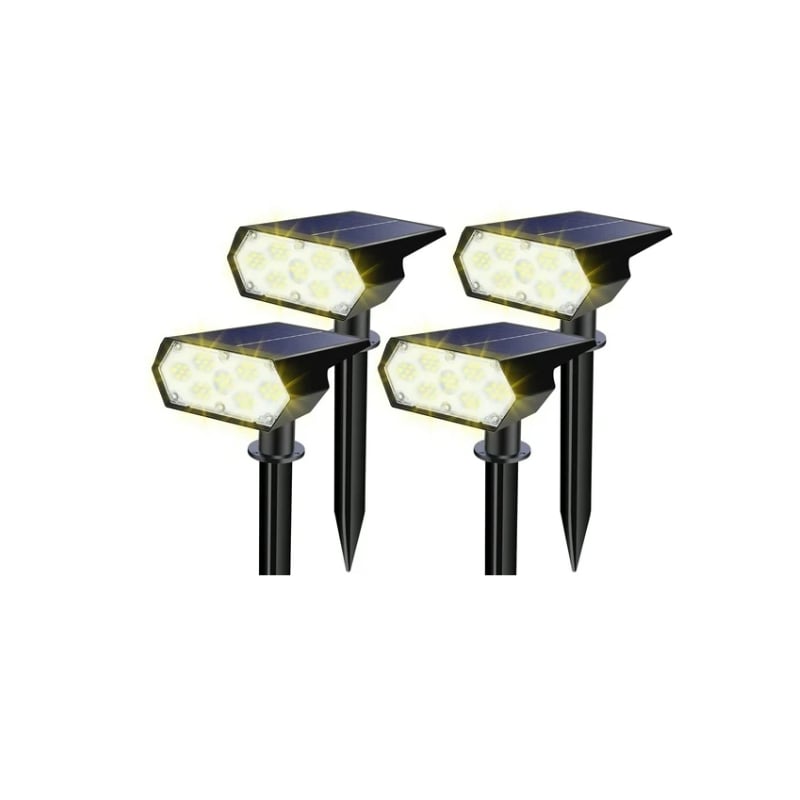
Lighting after sunset. This is the single biggest difference between an outdoor space that gets used three months a year and one that gets used all season. String lights, lanterns,
low-voltage path lights, candles. Layered. Always on or easily switched.
Weatherproof storage. Cushions live in a deck box. Pillows have a home. When bad weather rolls in, you don’t lose 20 minutes hauling things inside. The lower the barrier to using the space, the more you’ll use it.
Soft underfoot. An outdoor rug is the single fastest way to make a patio feel like a room. Jute, polypropylene, or PET. Anchor the conversation area.
Shop all my picks for Outdoor Accessories
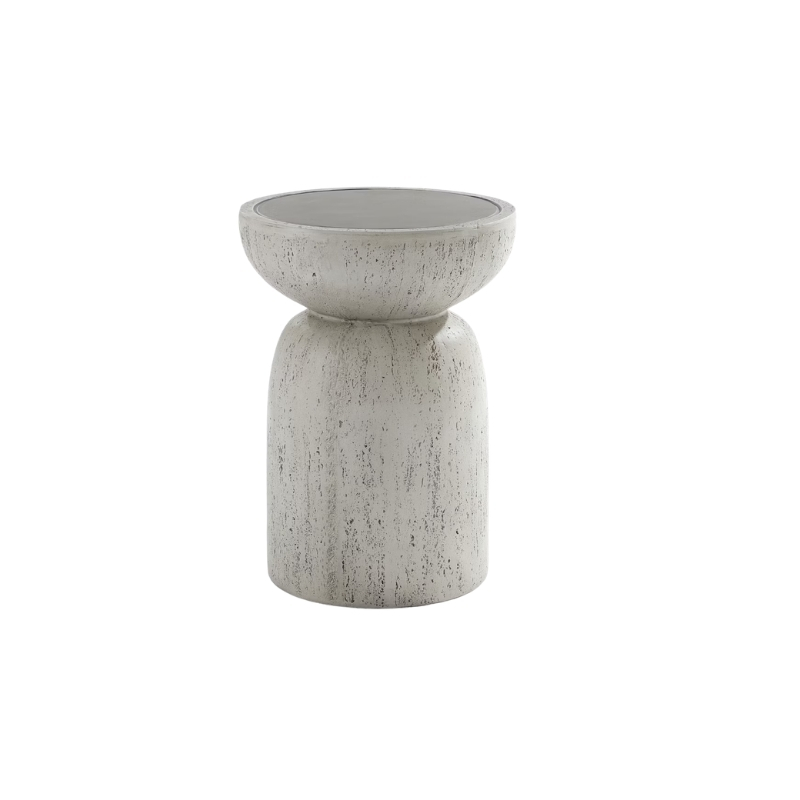
Shop An Outdoor Living Room Setup



outdoor living room
The Missing Element: Sound
Most outdoor design articles skip this entirely. They shouldn’t.
Quiet outdoor spaces feel exposed. There’s a primal thing happening where silence outside reads as alert, not relaxed. The fix: add ambient sound. Options, in order of effort:
Bluetooth speakers (lowest effort, requires phone)
Permanent outdoor speakers (more setup, no phone needed once installed)
A small fountain or water feature (no electronics, runs constantly)
Wind chimes (free, depending on neighbors)
Dense planting that rustles in the wind (slowest, also blocks visual noise)
If your patio backs onto a street, sound becomes a privacy tool. White noise from a fountain covers traffic. Tall planting absorbs it.

Photo: Sara Ligorria Tramp
outdoor living room
The Objects Test
What separates patio-as-furniture from patio-as-room? Objects.
Indoors, you have books, art, a tray on the coffee table, a vessel on the side table. Outdoors, most people stop at the furniture and call it done.
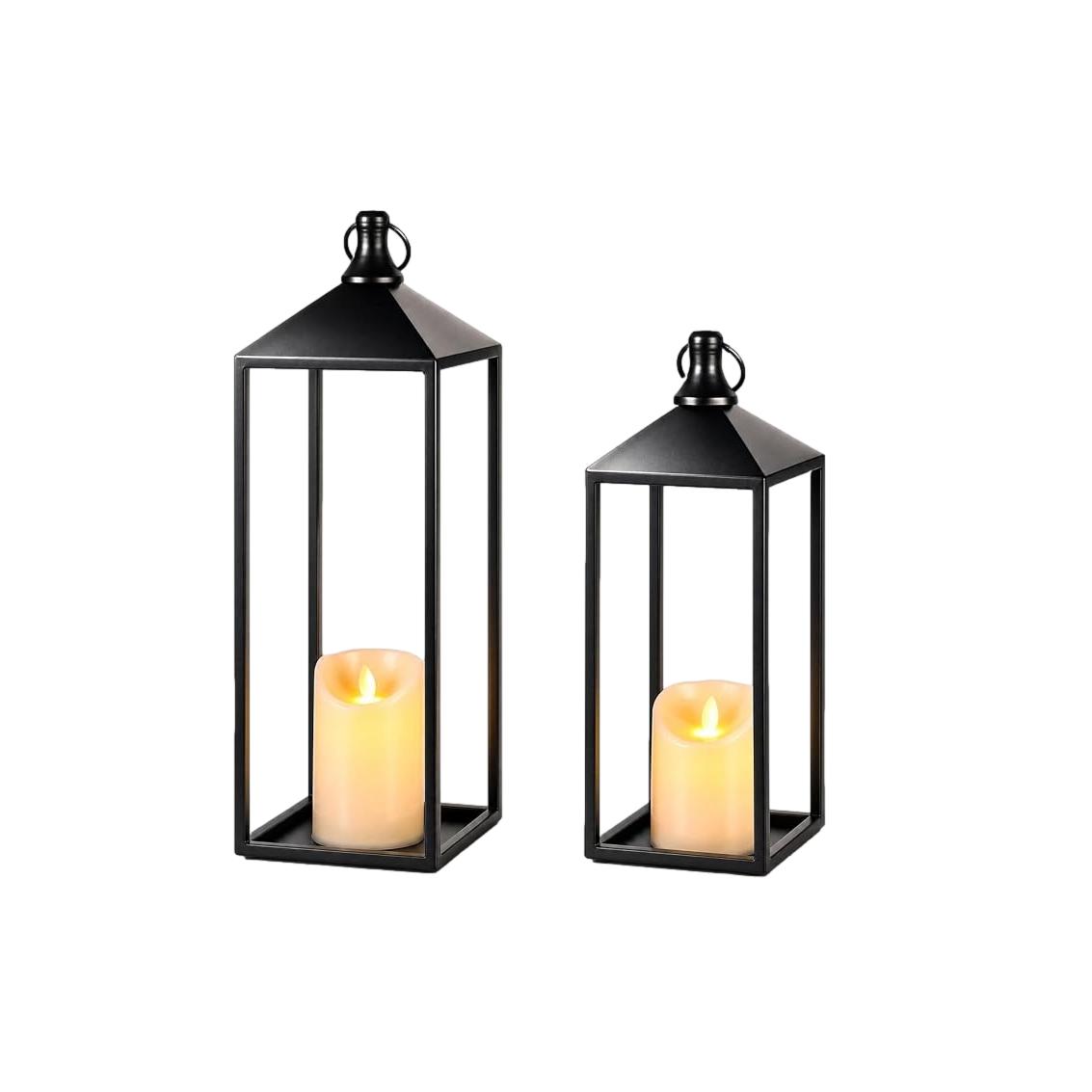
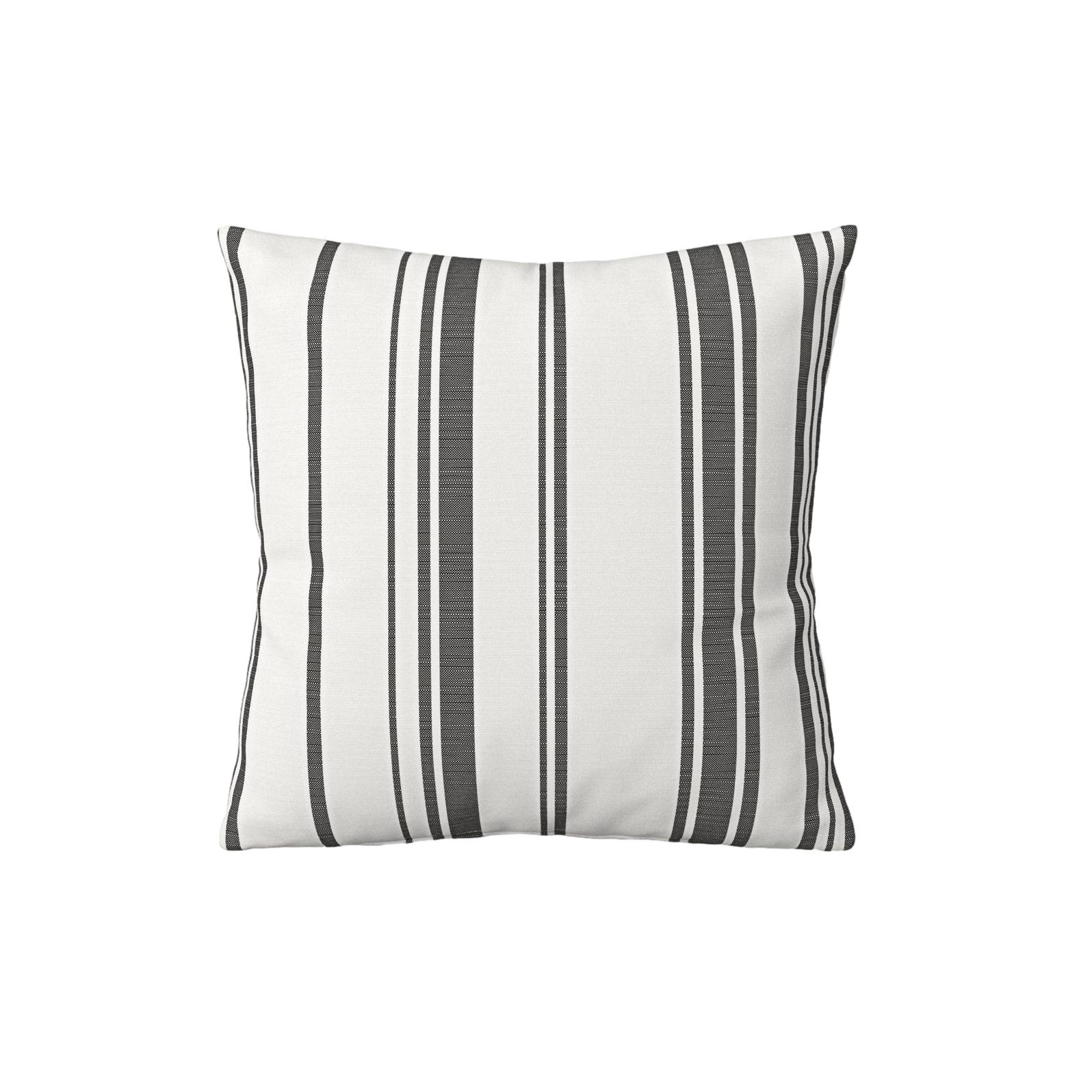
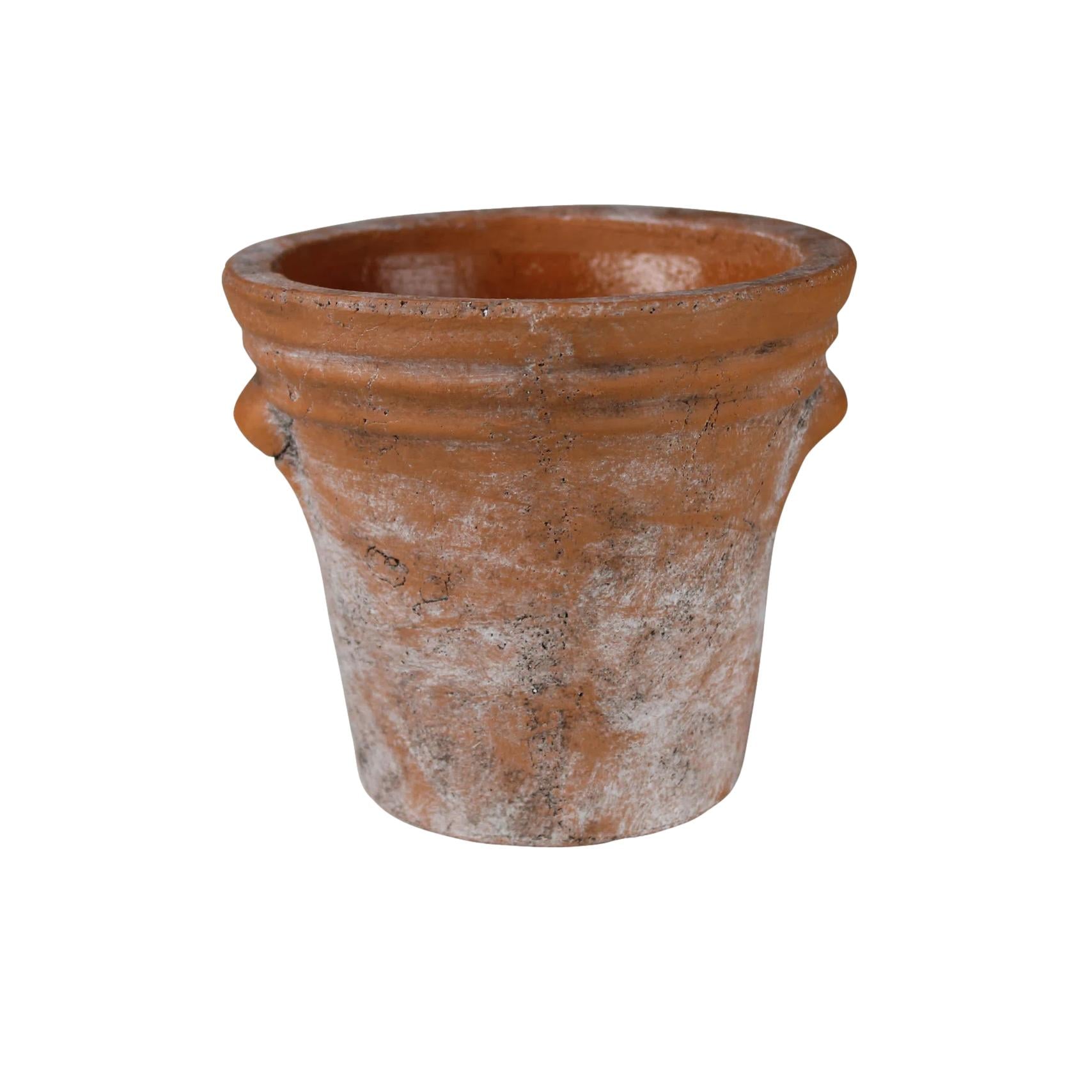
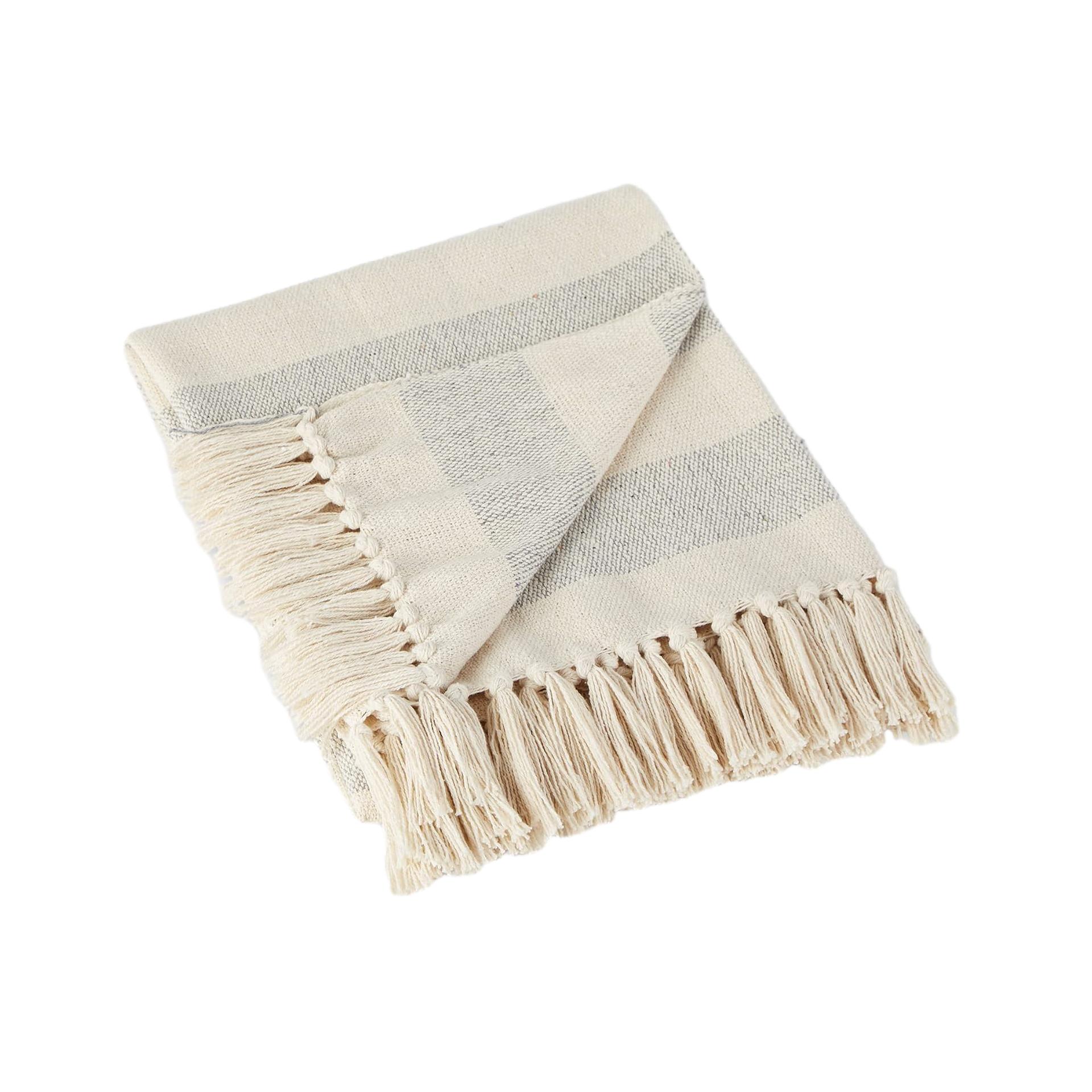
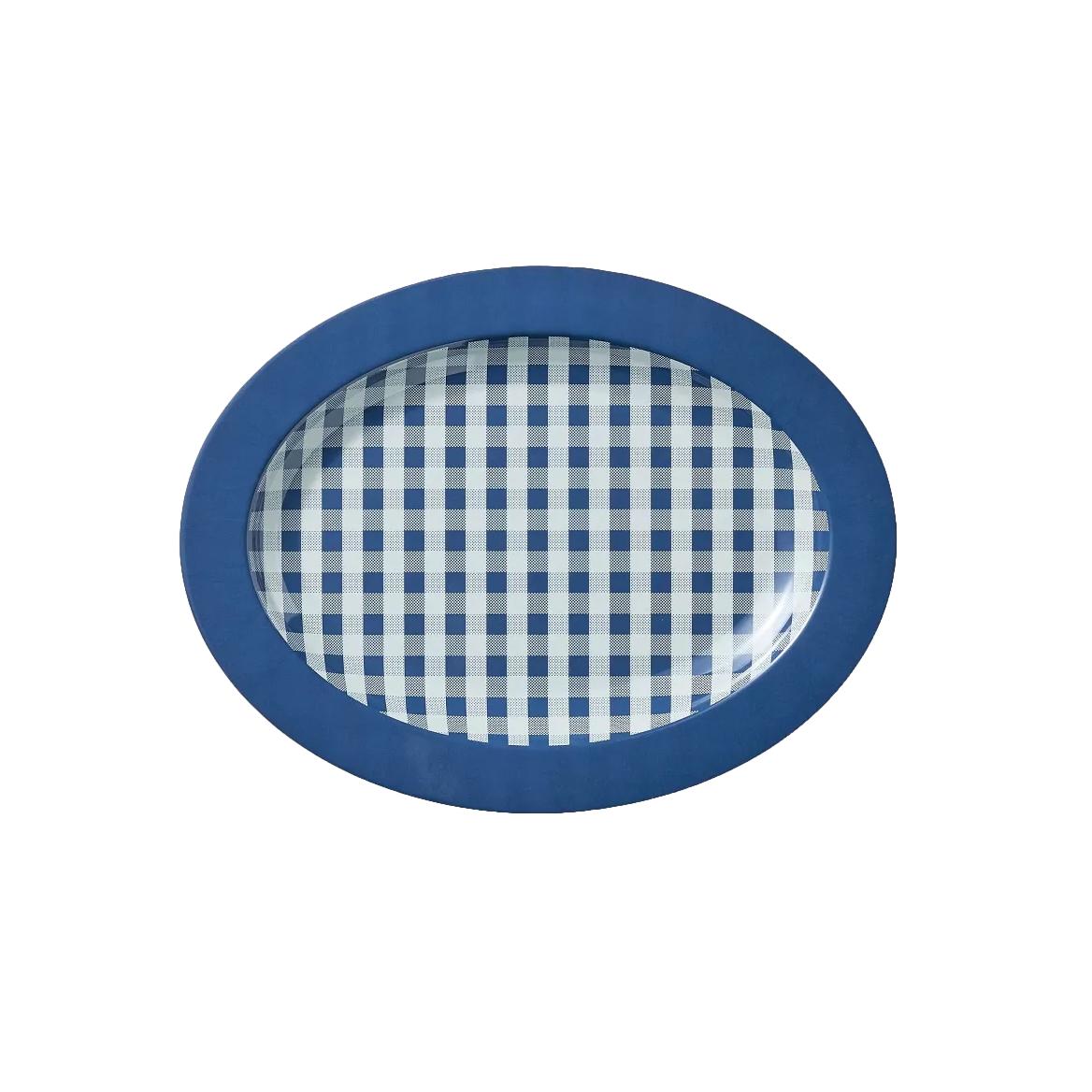
Add: a ceramic planter on the coffee table with a low succulent. A lantern with a candle. A weather-resistant tray with two glasses already on it. A folded throw on the back of a chair. These are the same instincts that make an indoor room feel lived in.

outdoor living room
Maintenance Reality
A space you have to maintain every weekend will become a space you resent. Be honest about what you’ll actually do.
If you won’t take cushions in at night, buy performance fabric that survives weather. If you won’t sweep the patio twice a week, don’t choose a light stone that shows every leaf. If you won’t refill a fountain, don’t install one.
The best outdoor room is the one that matches your actual maintenance willingness, not the one that matches your aspirational maintenance willingness.