How To Match Plants To Your Home’s Light

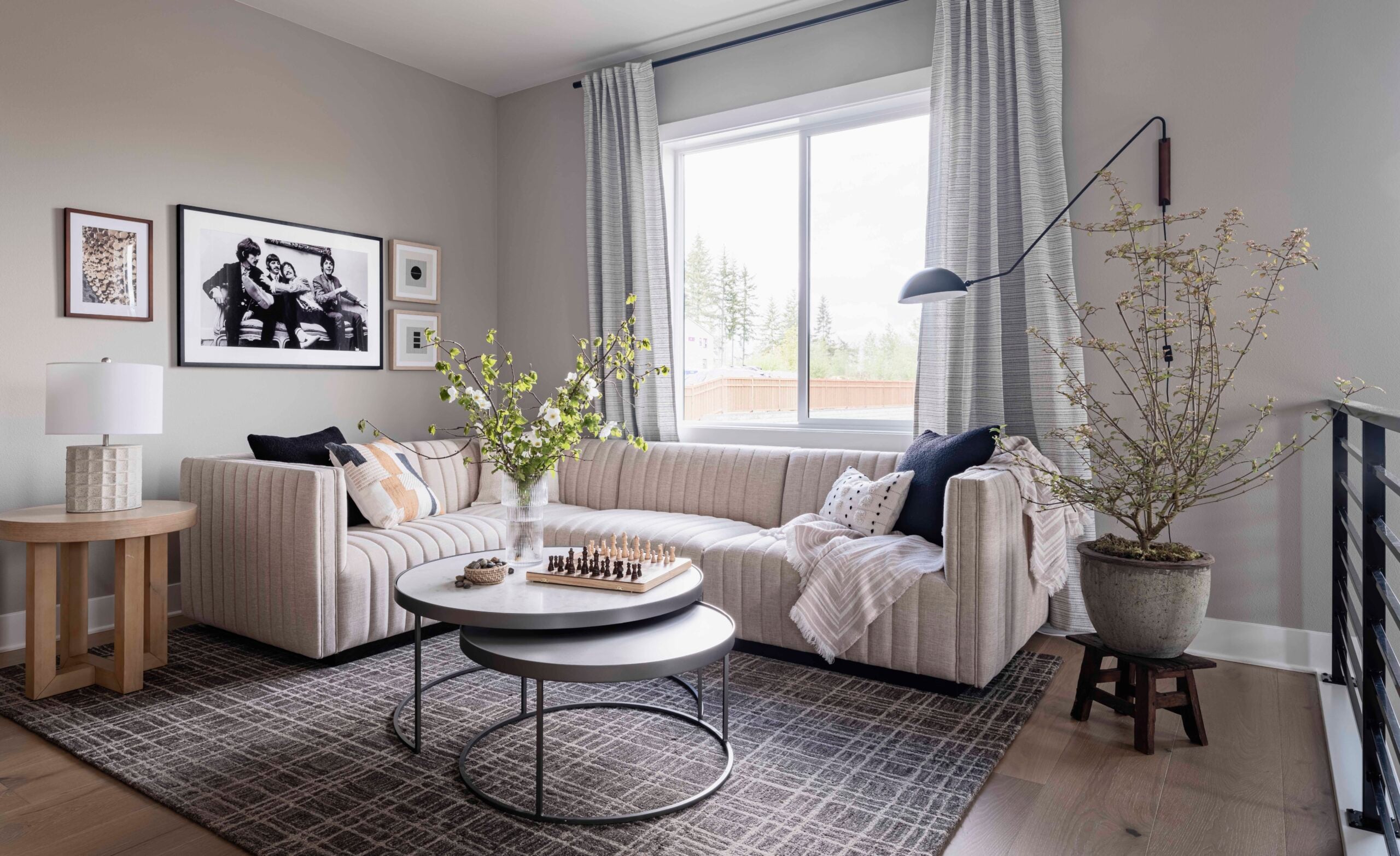
Photo: Kara Mercer
If your houseplants keep dying despite your best efforts, I’d bet real money on the real culprit: it’s not you forgetting to water them. It’s light. Specifically, it’s plants getting placed in a spot that doesn’t give them the kind of light they need to grow and thrive. Nothing is more of a bummer for a plant than being brought home to a room that simply can’t light it right, no matter how much you love and fuss over it.
Here’s the plot twist that surprises almost everybody. Contrary to popular belief, most homes are actually considered low-light environments, even ones that feel perfectly bright to you. Learning to genuinely read the light in your own space, and how to match your plants to your home’s light, is hands down the single most important plant skill there is, and as a bonus, it teaches you a surprising amount about your home along the way.
For more plant tips, check out The 9 Easiest House Plants To Take Care Of, The Best Air-Purifying Plants That Actually Work, and Why Is My Plant Dying? The Five Signs and How to Fix Them.

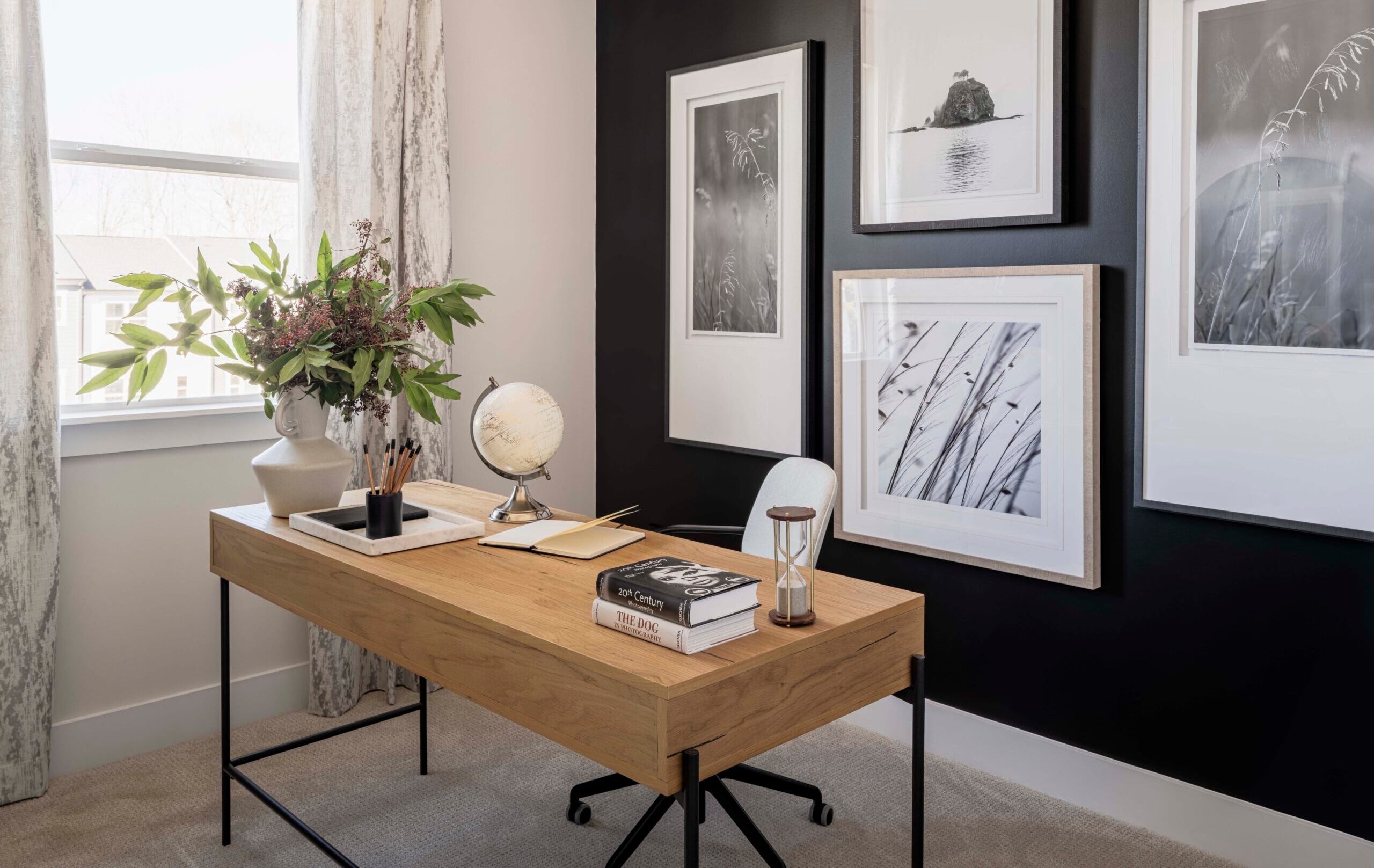
Photo: Kara Mercer
How To Match Plants To Your Home’s Light
Your Home is Darker Than You Think
Even with wall-to-wall windows, your home might be giving your plants far less usable light than you’d ever assume. It depends entirely on which direction your windows face and where the sun actually travels relative to your specific place. Big, beautiful windows on the wrong side of the building can still leave a room genuinely starved of the direct beams that so many plants quietly crave.
So step one when figuring out how to match plants to your home’s light is simply to drop the assumption that your home is “bright” and actually go observe it for yourself. Watch carefully where the sun lands, and exactly when, across a full day. Your plants will absolutely thank you for the effort, and you’ll end up understanding your own space better than you ever have before.
How To Match Plants To Your Home’s Light
The Light Spectrum: From None to Full Sun
Light isn’t just a simple “bright” or “dark” toggle. There’s a whole nuanced range to it, and knowing that range is what lets you correctly match the right plant to the right spot.
No Light
A truly windowless room, like an interior office or a small windowless bathroom. Believe it or not, there are actually a few genuinely tough plants that can survive even under these harsh conditions.
Low Light
Here’s the easy test, if you can’t comfortably read a book without flipping on a lamp, you’re in a low-light space. This is typically seven feet or more away from the nearest window.
Indirect Light
This is filtered or bounced light that hits another surface, like a wall or a curtain, before it reaches your plant. It’s steady and mid-level, usually found around the halfway point between the window and the back wall.
Indirect-Bright Light
This one masquerades as direct light but is really just steady, fairly bright, ambient filtered light throughout the day, sometimes with a brief hour or so of actual direct sun mixed in.
Direct Light, Indoors.
These are bright sunbeams that hit the plant straight on through a window. Here’s the simple gut check, if you’d genuinely want to wear sunblock sitting in that exact spot near the window, then that’s direct sunlight.
Direct Light, Outdoors
This is far more intense than even the very sunniest indoor window. So be genuinely careful when moving indoor plants outside, even just for a short while, since they can burn surprisingly fast.

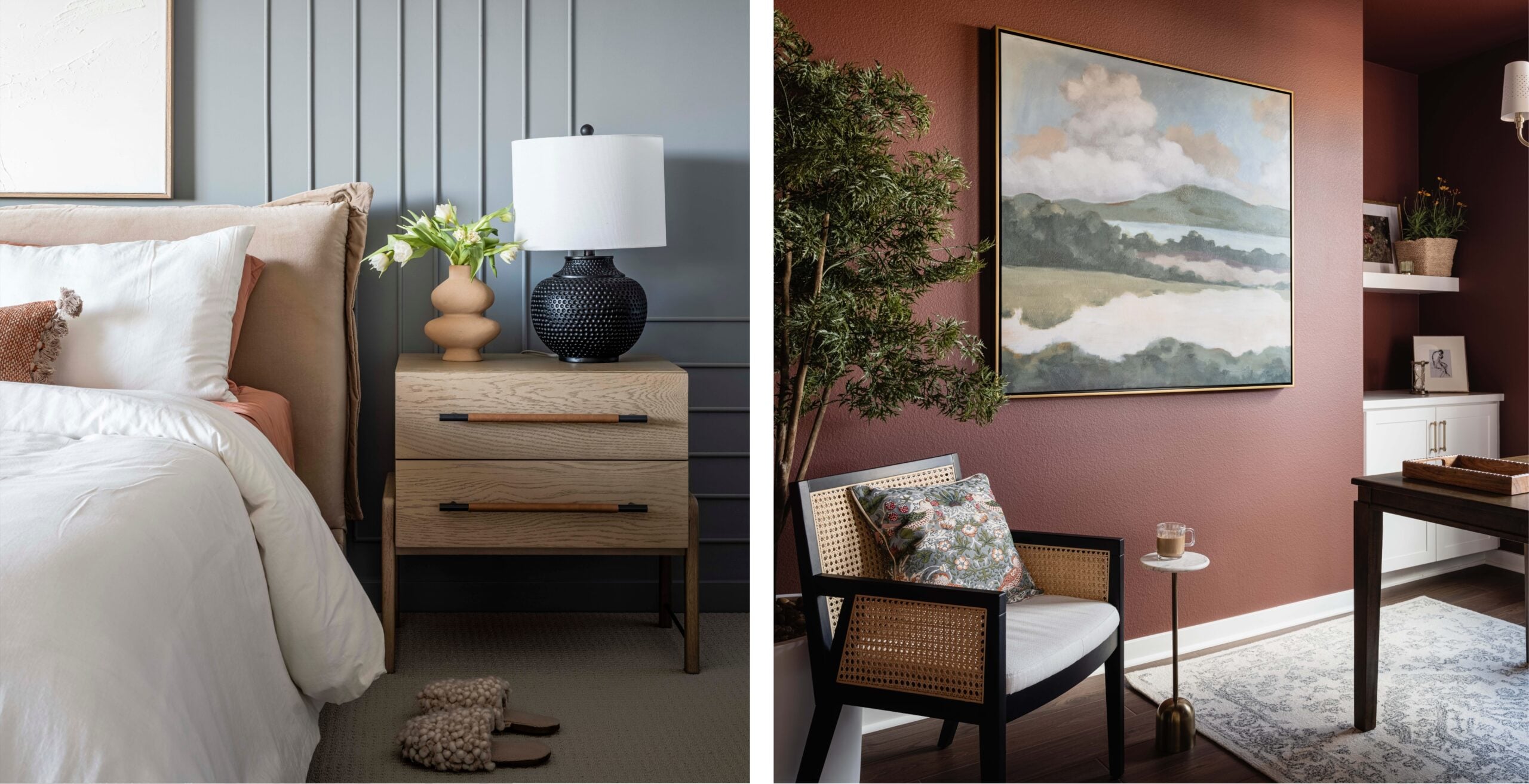
Photo: Sara Ligorria Tramp
How To Match Plants To Your Home’s Light
Read the Light By Window Direction
This right here is the real cheat code, the thing that makes it all click. Which direction a window faces tells you almost everything you need to know about the quality and intensity of light it provides throughout the day.
North-facing windows generally offer the lowest, gentlest light conditions, with little to no direct sunlight at all. At most, you’ll get soft, diffused, gentle light. So choose plants here that genuinely thrive in and are used to lower-light conditions.
East-facing windows are where you watch the sun rise. That morning light is technically direct, but it tends to be soft and forgiving, so plants that love indirect light can usually tolerate it just fine. Most intense in the morning hours.
West-facing windows are where you watch the sun set. As the day progresses, this light gets more and more intense, becoming quite strong by late afternoon, so keep a close eye on which plants are receiving that powerful midday-to-evening sun. Most intense in the afternoon.
South-facing windows are the absolute champions, pulling in the most daylight of any direction in the house. You’ll get a generous mix of both direct and bright indirect light, with solid indirect light reaching even deeper into the room. Most intense from late morning straight through mid-afternoon.
Once you actually know your light, room by room and window by window, you can finally shop for plants that will genuinely thrive in your home rather than merely cling to survival. And a few simple tools help you give every plant the right conditions wherever you decide to place it.

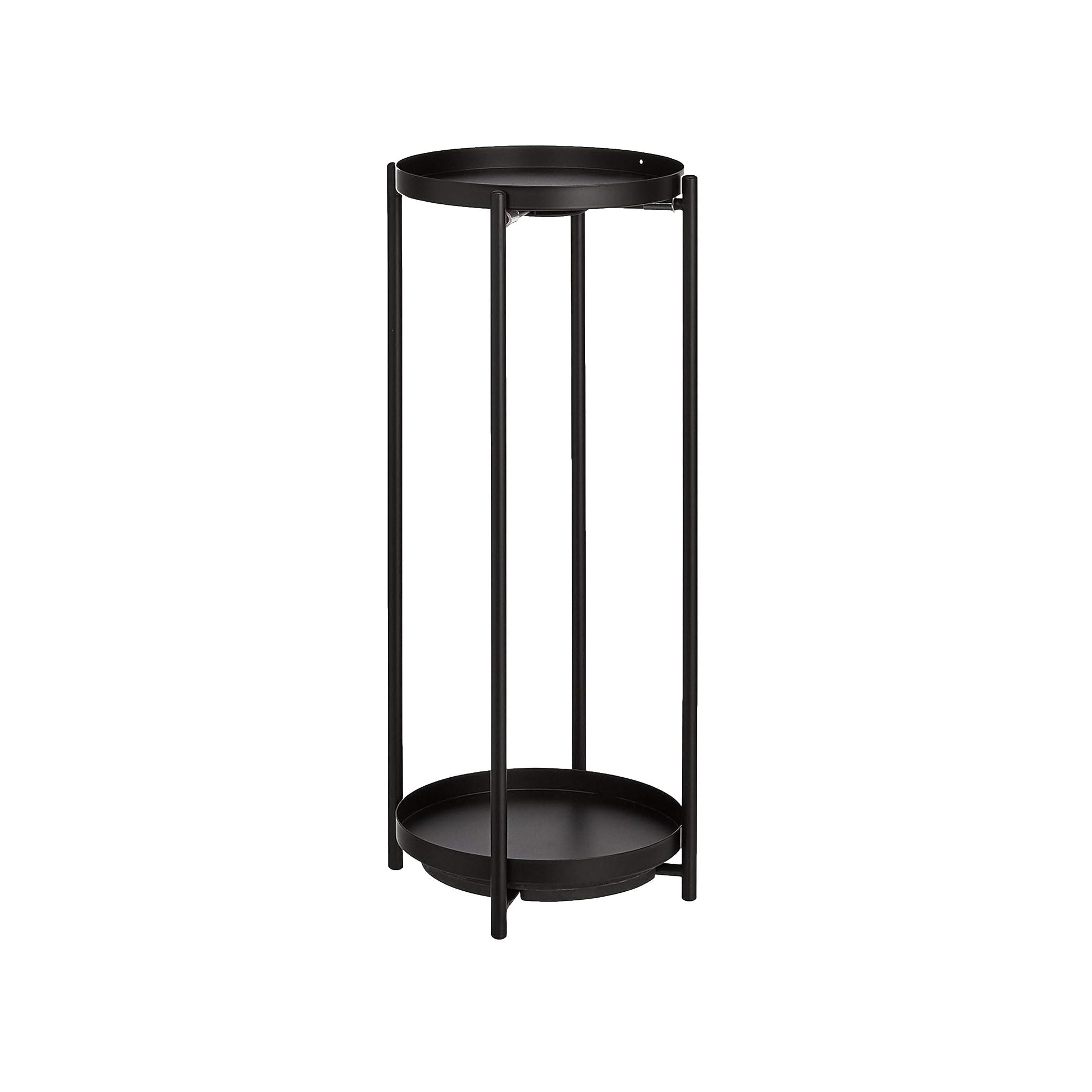
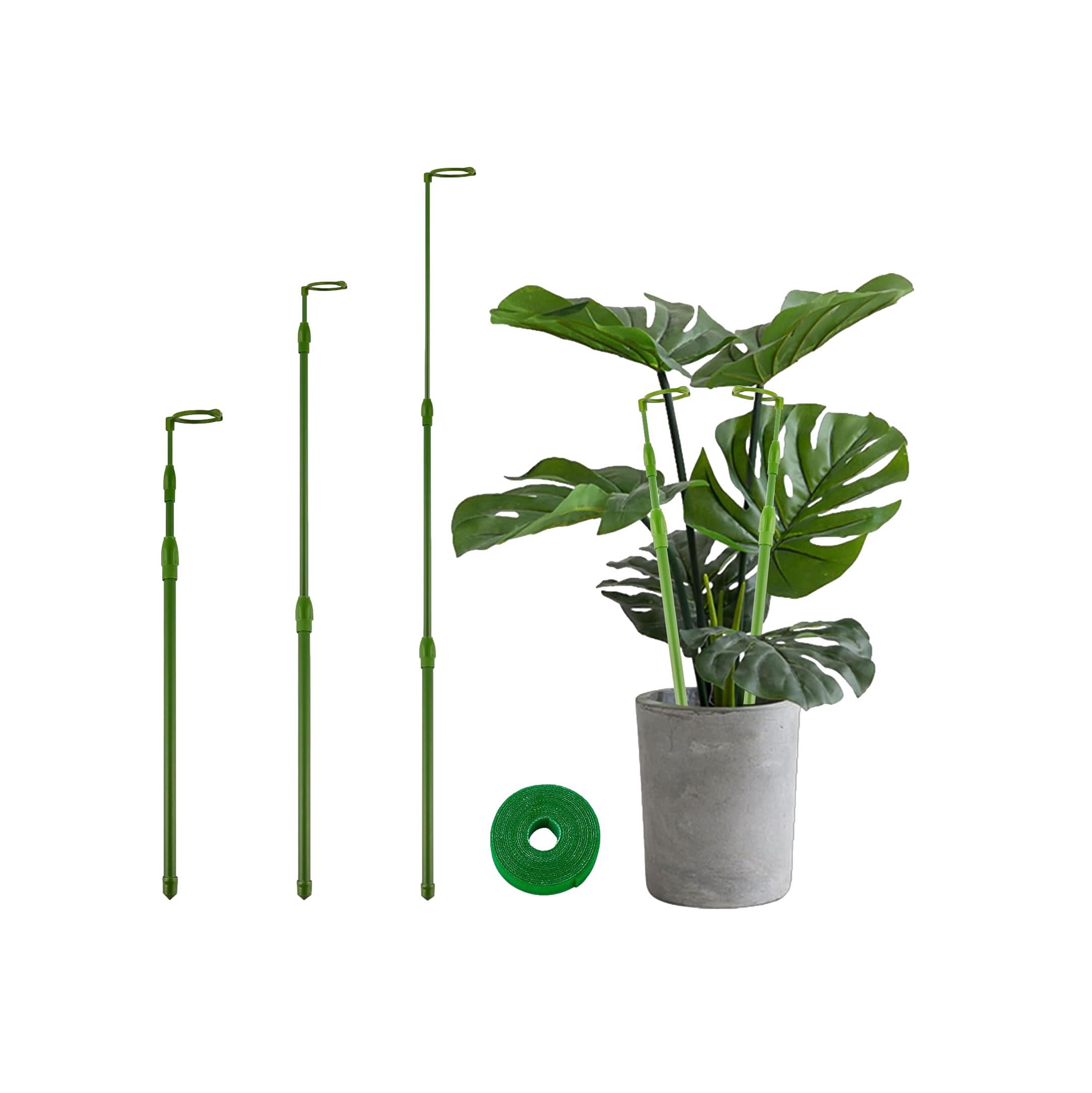
“Your plants will genuinely tell you whether they’re happy where you’ve put them, so don’t ever be afraid to move one and just watch what happens next. If a plant starts stretching and reaching, it’s telling you it wants more light, so move it brighter.”
How To Match Plants To Your Home’s Light
The Bottom Line
Your plants aren’t dying because you’re secretly bad at this whole thing. They’re usually dying simply because they’re in the wrong light, and most homes have considerably less good light than they appear to at first glance. So learn the full range from no light to full sun, read your windows by the direction they face, and place each individual plant exactly where its real needs match what your home can actually offer. Then watch how they respond and adjust accordingly. Get the light right, and suddenly you’re the person whose plants thrive, no magic green thumb required at all.
This article is adapted from my book, Right at Home: How Good Design Is Good for Your Mind. For the full deep dive, including room-by-room guides and interactive workbook activities, grab your copy HERE.