Why Is My Plant Dying? The Five Signs and How to Fix Them

Why is my plant dying? There is definitely an explanation, because plants don’t decline at random. They communicate. The problem is that most people read the symptoms backwards or incorrectly.
Yellow lower leaves? Almost always overwatering, not under. White crust on the soil? Not mold, mineral buildup. Roots growing out the drainage hole? Time to act, not time to fertilize.
This is a triage guide. I’ll teach you to diagnose the symptom, apply the fix, and bring your plant back to life.
For more plant tips, check out: Best Air-Purifying Plants That Actually Work (and Are Hard to Kill), and The 9 Easiest House Plants To Take Care Of.

why is my plant dying?
1. Yellow Leaves
What it usually is: overwatering.
What people think it is: underwatering, so they water more, and the plant dies faster.
Here’s the logic. When roots sit in wet soil too long, they suffocate and start to rot. Rotting roots can’t deliver water to the leaves. The leaves wilt and yellow even though the soil is wet. Your instinct says “the leaves look thirsty, water it.” That makes the problem worse.
The fix: stick your finger an inch into the soil. If it comes out moist, stop watering. Wait until the top two inches are dry. If the pot has no drainage hole, that’s the real problem. Repot into a pot that drains.

why is my plant dying?
2. Brown, Crisp Leaf Tips
What it usually is: low humidity or fertilizer burn.
Low humidity is the most common cause in dry climates and in winter when heating dries the air. The leaf edges go brown and crisp while the rest of the leaf looks fine. Fertilizer burn looks similar but tends to be more uniform around the edges. If you fertilized recently and this showed up, that’s your answer.
The fix for humidity: a small humidifier near the plants, or group plants together so they create their own micro-climate. Misting helps for about 20 minutes, then evaporates.
The fix for fertilizer burn: flush the soil. Run water through the pot until it pours out the bottom for a full minute. Don’t fertilize again for six weeks.

why is my plant dying?
3. Roots Circling Pot or Growing Out Drainage Hole
This one is unambiguous. Your plant is root-bound. Time to repot.
How to repot without killing the plant:
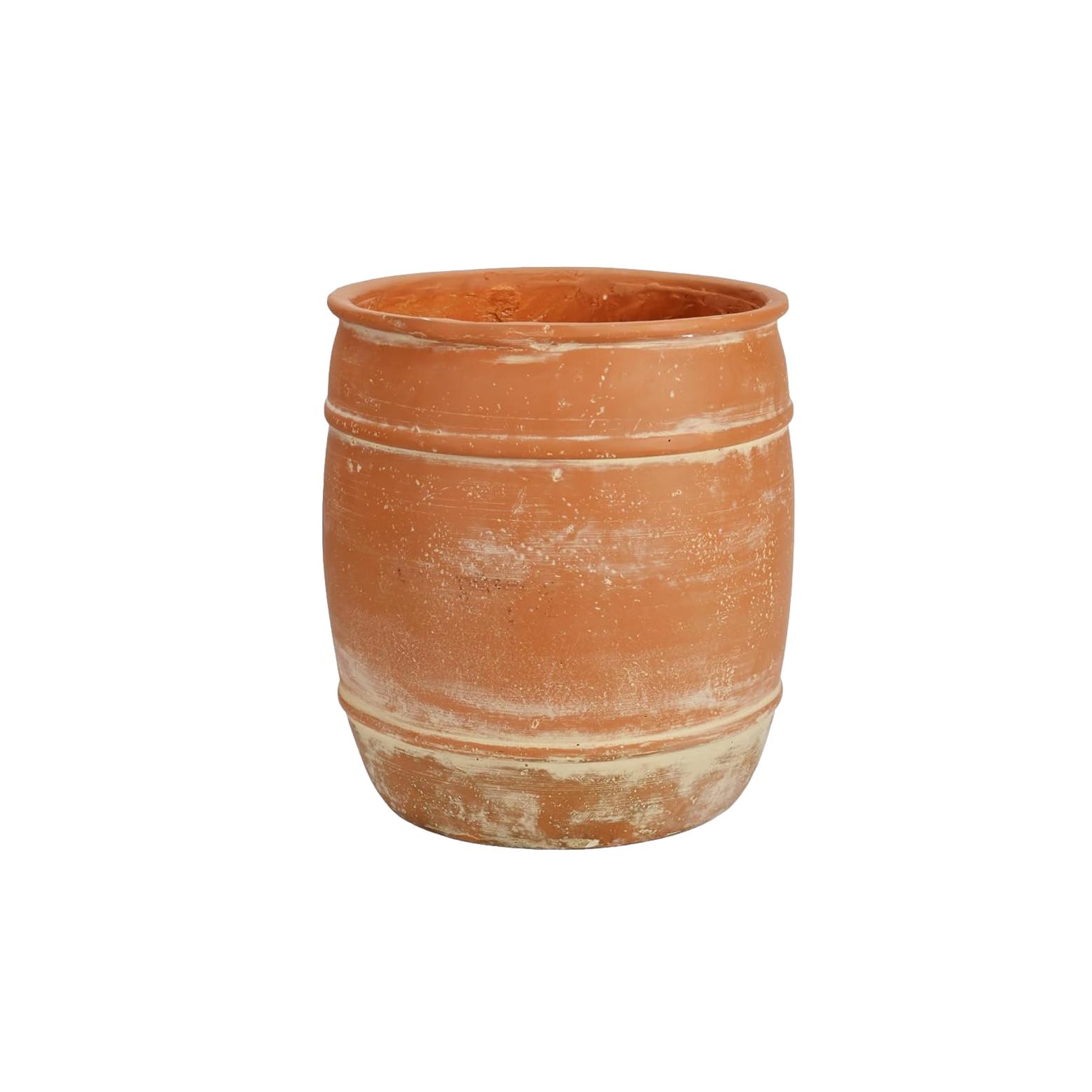
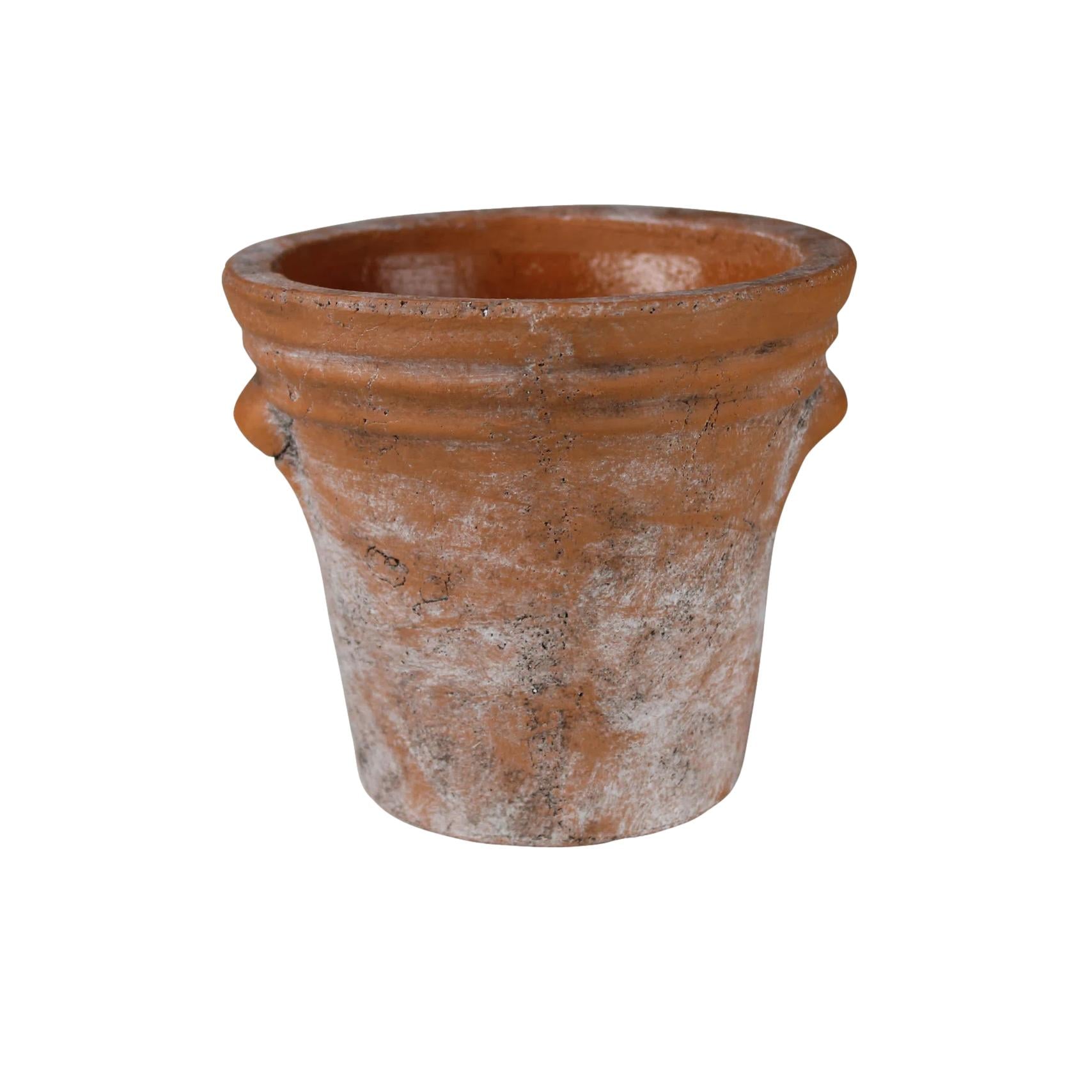
1. Choose a pot one or two inches larger in diameter. Not bigger.
2. Water the plant the day before so the roots aren’t dry.
3. Squeeze the sides of the current pot to loosen the root ball.
4. Tip the plant out sideways, supporting the stem. Don’t pull straight up.
5. Gently loosen the outer roots with your fingers. If they’re a solid mat, slice them vertically in three places with a clean knife.
6. Put a layer of fresh potting mix in the new pot, settle the root ball, fill around the sides, and press lightly.
7. Water thoroughly. Don’t fertilize for a month.



why is my plant dying?
4. Leaning Towards A Window
What it usually is: not enough light, plant is reaching.
Rotating the plant a quarter turn each week prevents lopsided growth, but it doesn’t fix the underlying issue. If the plant is leaning aggressively, it needs more light, not just a different angle.
The fix: move it closer to the window, or to a brighter window. If your only option is a low-light spot, choose a plant that tolerates it. Snake plants, ZZ plants, pothos. Don’t put a fiddle leaf fig in a dim corner and expect a different outcome.

why is my plant dying?
5. White Crust on Soil Surface
What it usually is: mineral buildup from tap water or fertilizer salts.
This is harmless to look at but can affect the plant’s ability to take up water and nutrients.
The fix: flush the soil. Take the plant to the sink, run water through it slowly until it pours out the bottom for a solid minute or two. Repeat once a month if you’re using hard tap water. If you can use filtered or rainwater, even better. If the crust comes back constantly, repot with fresh soil and start over.
why is my plant dying?
The New Plant Rule
The single most important rule, and the one nobody tells you: don’t repot a new plant for at least a month after you bring it home.
The plant just survived a nursery, a truck, a store, and your car. It needs to acclimate to the light, temperature, and humidity of your house before you stress it further with a transplant.
Even if the pot looks small. Wait. The exception: if the pot has no drainage hole, repot immediately. A drowning plant beats an acclimating plant.