Your Home Is Designed to Hold You Back (Here’s How to Fix It)

There’s a myth I want to put to bed once and for all, and it’s one that has quietly kept a lot of good people from ever loving where they live. The myth goes like this: interior design is a luxury for the one percent. Something rich people hire out to make their already-gorgeous homes even more gorgeous. Not for regular folks with regular budgets and regular-sized rooms.
Take that idea and throw it straight in the trash. Design is for everyone, and the most important design client you will ever have isn’t a celebrity or anyone with a bottomless renovation budget. It’s you. So much of what I teach requires little to no money, because good design, like happiness, doesn’t come from making huge purchases. The ultimate litmus test for good design is simply whether or not it works for and serves you.
So let’s discover the keys to home design for mental wellness and creating a space that pushes you forward instead of holding you back.
Learn more design insights from my book, Right at Home, including Why You Don’t Need to Know Your Design Style, Before You Buy Anything For Your Home, Ask Yourself This Question, and Function: The One Rule Behind Every Good Design Decision.
home design for mental wellness
Why You’re the Client Who Matters Most
When I design for someone, my real job isn’t to show up and impose my taste. It’s to climb inside their head and make the choices they’d make themselves if they had the time, the training, and the confidence to trust their own gut. I’m taking my cues from them, always, so the space serves their passions, their routines, the exact way they move through a day.
So when I say you are your own most important client, I mean it literally. Nobody on earth knows your life better than you do. Nobody else is there for the 6 a.m. coffee, the Tuesday-night exhaustion, the way you curl up in exactly one corner of the couch with exactly one blanket. You have intel no designer could gather in a hundred consultations. And out of every client I’ve worked with, on Queer Eye and off it, you know whose testimony I find most powerful? Yours. The person reading this, trying one small change, feeling the difference.

Photo: Kara Mercer
home design for mental wellness
Design Should Move You Toward Your Goals
Here’s an idea that took my own work to a deeper place, and it’s backed by real research. Studies show that when you feel you’re making progress toward a goal, you’re actually happier. That seems intuitive, but here’s the twist: humans are genuinely bad at predicting what will make us happy. We assume reaching the mountaintop will do it. “When I get the promotion, I’ll be happy.” “When I become a homeowner, I’ll be happy.” As one psychologist writing in Psychology Today put it, happiness is a fast-moving target, and we routinely misforecast what will bring it and how long it’ll last.
What actually enhances your wellbeing is the chase, the act of pursuing goals that mean something to you, and the dopamine hit intensifies when you hit the smaller milestones along the way. To the extent that we’re making progress on our goals, we’re happier and more satisfied with our lives.
Forward momentum is the real goal, and design is a powerful way to facilitate it. I think of it this way: good design should put gas in your tank, not block the exhaust pipe. When you set up a space that encourages and promotes action toward a meaningful goal, you clear the path forward, and good design genuinely has the power to remove blockages in your life. I’ve watched it happen countless times, and it never gets old.
home design for mental wellness
Design Isn’t an Extra, It’s Care
Somewhere along the line, we picked up the idea that thoughtfully setting up your home is a frivolous expense, a nice-to-have you’ll get to someday. It’s the opposite. Think about how much of your one life you spend inside these walls: the light you wake to, the chair you sink into after a brutal day, the clutter or calm that greets you at the door. All of it lands on your nervous system, hour after hour, whether you notice or not.
A home set up to support you is quietly working on your behalf every hour you’re in it. A home that fights you is draining you the same way, just in the wrong direction. That’s not frivolous. That’s foundational, and investing in your mental wellness, the one thing that affects every other part of your life, is undoubtedly one of the best decisions you’ll ever make.
For even more info on how design makes you happy and much more, check out my book, Right at Home.
home design for mental wellness
A Gentle Word on Grief
I want to touch on something tender here, because your home is often the very first place where grief becomes visible, even if that’s easier to see from the outside looking in. Common symptoms of grieving, general neglect, an accumulation of unused items, and an inability to keep up with basic cleaning and order tend to develop quietly and subconsciously. For grief and for so many other states, your home becomes a mirror of your inner life without your ever realizing it.
I’ve learned that I’m in a privileged position to gently help people through part of that process during a redesign. The tough, loving truth I sometimes help people face is that staying inside grief that’s now showing up as dysfunction and disarray isn’t actually honoring the wishes of the person they lost. Here’s a rule of thumb I use: if an object brings pangs of sadness and nostalgia but you can still move forward, it’s helping you heal. If it rips the wound back open every time it’s in your line of sight, the current setup may be keeping you stuck. Something as simple as curating a photo gallery and giving it one dedicated spot, a wall, a shelf, lets you commemorate a loved one beautifully while keeping the rest of your home optimized for your future. That first small step is hard, but it moves you toward healing, which is the truest way to honor the people you love.
“Treat your rooms like employees. Each one has a job and should be evaluated against its job description. When a room performs, give it a raise. When it sits there pretty but useless, or actively makes your life harder, you don’t just tolerate it the way you never would an employee who made everything worse.”
home design for mental wellness
Change Can Be Affordable
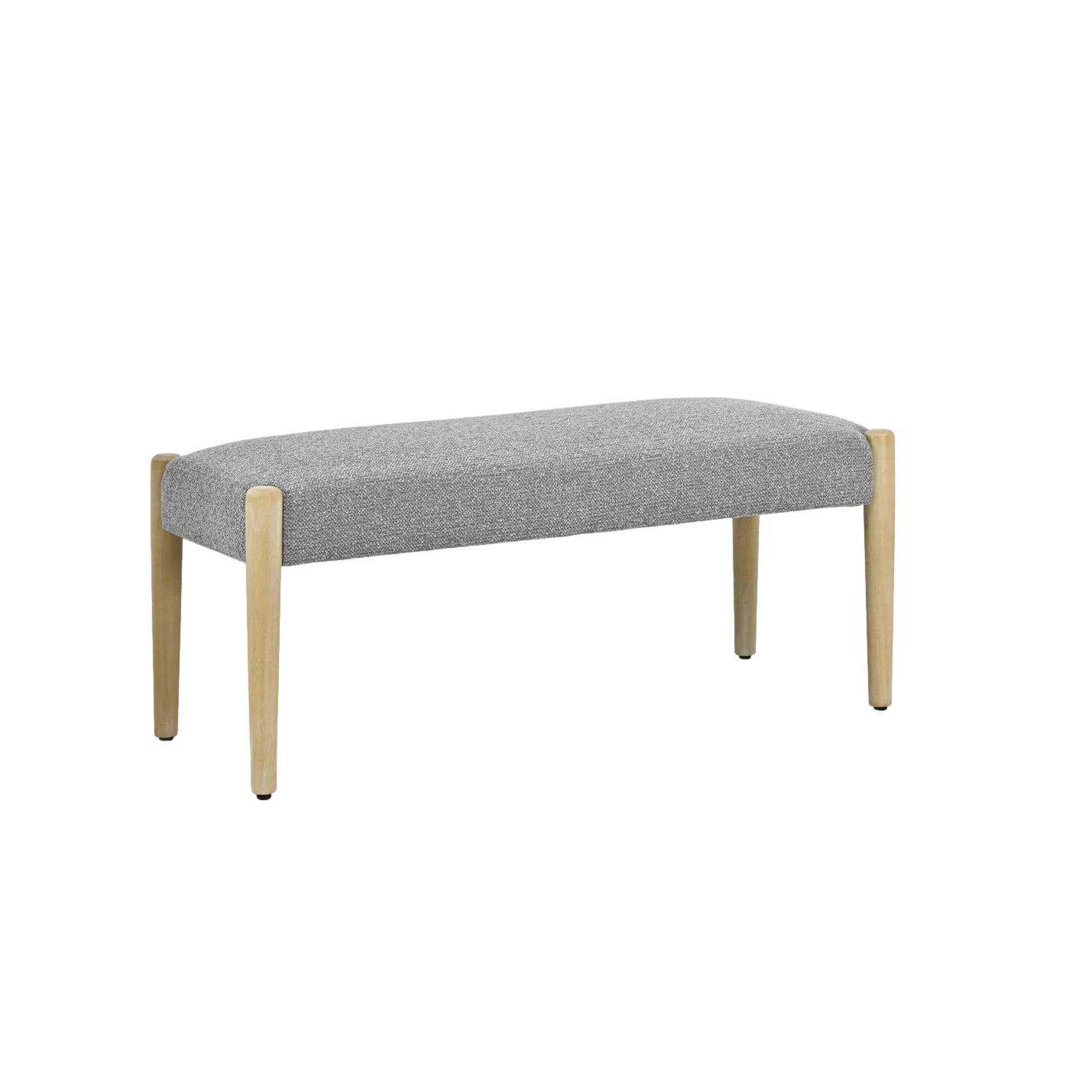
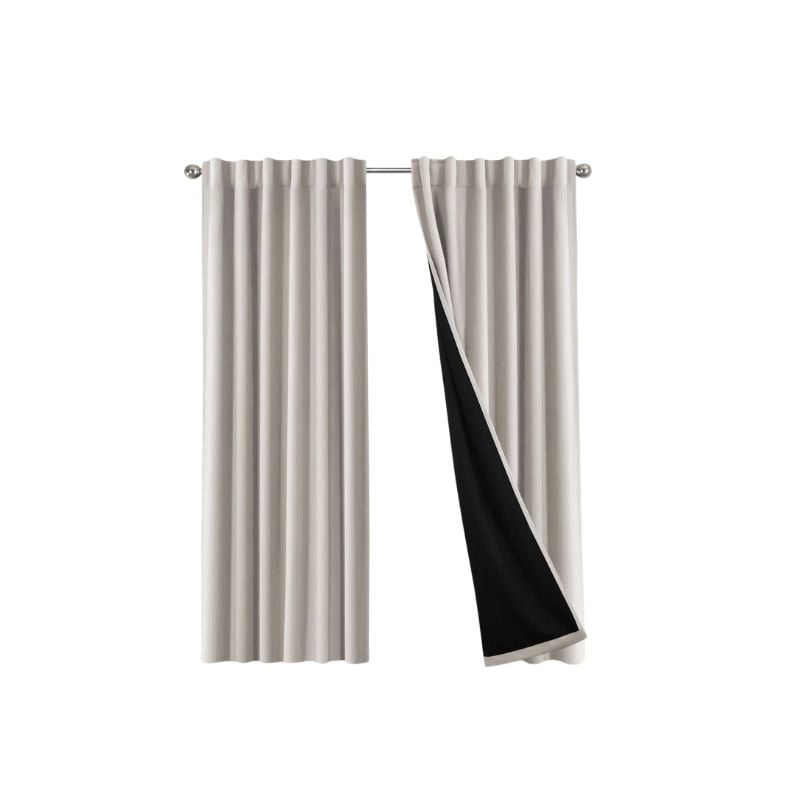
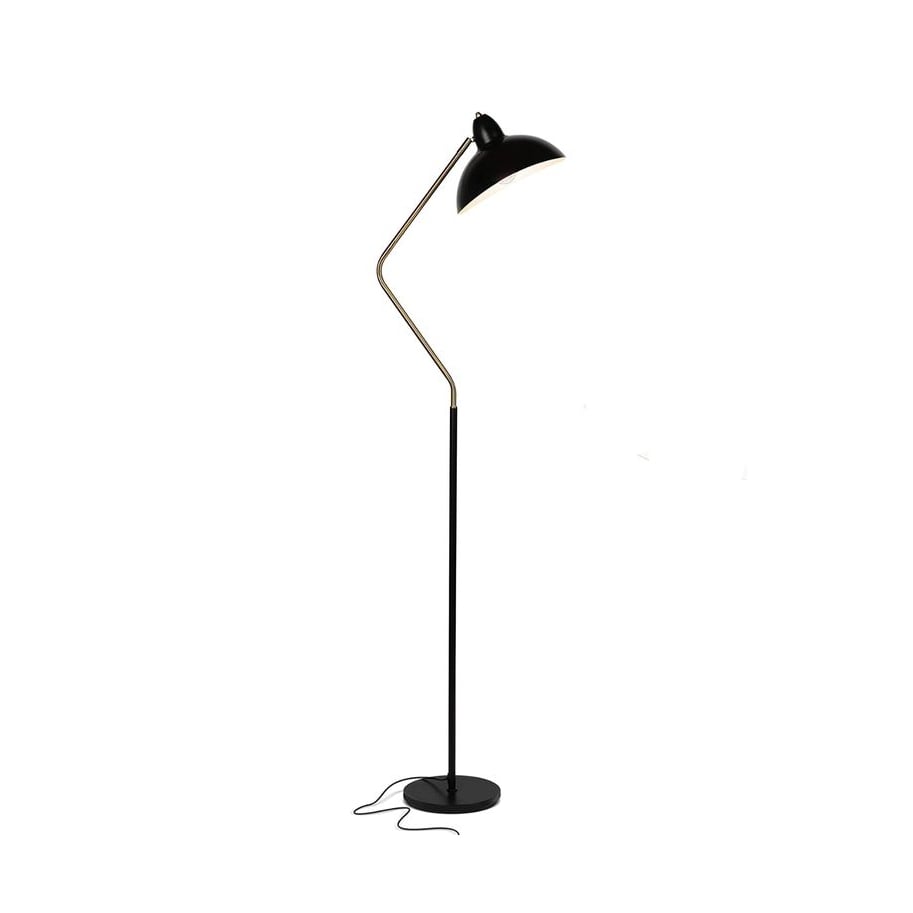
Let me show you how affordable real, felt change can be. That entryway that stresses you out every morning, where shoes pile up, and you can never find your keys? A $60 bench and a $25 set of hooks turn chaos into a calm landing pad. The bedroom that won’t let you sleep? A $30 set of blackout curtains can change your nights, and therefore your days. The dead corner of the living room? A $35 floor lamp and one plant under $20 bring it back to life.
None of that needs a contractor, a permit, or a trust fund. It needs you to notice what isn’t working and make one small, smart move. And often the best move costs nothing at all. It’s just rearranging what you already own so it finally serves you instead of cluttering you.

home design for mental wellness
The Bottom Line
You don’t need a fortune, and you don’t need anyone’s permission. You need to believe you’re worth designing for, because you are. Treat yourself like the most important client you’ll ever have, since to your own mental wellness, that’s exactly who you are. Design around what you love and for the life you want; let your home put gas in your tank and clear the blockages in your path, and remember the only test that matters: does it work for and serve you? Design is for everyone, no exceptions, no income requirement. That includes you, starting today, starting with one small thing.
This article is adapted from my book, Right at Home: How Good Design Is Good for Your Mind. For the full deep dive, including room-by-room guides and interactive workbook activities, grab your copy here.