How to Organize Your Fridge: 6 Expert Tips for Every Shelf, Drawer & Door

There are lots of areas to tackle organization-wise in your home, but there’s one that might not be quite so obvious (and can make a big difference in your daily routine and your meals). It’s time to head into the kitchen and learn how to organize your fridge – and the 6 effective tips to make it happen!
For an effective way to get your fridge organized, just follow these 6 steps. No matter how big or small your fridge may be (or how big or small your household is), these tips will work for you – and save you time when searching for foods or knowing what you’ve run out of before you head to the grocery store! So let’s learn how to organize your fridge!
For more organization tips, check out How to Declutter Your Home: 4 Simple (and Free) Organization Tips and 3 Things, 10 Minutes: The Easy Way To Get Organized.
ORGANIZE YOUR FRIDGE
How To Organize Your Fridge

1. Give it a Deep Cleaning
Before any organization can occur, you’ll want to give your fridge a thorough once-over. Remove all contents, take out all the drawers and compartments, and wipe down all the surfaces with a multipurpose cleaning solution and soft cloth. For any stuck-on stains or residue, try using Goo Gone to easily loosen. You will also want to toss any expired food items while you’re at it! Once it is spic-and-span, follow steps 2-6 when you begin to add items back in.
2. Group Like Items Together
Start by grouping all like items together into categories in the fridge. Veggies, fruits, dairy, meats, cheeses, snacks, and condiments should all have a designated area where they are always kept. By sticking to these spots for all items in the fridge, you will also always know what you have – and what you need to stock up on on your next trip to the grocery store.

3. Make the Most Used Items Easily Accessible
The items you use and eat most often should always be easily accessible, towards the front of the fridge, and ideally at eye level. Common things like eggs, milk, butter, or beverages should always be easy to grab. Keep in mind that you can also adjust the interior shelves to make your fridge layout work better for you.
4. Place Food Items in Storage Containers
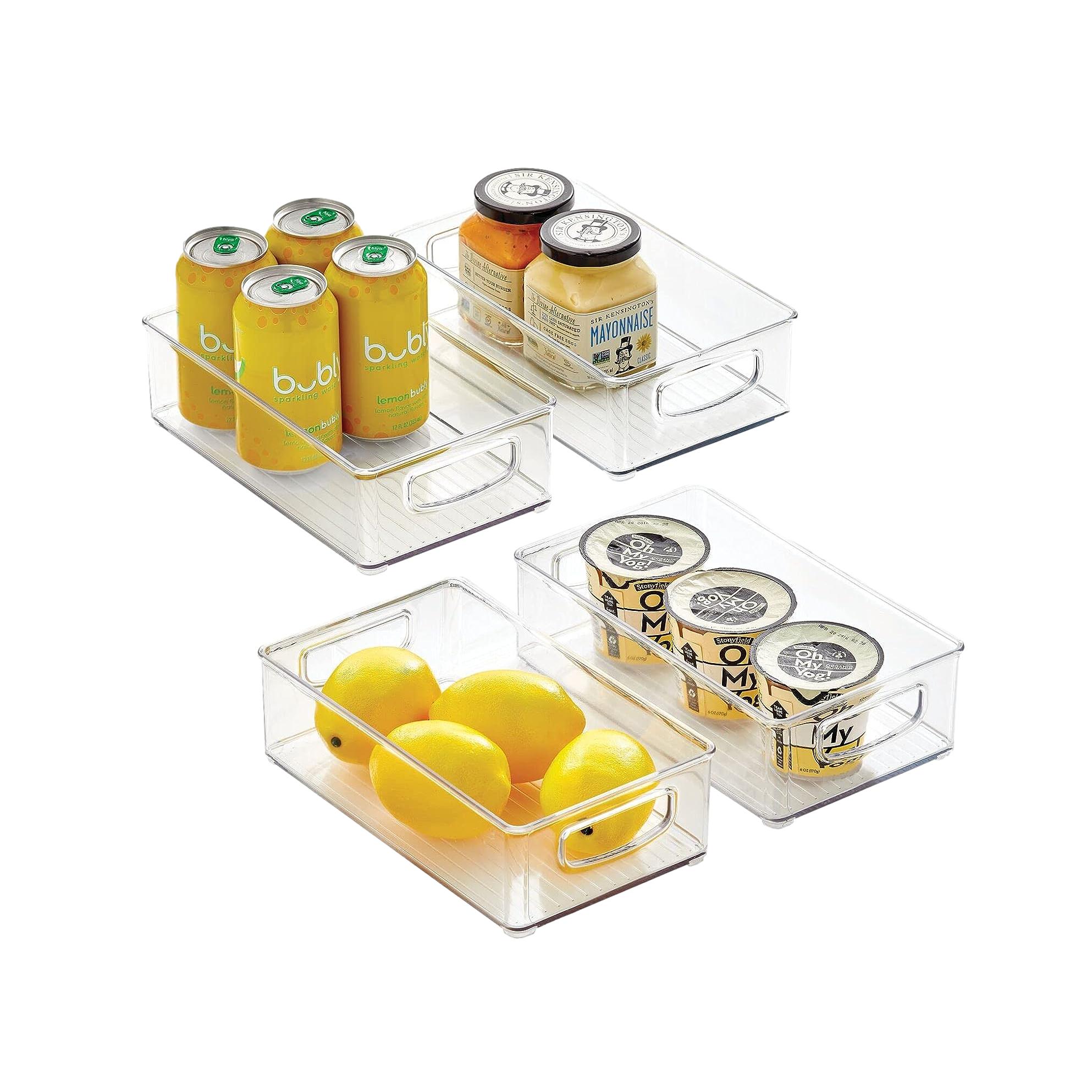
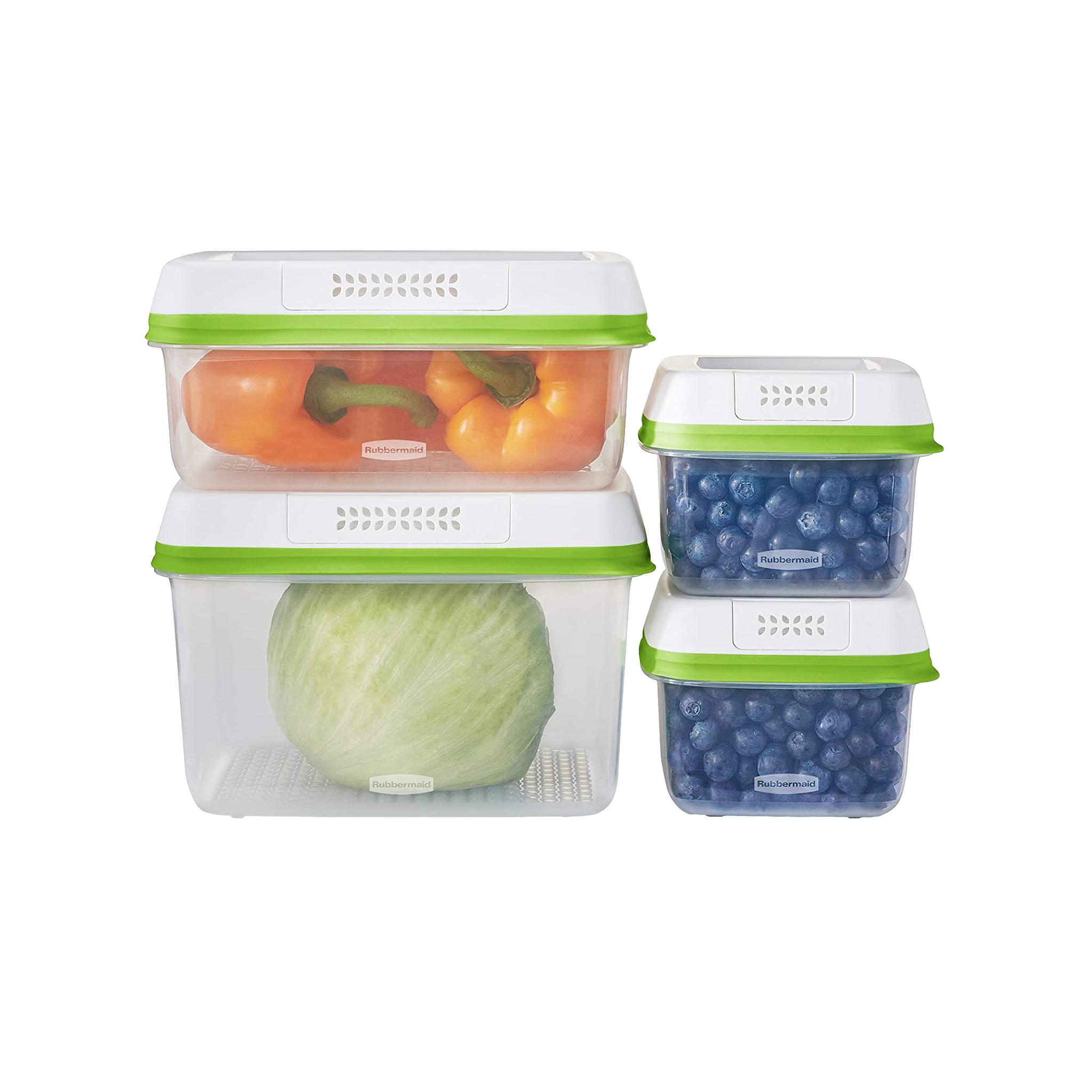
Often, it makes more sense to keep food items in their containers. However, certain items can be more efficiently kept when removed from their packaging and placed in clear storage containers. This applies to canned beverages, snack items, yogurt, and any single-serving product. Fruits and vegetables can also be stored in clear containers to keep them fresh.

5. Use a Rotating Organizer
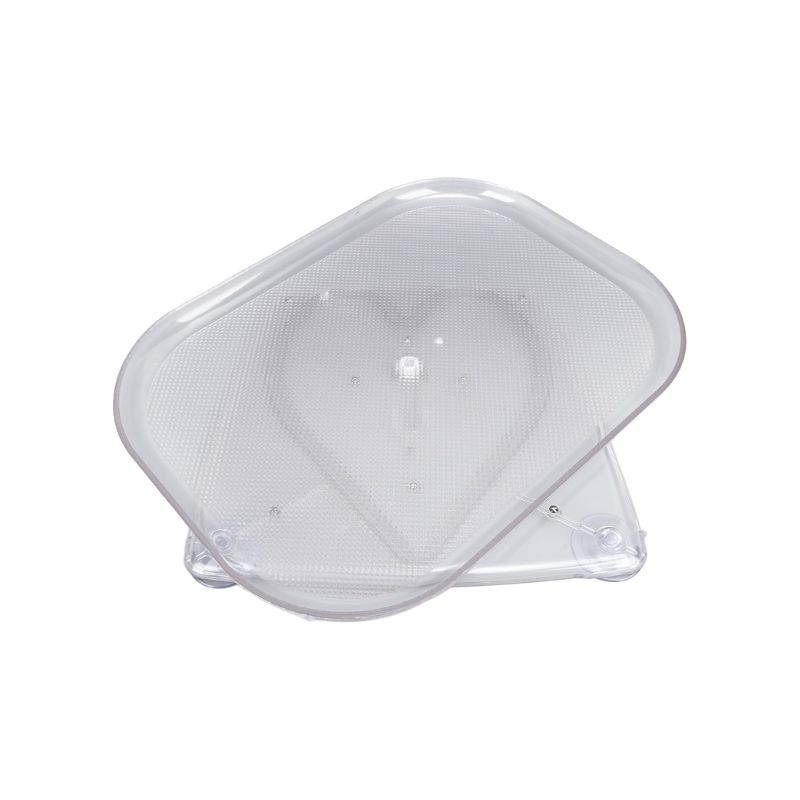
For a clever way to keep small bottles and containers readily available, add a rotating lazy susan to one of your shelves. It’s an ideal way to organize condiments if you don’t have enough room in your doors, and because it spins, you can just give it a spin to find whatever you are looking for.
6. Add an “Eat First” Area
Want to cut back on food waste? Create an area of the fridge that is designated as “eat first”. Here is where you can place any items that have a time-sensitive expiration date or are about to go bad, to let your entire household know that they need to be consumed ASAP!
ORGANIZE YOUR FRIDGE
Frequently Asked Questions
How often should you clean out your fridge?
Aim for a full clean-out every three to four months, but do a quick scan weekly to toss expired items and wipe up spills. A regular routine prevents buildup, keeps odors at bay, and makes your deeper seasonal cleanings much faster.
What is the best temperature for a refrigerator?
The FDA recommends keeping your fridge at or below 40°F (4°C). The sweet spot for most households is between 35°F and 38°F – cold enough to slow bacterial growth, but not so cold that your produce freezes. Consider placing a small appliance thermometer inside if your fridge doesn’t have a digital readout.
Should eggs go on the Door or the Shelf?
Always store eggs on a middle or lower shelf, not the door. The door is the warmest part of the fridge because it’s exposed to room temperature every time you open it. Eggs stay fresher longer when kept at a consistent, cooler temperature toward the back of a shelf.
What is the Best Way to Store Fruits and Vegetables in the Fridge?
Use your crisper drawers — most fridges have two, one for fruits and one for vegetables, with different humidity settings. Keep fruits in the low-humidity drawer and vegetables in the high-humidity drawer. Store them separately because many fruits release ethylene gas, which causes vegetables to spoil faster. Clear containers can also help you see what you have and reduce waste.